
Why Does an Air Circuit Breaker Protection Relay Trip?
An air circuit breaker can trip without warning, leaving a production line silent or a building panel suddenly dark. The air circuit breaker protection relay monitors electrical conditions and signals the breaker to open when measured values exceed configured limits. A trip is a protective response, not proof that the relay itself has failed. The reason may lie in the circuit, the settings, or the device’s condition.
Common triggers include sustained overload, short-circuit current, ground fault, and undervoltage. A relay may also respond to incorrect settings, faulty current-transformer signals, loose connections, or a problem in the trip circuit. The details matter. A brief fault indicator, a recorded current value, or the timing of a trip can help narrow the possibilities. Small clues help.
This guide explains why an air circuit breaker protection relay trips and how to approach the investigation safely. It covers common relay functions, practical checks, and signs that call for qualified service. Begin with the breaker’s event records and manufacturer documentation; do not repeatedly reset a breaker while the cause remains unknown. Not every trip is easy to explain from one alarm, and assumptions can lead in the wrong direction. Electrical testing and adjustments should be performed by trained personnel using procedures suited to the specific equipment. A careful diagnosis protects people, equipment, and continuity of power.
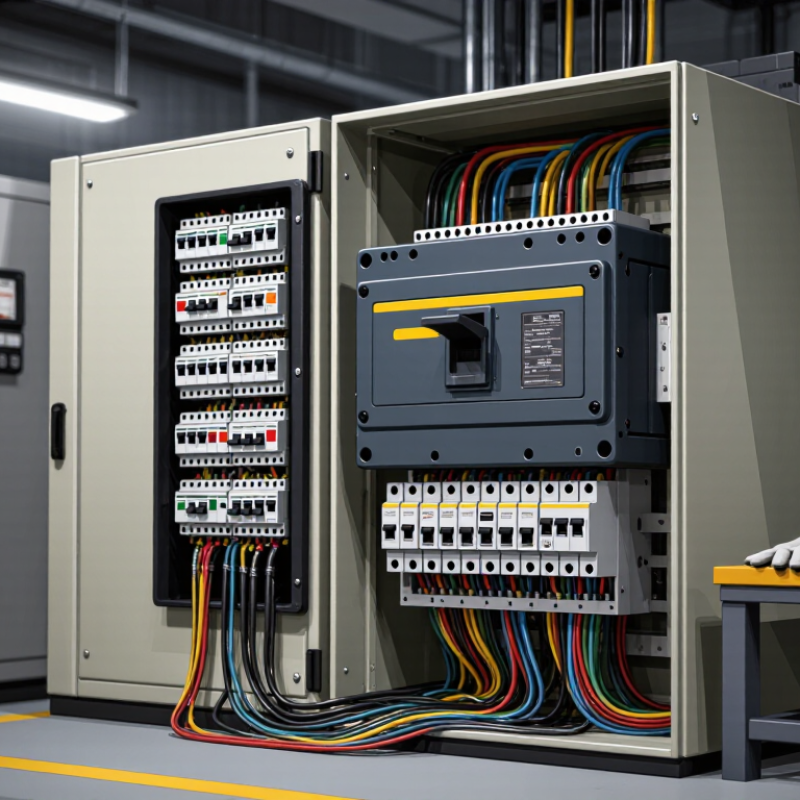
What an Air Circuit Breaker Protection Relay Does
An air circuit breaker protection relay monitors electrical conditions and decides when they exceed safe limits. Current transformers feed it measurements from the circuit. Depending on its design and settings, the relay can detect sustained overloads, sudden short circuits, or earth faults. Some units also monitor voltage or other conditions.
When the relay identifies a fault, it sends a trip signal to the breaker’s operating mechanism. The mechanism opens the contacts, interrupting current and helping protect cables and connected equipment. The relay does not physically break the circuit; the breaker contacts do that work. A trip may be appropriate, but it can also point to incorrect settings, a wiring issue, or a changing load. Diagnosis takes care. Even a familiar panel can surprise you.
Tips: Check the relay’s trip indication and event record before resetting the breaker. Compare the recorded fault with the equipment’s rated limits and protection settings. Never assume a reset has fixed the cause. Have a qualified electrical professional inspect repeated trips, and follow the equipment’s operating instructions.
Why Does an Air Circuit Breaker Protection Relay Trip? - What an Air Circuit Breaker Protection Relay Does
| Protection Function | What It Monitors | Typical Trip Condition | Common Reasons for a Trip | What to Check |
|---|---|---|---|---|
| Long-time overcurrent (L) | Phase current over time, using an inverse-time response. | Current exceeds the long-time pickup setting long enough for the configured delay. | Sustained overload, excessive motor or transformer load, or a downstream fault that persists. | Review phase-current records, load levels, equipment ratings, and the long-time pickup and delay settings. |
| Short-time overcurrent (S) | Moderate-to-high overcurrent over a short interval. | Current exceeds the short-time pickup and remains above it through the selected delay, if enabled. | A downstream short circuit, a temporary high-current event, or incorrect coordination with downstream protection. | Inspect fault records and downstream devices; confirm pickup, delay, and coordination against the approved study. |
| Instantaneous overcurrent (I) | Very high current, generally without an intentional time delay. | Current reaches or exceeds the instantaneous pickup level. | A close-in phase fault, a severe short circuit, or high inrush current that exceeds the setting. | Determine whether a fault occurred; check connected equipment and verify the pickup setting and inrush coordination. |
| Ground-fault protection (G) | Residual current or another configured indication of current flowing to ground. | Detected ground-fault current exceeds the pickup setting for the configured time. | Insulation failure, damaged wiring, moisture or contamination, or an unintended current path to ground. | Locate and isolate the affected circuit; inspect insulation and wiring, and verify sensor connections and settings. |
| Undervoltage release (if fitted) | Control or supply voltage at the release device. | Voltage falls below the release’s operating threshold, or its control supply is lost, depending on the design. | Supply interruption, control-circuit fault, loose connection, or voltage drop. | Check control-supply voltage, wiring, fuses, and the release device’s specified operating requirements. |
| External trip input or shunt trip | An external command from an interlock, emergency-stop circuit, or other control system. | The trip input is energized or the control system issues a trip command. | Operation of a safety circuit, interlock, fire-protection signal, or a control-circuit fault. | Review event logs and control-system status; trace the trip command before resetting the breaker. |
Note: Available functions and settings vary by breaker and protection unit. Always compare trip records and settings with the equipment documentation and the approved protection-coordination study. Identify and clear the cause before re-energizing.
Related Posts
-

What Is an Air Circuit Breaker Protection Relay?
-

Why Air Circuit Breaker Protection Relays Are Essential for Electrical Safety: Key Industry Insights
-
What is an Air Circuit Breaker Protection Relay?
-

Understanding Circuit Breaker Switch Types and Their Applications
-
Top Surge Protective Device Manufacturers Worldwide?
-

Ultimate Guide to ACB Breaker Selection and Maintenance for Optimal Performance


