Top 10 MCCB Breakers: Choosing the Best Circuit Protection Solutions
In the world of electrical engineering, selecting the right circuit protection solution is paramount to ensuring safety and efficiency. According to industry expert Dr. Alan Parsons, a renowned specialist in circuit protection technologies, "Choosing the right MCCB breaker is not just a matter of functionality; it's about safeguarding lives and property." This statement underscores the critical role that MCCB (Molded Case Circuit Breaker) devices play in modern electrical systems, acting as the first line of defense against overloads and short circuits.
As electrical systems become increasingly complex, the demand for reliable circuit protection solutions continues to rise. MCCB breakers are designed to detect electrical faults and interrupt the flow of electricity, preventing potential hazards such as fires and equipment damage. With numerous options on the market, selecting the best MCCB breaker can be a daunting task. Factors such as current rating, tripping characteristics, and environmental considerations are crucial in making an informed decision that best serves specific requirements.
This article delves into the Top 10 MCCB breakers available today, exploring their features, advantages, and suitability for various applications. By understanding the key attributes and options, professionals can make better choices to enhance their electrical systems' safety and reliability.
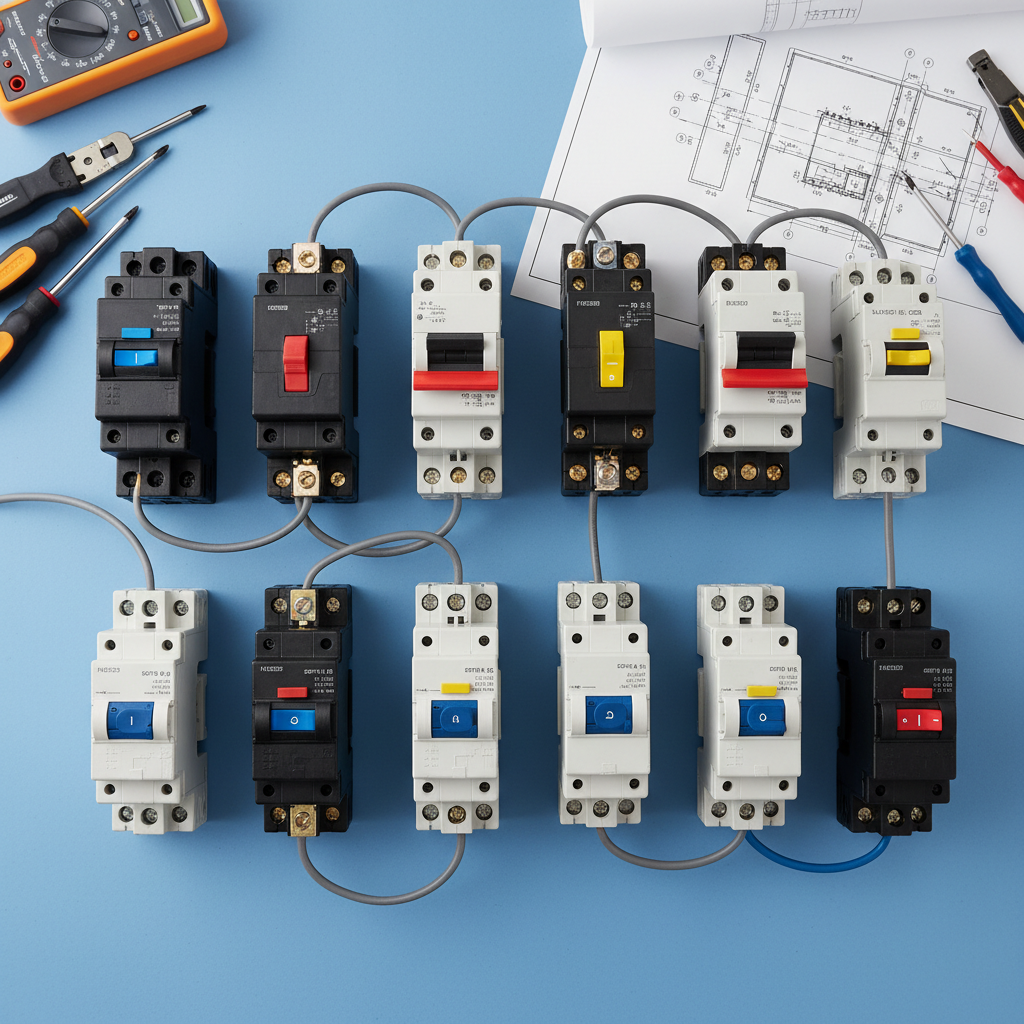
Understanding MCCB Breakers: Key Features and Benefits
Molded Case Circuit Breakers (MCCBs) are essential components in modern electrical systems, providing protection against overloads and short circuits. Understanding their key features is crucial for selecting the right breaker for your needs. Most MCCBs come equipped with thermal and magnetic trip mechanisms, which help distinguish between temporary surges in current and actual faults, ensuring that the circuit does not disconnect unnecessarily.
When choosing an MCCB, consider its current rating, which should be matched to your equipment's requirements. Another important feature is the breaking capacity, as it indicates the maximum fault current the breaker can interrupt safely. Additionally, look for options with adjustable settings, offering flexibility to adapt to different operating conditions.
Tips: Always assess the environment in which the MCCB will be installed. Factors such as temperature, humidity, and dust levels can influence the performance and lifespan of the circuit breaker. Regular maintenance checks can prevent unforeseen emergencies by ensuring that the breaker functions correctly. Lastly, consult manufacturer specifications to understand any additional features that may further enhance circuit protection and operational efficiency.
Top Considerations When Selecting the Right MCCB Breaker
When selecting the right Molded Case Circuit Breaker (MCCB), several key considerations come into play. Firstly, understanding the electrical characteristics of your application, including voltage ratings and current capacity, is critical. MCCBs are designed to handle specific loads, so it's vital to match the breaker with your circuit specifications to ensure optimal performance and prevent tripping.
Additionally, consider the environment where the MCCB will be installed. Factors such as temperature, humidity, and potential exposure to dust or chemicals can affect the longevity and effectiveness of the breaker. For example, certain MCCBs are better suited for harsh environments, featuring enclosures that offer protection against these adverse conditions.
Tips: Always check the MCCB’s interrupting capacity to ensure it can handle potential fault currents. Moreover, consider whether your system requires a selective coordination feature, which allows for the targeted disconnection of circuits without affecting the whole system, providing enhanced reliability in case of faults. Finally, don’t forget about the ease of maintenance; an accessible design can save time and effort in routine checks and any necessary repairs.
Comparing Leading Brands: Performance and Reliability Factors
When selecting the best moldable circuit breakers (MCCB), performance and reliability play critical roles in determining the right solution for your electrical system. Major brands like Schneider Electric, Eaton, and Siemens lead the market due to their commitment to quality and innovation. Schneider Electric is renowned for its advanced technology, offering MCCBs with high current ratings and extensive protection features. Their products often excel in environments requiring precision and durability, making them ideal for industrial applications.
On the other hand, Eaton is recognized for its user-friendly designs and robust performance metrics. Their MCCBs are engineered to handle various operational demands while ensuring minimal downtime. Siemens also stands out in this competitive landscape, known for its rigorous testing and certification processes, ensuring their breakers meet international standards for safety and performance. By carefully comparing these leading brands, one can make an informed decision that aligns with specific requirements, balancing factors such as load capacity, thermal characteristics, and fault protection capabilities.
Top 10 MCCB Breakers: Choosing the Best Circuit Protection Solutions
| Model |
Rated Current (A) |
Breaking Capacity (kA) |
Protection Type |
Trip Mechanism |
Price Range (USD) |
| Model A |
16 |
35 |
Thermal Magnetic |
Electromechanical |
70-90 |
| Model B |
32 |
50 |
Electronic |
Digital |
100-120 |
| Model C |
40 |
80 |
Thermal Magnetic |
Electromechanical |
90-110 |
| Model D |
63 |
100 |
Electronic |
Digital |
120-140 |
| Model E |
80 |
120 |
Thermal Magnetic |
Electromechanical |
150-170 |
| Model F |
100 |
150 |
Electronic |
Digital |
160-180 |
| Model G |
125 |
200 |
Thermal Magnetic |
Electromechanical |
180-200 |
| Model H |
150 |
250 |
Electronic |
Digital |
200-220 |
| Model I |
200 |
300 |
Thermal Magnetic |
Electromechanical |
250-270 |
| Model J |
250 |
400 |
Electronic |
Digital |
300-320 |
Installation and Maintenance Tips for Optimal MCCB Performance
When it comes to ensuring optimal performance from Molded Case Circuit Breakers (MCCBs), proper installation and maintenance are paramount. According to a report by the International Electrotechnical Commission (IEC), improper installation is responsible for approximately 30% of electrical failures in industrial settings. It is crucial to adhere to manufacturer guidelines during installation, including verifying that the selected MCCB matches the specific load requirements and environmental conditions. Factors such as ambient temperature, humidity, and potential exposure to dust can significantly impact the performance and lifespan of the breaker.
Regular maintenance is equally important to prevent unexpected outages and equipment failures. The Electrical Safety Foundation International (ESFI) emphasizes that routine inspections should be conducted every six months. This includes checking for signs of wear or damage, ensuring that connections are tight, and looking for any potential overheating issues. Additionally, updating the software in modern MCCBs, which often include smart features, can enhance their operational efficiency. Investing time in these practices not only extends the life of MCCBs but also contributes to overall safety in electrical systems, reducing the risk of fire and equipment damage.
Cost Analysis: Investing in Quality MCCB Breakers for Long-term Savings
When considering the investment in molded case circuit breakers (MCCBs), understanding the long-term cost benefits can significantly influence decision-making. According to a report by the International Electrotechnical Commission (IEC), investing in high-quality MCCBs not only enhances the reliability of electrical systems but can also lead to a reduction of up to 30% in maintenance costs over time. This is primarily because premium MCCBs are designed to withstand harsh operating conditions, which reduces the likelihood of failures and subsequent repair costs.
Moreover, a study from Frost & Sullivan highlights that the energy efficiency potential of MCCBs can yield savings of approximately 25% on energy bills. These advancements are often due to features like thermal-magnetic protection and integrated communication capabilities that allow for real-time monitoring and diagnostics. By choosing superior MCCB solutions, businesses can minimize not only their operational downtime but also their overall expenditure in the long run, aligning with the growing emphasis on sustainable practices in electrical management. Thus, investing in quality MCCBs emerges as a strategic financial decision, ensuring substantial savings while safeguarding electrical infrastructure.
Cost Analysis of Top 10 MCCB Breakers
This chart displays the comparative cost of the top 10 MCCB breakers along with their rated current capacity (A). The analysis helps in understanding the investment needed for quality circuit protection solutions.