10 Essential Tips for Choosing the Right Home Circuit Breaker?
Choosing the right home circuit breaker is crucial for your safety and energy management. Circuit breakers protect your home from electrical overloads and prevent potential hazards. An inappropriate breaker can lead to serious risks, including fires. Understanding the various types, ratings, and features of a home circuit breaker is essential for homeowners.
When selecting a circuit breaker, consider your home’s electrical needs. Each appliance has its own power requirements. A mismatch can cause nuisance tripping or, worse, equipment damage. Seek expert advice if unsure about your options. Reliable information sources can guide you in making a sound decision.
Many ignore the importance of proper installation. A poorly installed breaker can compromise its effectiveness. Take the time to plan and consult professionals if needed. Reflecting on these aspects will help ensure your home is safe and energy-efficient. Your approach to choosing a home circuit breaker can make all the difference.
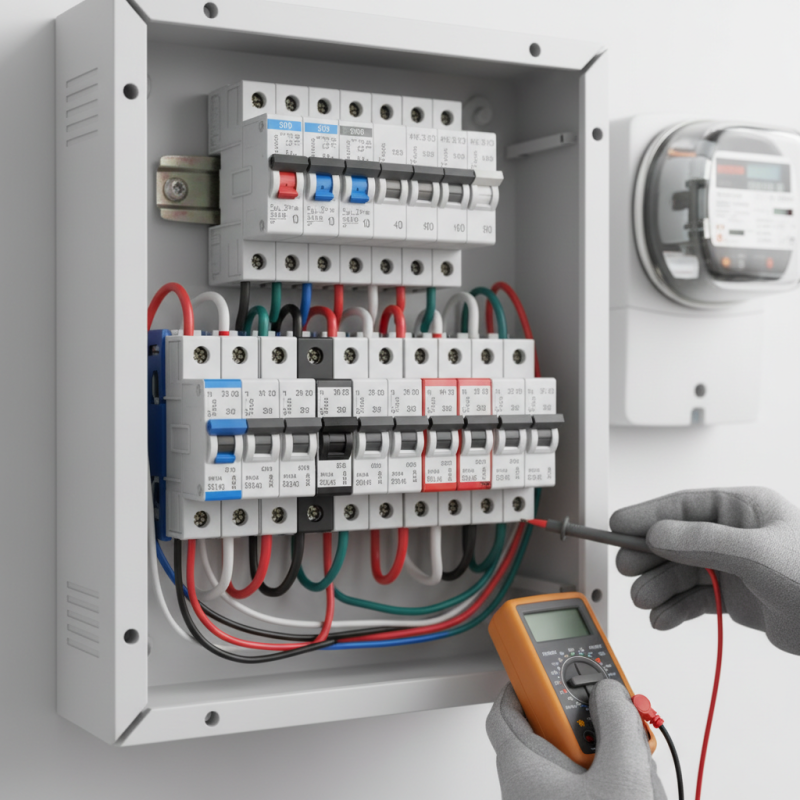
Understanding the Importance of Choosing the Right Circuit Breaker
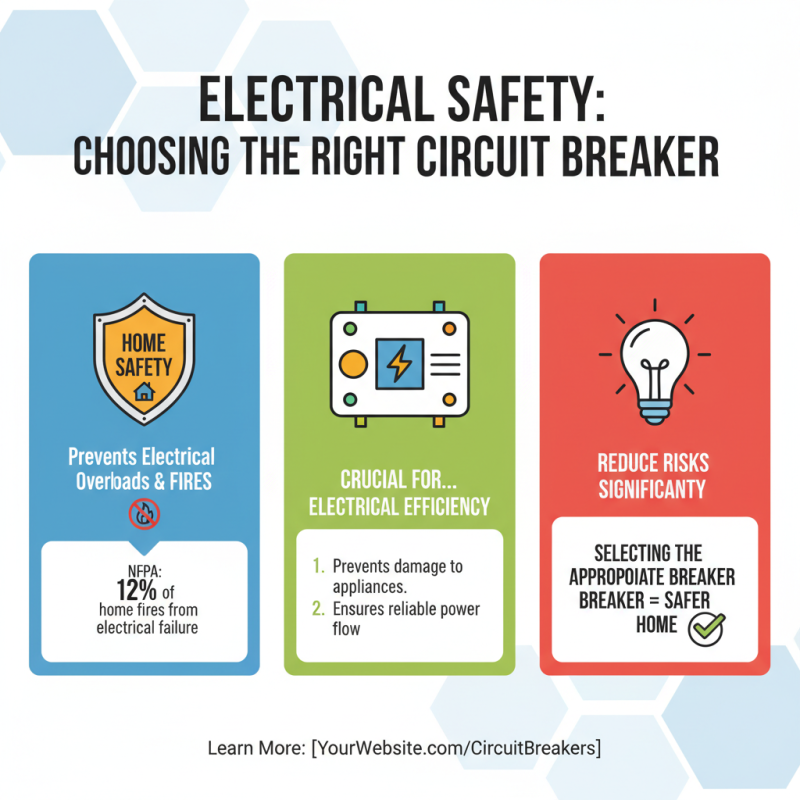
Choosing the right circuit breaker is crucial for home safety and electrical efficiency. Circuit breakers prevent electrical overloads and potential fires. In fact, the National Fire Protection Association (NFPA) highlights that electrical failures contribute to about 12% of home structure fires. Understanding the importance of selecting the appropriate breaker can significantly reduce these risks.
When considering circuit breakers, look at their ratings. A breaker’s ampacity should match your home's current demands. Load calculations are important. The average home requires approximately 200 amps for electrical service. For smaller homes, a 100-amp breaker may suffice. Always consult a professional electrician to evaluate your home’s specific needs and ensure compliance with local codes.
Consider the type of circuit breaker. There are standard, GFCI, and AFCI breakers. Each has its purpose. GFCI protects against ground faults, while AFCI guards against arc faults. Familiarize yourself with your electrical system layout. This knowledge empowers homeowners to make informed decisions. Regular inspections and timely upgrades can prevent costly damages. Safety is paramount; choosing the wrong circuit breaker can lead to disastrous consequences.
Identifying Your Home's Electrical Needs and Load Requirements
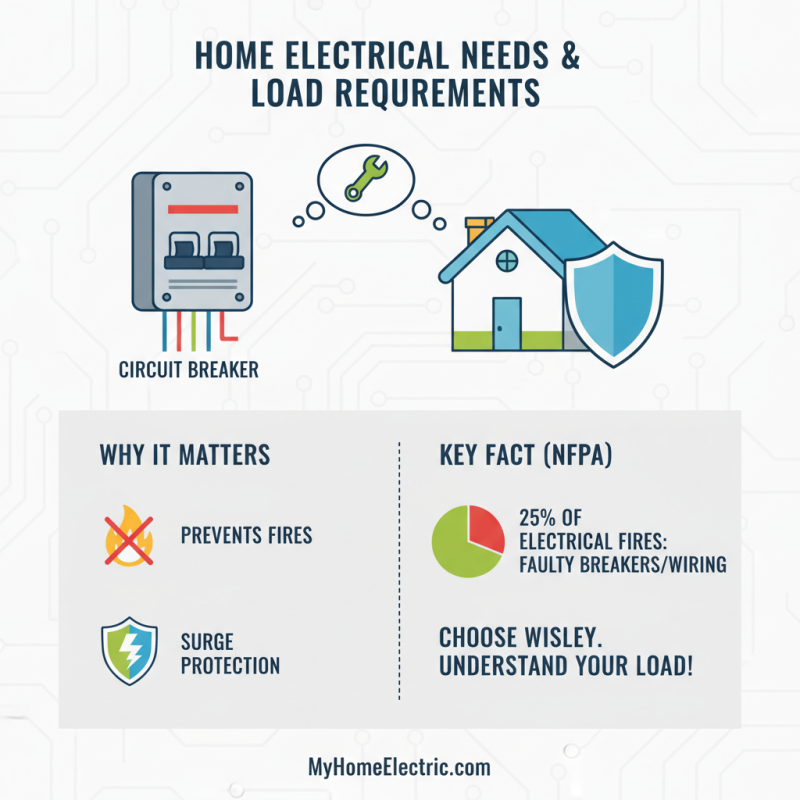
Identifying your home’s electrical needs is crucial for choosing the right circuit breaker. A well-calibrated circuit breaker can protect your home from potential hazards like fires and electrical surges. According to the National Fire Protection Association (NFPA), about 25% of electrical fires are due to faulty breakers and wiring. This underscores the importance of understanding your load requirements.
Start by assessing your household appliances. Each device has a wattage rating, contributing to the total load. For instance, a standard refrigerator might draw around 800 watts. If you run multiple high-wattage devices simultaneously, you risk overloading a single circuit. The U.S. Department of Energy recommends calculating the total wattage by adding each appliance's wattage. This total informs your circuit breaker’s amp rating needed for safe operation.
Electrical needs can change, so remember to factor in future appliances or upgrades. Households often underestimate demand, leading to inadequate protection and frequent circuit trips. A professional electrical audit could uncover hidden loads or potential risks. Investing in the right technology today could save you from costly damages down the line. Adapting to your home's evolving electrical landscape is essential for safety and efficiency.
Evaluating Different Types of Circuit Breakers for Home Use
Choosing the right circuit breaker for home use can be daunting. Different types have unique features and functionalities. Standard breakers are common, designed for everyday use. They trip and protect circuits from overloads. However, more specialized breakers, like GFCI and AFCI, serve specific needs.
GFCI breakers are essential in wet areas, preventing shock hazards. They cut off power when they sense imbalance. On the other hand, AFCI breakers protect against fires caused by arc faults. They detect unintended arcing and disconnect the circuit. Understanding these differences ensures safety and efficiency in your home.
Evaluating your power needs is crucial. If you have many devices, consider higher amperage breakers. Each family's electrical demand is different. Reflecting on your usage can help you make a better choice. It’s okay to seek professional help if you're unsure. Getting it right can prevent costly repairs later.
Evaluating Different Types of Circuit Breakers for Home Use
Considering Safety Features and Ratings in Circuit Breaker Selection
Choosing the right home circuit breaker goes beyond basic functionality. Safety features play a critical role in protecting your home and family. The National Fire Protection Association (NFPA) reports that faulty electrical systems cause around 51,000 home fires annually. These stats highlight the importance of selecting breakers with advanced safety features.
Look for features like Ground Fault Circuit Interrupters (GFCI) and Arc Fault Circuit Interrupters (AFCI). GFCI breakers cut off power when they detect an imbalance in electrical flow, reducing shock hazards in wet areas. Meanwhile, AFCI breakers monitor electrical arcs, which can ignite fires. The Electrical Safety Foundation International (ESFI) suggests homeowners prioritize these breakers in high-risk zones.
Understanding the ratings of circuit breakers is equally important. Voltage ratings determine how much power the breaker can handle. A mismatched rating can lead to overheating and potential failure. Additionally, choosing breakers based on their amperage is vital; the wrong amperage can compromise the entire electrical system’s safety. Always consult with an electrician for an assessment tailored to your home’s needs. Evaluating safety features and ratings ensures a reliable defense against electrical hazards.
Consulting with Professionals for Installation and Recommendations
Choosing the right home circuit breaker is crucial for safety and efficiency. While many homeowners may feel confident exploring options online, consulting professionals for installation and recommendations is often the best approach. An experienced electrician can assess your specific needs and ensure compliance with local electrical codes. They know how to consider factors like home size, electrical load, and existing wiring.
Many people underestimate the complexity of circuit breakers. A simple choice can lead to bigger problems. A qualified technician can recommend the most suitable products based on your unique situation. This could save you from costly mistakes or failures down the line. Professionals also have access to the latest technology and best practices.
Yet, engaging a professional isn’t just about installation; it’s about education. They can help you understand the system better. It’s easy to overlook maintenance schedules or potential upgrades when you don’t know what to look out for. Regular discussions and appointments increase reliability. Your home’s safety should never be a guessing game.