What is a Miniature Circuit Breaker and How Does it Work in Electrical Systems
In the realm of electrical systems, the miniature circuit breaker (MCB) plays a pivotal role in protecting circuits from overloads and short circuits. It serves as a critical safety device, ensuring that electrical currents do not exceed safe levels, thereby preventing potential hazards such as electrical fires. According to John Smith, an esteemed expert in electrical engineering, "The miniature circuit breaker is not just a component; it's the frontline defense against electrical failures." His insight underscores the importance of understanding how MCBs function to enhance reliability and safety in residential and commercial electrical installations.
Understanding the operation of a miniature circuit breaker involves delving into its design and the principles of its mechanism. Unlike traditional fuses, which require replacement after a fault, an MCB can be reset after tripping, making it not only more convenient but also a more sustainable choice. By recognizing the intricacies of how miniature circuit breakers operate, electricians and homeowners alike can make informed decisions regarding their electrical systems.
As we explore the intricacies and functionality of miniature circuit breakers, we will uncover their construction, operational mechanisms, and the significant advantages they bring to modern electrical systems. This knowledge is essential for anyone involved in electrical installations or safety, ensuring that both practitioners and users can benefit from the protective measures afforded by these indispensable devices.
What is a Miniature Circuit Breaker (MCB)?
A Miniature Circuit Breaker (MCB) is an essential component in electrical systems, designed to protect circuits from overcurrents caused by overloads or short circuits. Unlike traditional fuses, which require manual replacement after blowing, MCBs reset automatically once the fault is cleared, making them a more convenient and reliable choice for modern electrical installations. According to a recent market report by Allied Market Research, the global MCB market size is expected to reach approximately $2.45 billion by 2025, demonstrating a compound annual growth rate (CAGR) of 5.8% from 2018 to 2025, driven primarily by advancements in electrical safety and efficiency.
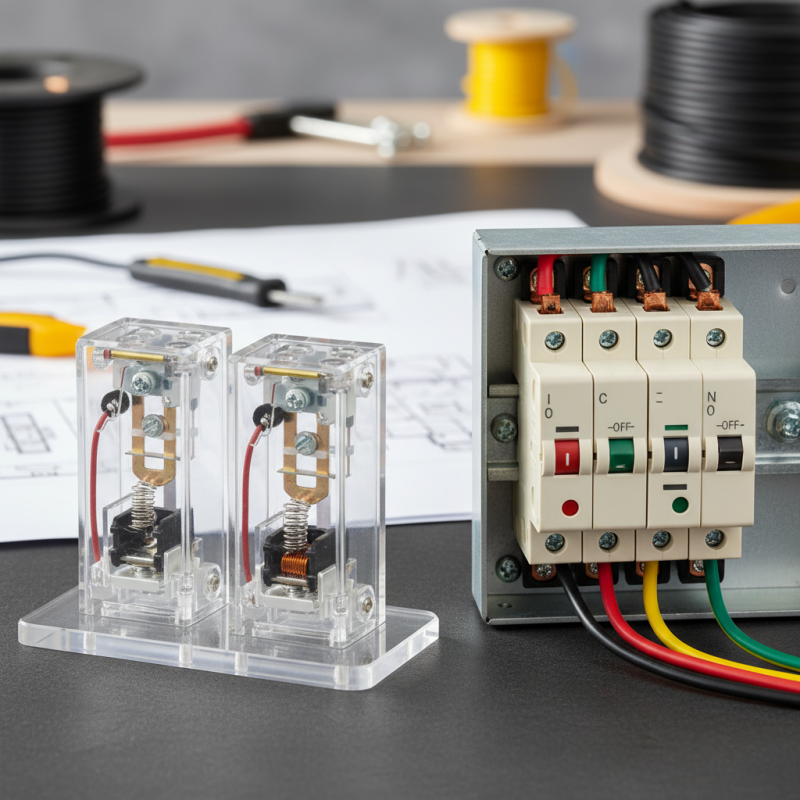
The operation of an MCB relies on two mechanisms: thermal and magnetic. The thermal mechanism activates in case of prolonged overloads as the heating element bends and triggers the switch to disconnect the circuit. In contrast, the magnetic mechanism responds to rapid increases in current, such as in short circuit situations, providing immediate disconnection. Data from the International Electrotechnical Commission (IEC) indicates that proper integration of MCBs in residential and commercial wiring not only enhances safety but also improves the overall reliability of electrical systems. MCBs are designed to handle various current ratings, typically ranging from 0.5 A to 125 A, making them suitable for a wide range of applications, from small appliances to large industrial setups.
Miniature Circuit Breaker (MCB) Load Current Ratings
This bar chart represents the different load current ratings for various Miniature Circuit Breakers (MCBs). Each rating indicates the maximum current the MCB can safely handle before tripping to protect the electrical circuit.
The Functions and Importance of MCBs in Electrical Systems
Miniature Circuit Breakers (MCBs) play a crucial role in ensuring the safety and reliability of electrical systems. As a protective device, an MCB automatically interrupts the electrical circuit when it detects an overload or a short circuit, thus preventing potential hazards such as electrical fires or equipment damage. According to a report by the International Electrotechnical Commission (IEC), the demand for MCBs is expected to grow at a CAGR of 6.2% over the next five years, driven by increased investments in both residential and industrial electrical infrastructure.
The functions of MCBs extend beyond merely interrupting the circuit; they also contribute to the efficient management of electrical loads. By providing reliable overload protection, MCBs help maintain a stable power supply and minimize downtime in both commercial and industrial settings. A study by the National Fire Protection Association (NFPA) indicates that systems equipped with appropriate circuit protection devices, including MCBs, can reduce the risk of electrical fires by over 30%. Furthermore, MCBs are designed for easy reset after a trip, which enhances operational efficiency and reduces maintenance costs in electrical systems. Their ability to quickly restore service makes MCBs an essential component for modern electrical distribution networks.
How MCBs Offer Protection Against Overcurrent and Short Circuits
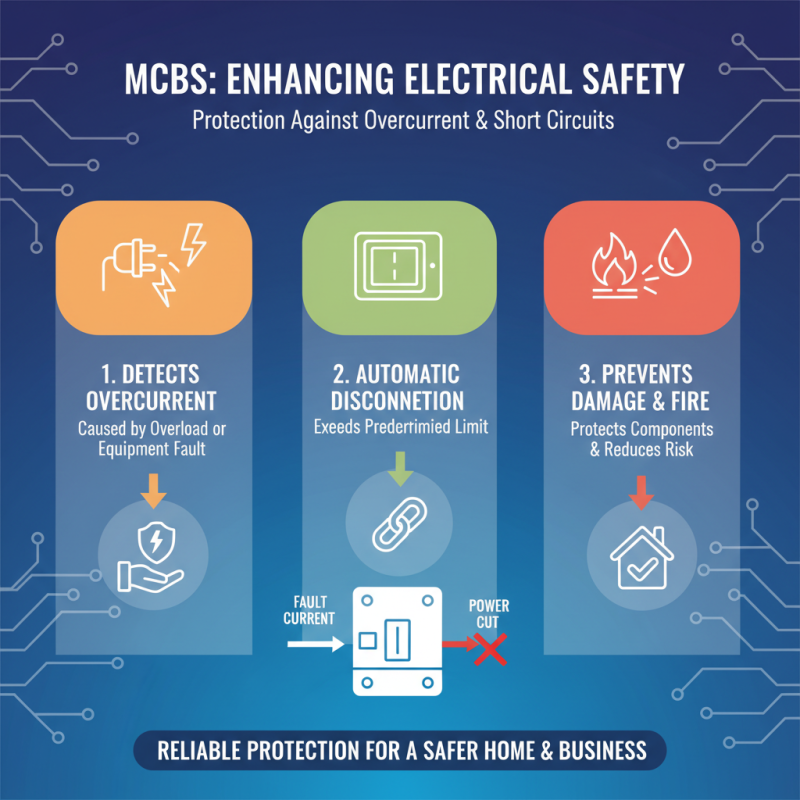
Miniature Circuit Breakers (MCBs) play a crucial role in enhancing the safety and reliability of electrical systems by offering robust protection against overcurrent and short circuits. Overcurrent conditions can occur due to various factors, such as overloaded circuits or equipment malfunction. MCBs are designed to automatically disconnect the electrical supply when they detect a current exceeding the predetermined limit, thereby preventing potential damage to electrical components and reducing the risk of fire hazards.
Furthermore, MCBs also provide immediate protection in the event of a short circuit, where an unintended path allows current to flow, often resulting in a rapid and excessive surge. When this occurs, the MCB senses the drastic increase in current and quickly trips the circuit. This rapid response mechanism minimizes the impact of short circuits, safeguarding both the electrical system and connected devices. By ensuring that only the affected circuit is disconnected, MCBs help maintain the operation of other circuits, enhancing the overall resilience of an electrical installation.
The Mechanism of Operation: How MCBs Detect and Respond to Faults
Miniature Circuit Breakers (MCBs) are vital components in electrical systems, primarily designed to protect circuits from overloads and short circuits. Their operation is based on a combination of thermal and electromagnetic mechanisms. When the current flowing through a circuit exceeds the rated capacity of the MCB, it triggers a response to interrupt the current flow, thus preventing potential damage to the wiring and connected devices.
The detection process begins with the thermal element within the MCB, which reacts to prolonged overload conditions. This thermal mechanism comprises a bimetallic strip that bends when heated by the excess current, ultimately releasing a latch that opens the circuit. In instances of short circuits, the electromagnetic mechanism takes precedence. This involves an electromagnet that responds rapidly to the surge of current, creating a magnetic field strong enough to trip the breaker almost instantaneously. This dual-functionality ensures that MCBs can handle both gradual overloads and rapid fault incidents, providing robust protection for electrical systems and enhancing safety in residential and commercial applications.
Installation and Maintenance: Best Practices for Miniature Circuit Breakers
When it comes to installing miniature circuit breakers (MCBs), adhering to best practices is crucial for ensuring both safety and functionality in electrical systems. First and foremost, it is vital to select the correct MCB rating that corresponds to the specific load and application. Proper sizing not only prevents nuisance tripping but also ensures that the circuit remains protected against overcurrent. During installation, MCBs should be connected to a stable and reliable electrical panel, with appropriate terminal connections made to avoid any loose wires that could lead to electrical faults.
Maintaining miniature circuit breakers is equally important for prolonged system reliability. Regular inspection and testing of MCBs can help identify any signs of wear or malfunctioning components. It's recommended to perform routine checks every six months, ensuring that the mechanism operates smoothly and that the reset function works correctly. Additionally, any accumulated dust or debris around the MCB should be cleaned to prevent overheating or mechanical obstruction. By following these installation and maintenance best practices, the overall performance of MCBs in electrical systems can be significantly enhanced, contributing to a safer environment.
What is a Miniature Circuit Breaker and How Does it Work in Electrical Systems - Installation and Maintenance: Best Practices for Miniature Circuit Breakers
| Dimension |
Description |
Best Practices |
| Voltage Rating |
The maximum voltage that the MCB can handle, usually 230V or 400V. |
Select MCBs rated for the specific voltage of the system. |
| Current Rating |
The maximum current that the MCB can carry without trip, typically ranges from 6A to 63A. |
Choose an MCB that matches the load requirements. |
| Tripping Characteristics |
Defines the speed and conditions of tripping, classified as B, C, or D curves. |
Select the curve based on the type of loads (resistive, inductive, etc.). |
| Mounting Type |
Can be mounted on a DIN rail or in an enclosure. |
Ensure that installation complies with local electrical codes and standards. |
| Maintenance Frequency |
Routine inspections and testing to ensure functionality. |
Conduct tests every 6 to 12 months to check tripping mechanism. |