China Top 10 Surge Protection Device Manufacturers
China has become a major production base for surge protection equipment, serving residential, commercial, industrial, and renewable-energy projects worldwide. Its manufacturers supply SPDs for distribution boards, data networks, photovoltaic systems, and electric-vehicle infrastructure.
Market evidence supports this expanding role. Grand View Research estimated the global surge protection devices market at approximately USD 3.3 billion in 2023. The report also expects continued growth through 2030, driven by digital infrastructure, grid modernization, and stricter equipment-protection requirements. These figures are useful, but they do not tell the entire story. A factory’s testing discipline matters more than a polished catalog.
Dr. Martin A. Uman, a leading lightning researcher, wrote, “Lightning is a capricious and dangerous natural phenomenon.” His observation explains why reliable protection requires more than installing a single component. Coordination, grounding, response time, maximum discharge current, and compliance with IEC 61643-11 all deserve careful evaluation. In practice, a good device should protect sensitive equipment without creating unnecessary interruption. That sounds simple. It is not.
This China Top 10 Surge Protection Device Manufacturers guide compares companies through technical capability, certification evidence, product range, manufacturing experience, quality control, and export performance. It also considers application details, such as a rooftop inverter facing repeated summer storms or a factory control cabinet operating beside large motors. Rankings are never absolute. Supplier performance can vary by model, project, and testing method. That limitation should remain visible. Reliable selection requires verification, not confidence alone.
What Is a Surge Protection Device?
What Is a Surge Protection Device?
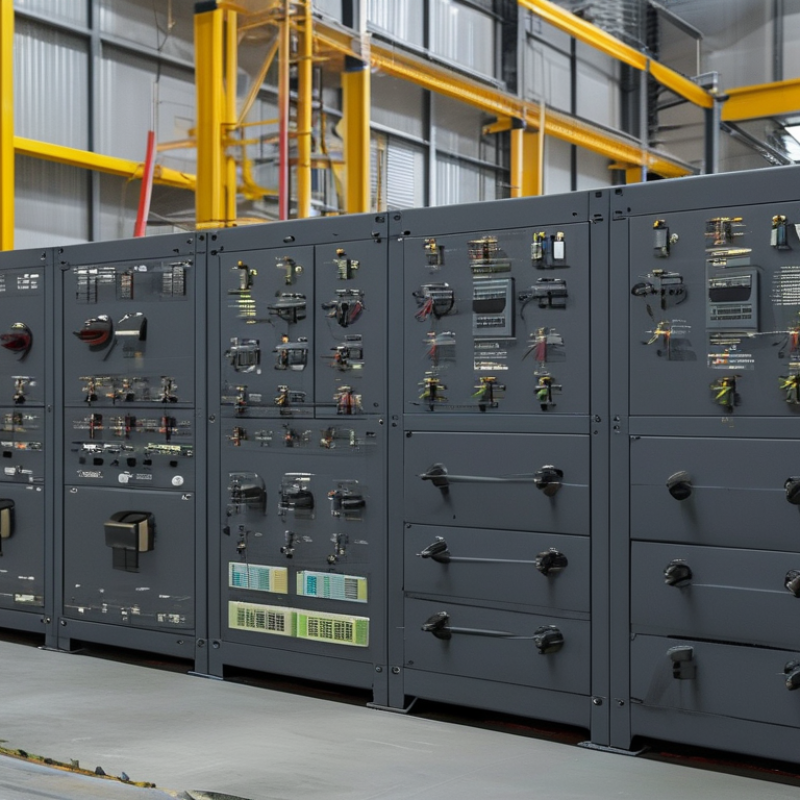
A surge protection device, or SPD, protects electrical equipment from short, powerful voltage increases. These events can come from lightning, motor switching, or utility system changes. An SPD does not block normal electricity. Instead, it redirects excessive energy toward the grounding system and limits the voltage reaching connected equipment.
Inside the device, components such as metal oxide varistors, gas discharge tubes, or transient voltage suppressors respond within tiny fractions of a second. Installation usually occurs at a main distribution panel, subpanel, or near sensitive equipment.
A reliable design considers maximum continuous operating voltage, discharge current, voltage protection level, and coordination between protection stages. Wiring length matters too. Poor routing can weaken an otherwise suitable device.
It is not a magic shield.
During practical inspections, technicians often find loose connections, weak grounding, or incorrect device ratings. These details can reduce protection considerably. An SPD also has a service life. Repeated surges may damage its internal parts, even when the equipment still appears normal. A visible status indicator helps, but it cannot replace scheduled inspection. Selecting protection requires more than comparing package labels; building layout, local electrical conditions, and equipment sensitivity must be evaluated together. Mistakes happen when installation is treated as a simple plug-in task.
How China’s Surge Protection Device Industry Has Developed
China’s surge protection device industry has moved from basic component supply toward engineered electrical safety systems. Demand grew with factories, data centers, photovoltaic installations, and urban rail projects. MarketsandMarkets estimates the global surge protection device market will increase from about USD 3.0 billion in 2023 to USD 4.2 billion by 2028, at a 6.8% CAGR. China remains a major manufacturing and consumption base.
This development reflects stronger technical requirements. Domestic production increasingly follows GB/T 18802.1, which aligns with IEC 61643-11 for low-voltage surge protective devices. Manufacturers now test clamping voltage, discharge capacity, thermal stability, and remote signaling. The China Electricity Council has also reported continued growth in renewable generation and grid investment, creating more exposed electrical points. Yet quality is not uniform. Some suppliers still focus on low purchase prices instead of coordination, grounding, and replacement planning. That gap deserves more attention.
Tips: Check the protection zone, maximum discharge current, voltage rating, and installation environment. Ask for test records based on current standards. A device can look robust but perform poorly with weak grounding. Engineers should review the whole protection system, not only the product label. Industry forecasts are useful, but field measurements often reveal uncomfortable differences.
Key Technologies Used by Chinese SPD Manufacturers
China Top 10 Surge Protection Device Manufacturers
Chinese SPD manufacturers increasingly combine metal-oxide varistors, gas discharge tubes, and thermal disconnectors. This hybrid design manages both fast voltage spikes and sustained overvoltage. A varistor can react within nanoseconds. The gas tube handles larger discharge currents with lower leakage.
Protection classes also shape product selection. Type 1 devices use impulse current ratings, commonly 12.5 kA per pole or higher. Type 2 products often specify nominal discharge currents between 20 kA and 40 kA. Type 3 units protect sensitive equipment near the load. These figures should not be compared without checking the test waveform.
Manufacturers typically follow IEC 61643-11 and related Chinese GB/T requirements. Testing covers residual voltage, short-circuit behavior, thermal stability, and repeated impulses. Remote status contacts are becoming common in industrial panels. Some factories also add monitoring modules that record surge events and operating temperature. Grand View Research estimates the global surge protection device market reached about USD 3.1 billion in 2023, with continued growth expected through 2030. Mordor Intelligence also identifies industrial automation, data centers, and renewable energy as important demand areas.
Field experience reveals a weakness. A fast response time does not guarantee effective protection. Cable length, grounding impedance, backup fuses, and installation position can change the result. Chinese suppliers now use impulse generators, environmental chambers, and automated aging tests, but test consistency still deserves closer review. The numbers look convincing. The installation often decides more.
China’s Top 10 Surge Protection Device Manufacturers
China’s Top 10 Surge Protection Device Manufacturers
China’s top 10 surge protection device manufacturers serve industrial, commercial, and residential applications. Their products commonly protect power lines, control systems, data networks, and photovoltaic installations. A reliable manufacturer should provide clear technical data, traceable testing records, and stable production quality.
Look closely at discharge current, voltage protection level, response time, and operating temperature. These figures should match the installation environment, not merely appear impressive. In factory evaluations, engineers often inspect metal oxide varistors, thermal disconnects, terminal strength, and enclosure materials. Small details matter. A loose terminal can create heat during repeated surges.
The strongest manufacturers usually support sample testing, customized specifications, and documented quality controls. They may also hold recognized certifications for applicable markets. However, certification alone proves limited practical performance. Field feedback, batch consistency, and replacement support deserve equal attention. No ranking is perfect. Production capacity can change, and public information may remain incomplete. I would recheck test reports, factory records, and delivery history before selecting any supplier. This cautious approach helps buyers compare China’s leading surge protection manufacturers with greater confidence.
China's Top 10 Surge Protection Device Manufacturers
Standards-based technical reference for common surge protection device test categories. The chart uses standardized impulse waveform parameters rather than company-level or brand-level data.
Type 1 SPDs are commonly evaluated with a 10/350 μs current impulse, while Type 2 and the current component of Type 3 testing commonly use an 8/20 μs impulse. Values represent waveform front time and time to half-value according to widely used IEC surge-testing conventions.
How to Compare and Select a Chinese SPD Manufacturer
How to Compare and Select a Chinese SPD Manufacturer
Choosing a Chinese surge protection device manufacturer requires more than comparing prices. Start with technical evidence. Check compliance with IEC 61643-11 and applicable national standards. Request current test reports, not recycled certificates. Numbers matter. Compare maximum continuous operating voltage, nominal discharge current, maximum discharge current, voltage protection level, and impulse current capacity. These values must match your electrical system and installation category. Ask how the manufacturer controls varistor quality, thermal disconnection, enclosure materials, and moisture resistance. A clear production traceability system is a strong reliability signal.
Visit the factory when possible, or arrange an independent audit. Review incoming inspection records, calibration schedules, aging tests, and final inspection procedures. Ask for samples from normal production, not specially prepared units. Test them under realistic conditions, including repeated surges and temperature changes. A polished catalog can still hide weak process control. That is an uncomfortable lesson. Check whether engineers explain failure modes clearly and provide drawings, wiring guidance, and replacement procedures. Discuss minimum order quantities, lead times, spare parts, warranty terms, and technical support before signing. Do not judge capability from certificates alone; compare test depth, communication quality, and consistency across samples. Even careful buyers can miss packaging damage or installation errors, so define acceptance criteria in writing.