What is the Best MCCB Breaker for Your Electrical Needs?
When selecting the best MCCB breaker for your electrical needs, it is essential to understand the specifics of these devices. MCCB, or Molded Case Circuit Breaker, serves as a critical component in electrical distribution systems. According to industry reports, the global MCCB market is expected to grow significantly, reaching over $6 billion by 2026. This growth emphasizes the importance of choosing the right product tailored to specific applications.
MCCB breakers are designed to protect electrical circuits from overload and short-circuit conditions. A study by the International Electrotechnical Commission states that improper selection of circuit breakers can lead to increased downtime and safety hazards. Selecting the appropriate MCCB involves considering factors such as current rating, breaking capacity, and thermal trip settings, which all influence operational reliability.
It's easy to overlook the varying needs of different installations. While there are many options on the market, not all MCCB breakers are created equal. Features such as adjustable trips and auxiliary contacts can significantly impact performance. As users, we must be aware that the wrong choice can lead to inefficiency and unnecessary costs. Understanding your specific requirements is crucial in making an informed decision.
Understanding MCCB: Definition and Functionality
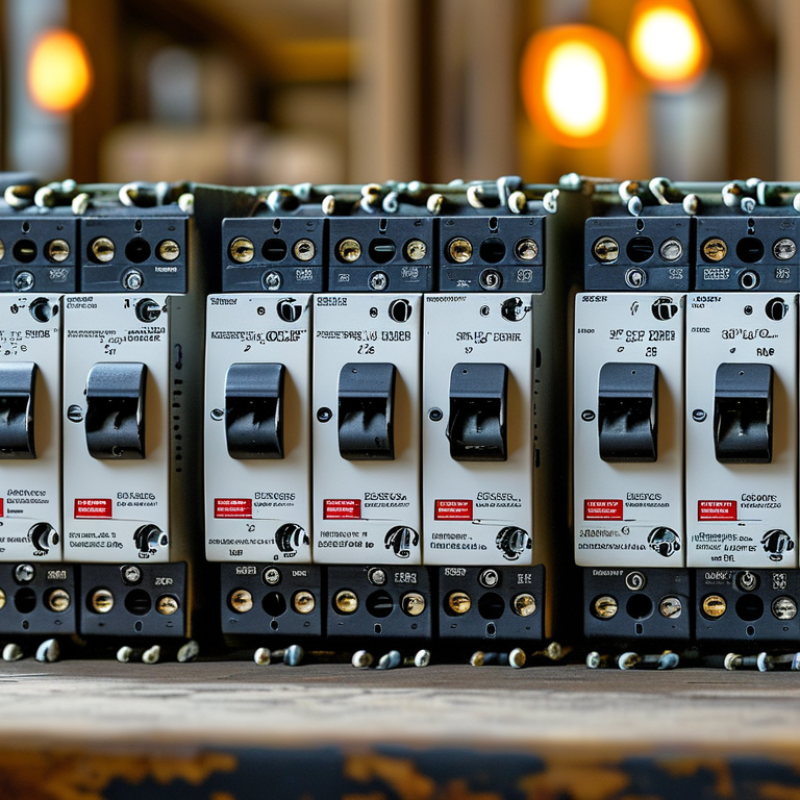
Molded case circuit breakers (MCCBs) are essential components in electrical systems. They provide overcurrent protection and ensure safety in various applications. Understanding their functionality is crucial for effective electrical design. According to a report by Research and Markets, the MCCB market is expected to grow at a CAGR of 4.2% from 2021 to 2026. This highlights the increasing reliance on these devices in modern electrical systems.
MCCBs work by interrupting the circuit during overload or short-circuit conditions. Their design allows for adjustable trip settings, making them suitable for diverse applications. For example, in industrial settings, they accommodate equipment ranging from motors to transformers. The National Electrical Manufacturers Association (NEMA) states that these breakers can handle currents up to 2,500 amps, ensuring robust protection for high-demand setups.
Choosing the right MCCB can be complex. Factors such as current rating, interrupting capacity, and environmental considerations play a role. In many cases, installation errors or miscalculations can lead to system failures. Reports indicate that around 20% of electrical failures stem from mismatched breakers in commercial settings. Proper assessment and understanding of electrical needs are vital for optimal performance.
Key Features to Consider When Choosing an MCCB
When selecting an MCCB (Molded Case Circuit Breaker), understanding key features is crucial. The breaking capacity is one of the primary considerations. It determines how much fault current the breaker can interrupt without failing. According to industry reports, a breaker with a higher breaking capacity often costs more but provides better protection against electrical faults.
Another essential feature is the number of poles required for your application. MCCBs are available in single, double, and triple-pole configurations. The number of circuits and the specifics of your electrical installation will guide this choice. For instance, a three-pole MCCB is ideal for three-phase systems, which are common in industrial settings. This choice can impact not just functionality but also maintenance down the line.
Additionally, it's important to examine the thermal and magnetic trip settings. These settings define how quickly the breaker responds to overloads and short circuits. A breaker that trips too slowly may fail to protect your equipment. On the contrary, one that trips too quickly might create unnecessary downtime. Evaluating these aspects is vital to ensure reliable operation under varying loads. Remember, selecting the right MCCB requires careful consideration of these features to meet your specific electrical needs effectively.
Evaluating Ampere Ratings for Your Electrical Needs
Choosing the right MCCB (Molded Case Circuit Breaker) requires a clear understanding of ampere ratings. These ratings play a crucial role in ensuring your electrical system functions safely and efficiently. An incorrect rating can lead to performance issues or safety hazards.
Understanding your electrical load is vital. Calculate the total amperage required by all devices on the circuit. Each device has a specific current rating; summing these gives you a clearer picture. When selecting an MCCB, pick one with a rating that exceeds your total load. This buffer helps manage unexpected surges.
In addition, consider environmental factors. If your breaker will be exposed to temperatures beyond typical room conditions, select one rated for higher temperatures. This can prevent premature failure.
It’s also wise to review installation practices. Improper installation can affect the breaker’s performance. If in doubt, consult a professional. Their expertise ensures that your selection meets safety standards.
Remember to reassess your needs regularly. Your electrical requirements might change, especially with new appliances or renovations. Staying aware of these changes helps maintain system integrity and safety.
Types of MCCB: Which One Suits Your Application?
Molded Case Circuit Breakers (MCCBs) are vital for electrical systems. Various types exist, and selecting the right one ensures safety and efficiency in your applications. MCCBs can be categorized primarily into thermal-magnetic and electronic types. Thermal-magnetic breakers use heat and magnetism to trip, while electronic types offer advanced features like adjustable trip settings.
Thermal-magnetic MCCBs are simpler and cost-effective for many commercial applications. They provide reliable protection against overloads and short circuits. For instance, a typical thermal-magnetic MCCB can handle overloads with a long delay and react instantly to short circuits. This balance provides safe operation in various environments. Data suggests that thermal-magnetic breakers are widely favored, accounting for nearly 70% of the MCCB market.
On the other hand, electronic MCCBs are becoming popular due to their precision and customization. They allow for remote monitoring and can be programmed for specific trip levels. According to recent industry reports, electronic MCCBs are expected to grow by over 15% in the next five years. While they offer better features, the initial cost is a significant consideration. Many users find this balance tricky. An informed decision should weigh both the immediate costs and long-term benefits for your unique application.
Installation and Maintenance Tips for MCCBs
When dealing with MCCBs, installation is a key factor in their functionality. Proper placement ensures that the circuit is protected effectively. Before installation, ensure the electrical panel is de-energized. This step is crucial for safety. Utilize insulated tools to avoid accidental shorts. Taking the time to double-check wiring connections can save you from potential hazards.
After installation, regular maintenance is essential. Monitoring for any unusual signs, such as overheating or excessive noise, can preempt failures. Periodically, inspect the connections and terminals. Loose connections can lead to increased heat, which may damage the MCCB. Keep the surrounding area clean to prevent dust buildup, which can interfere with operation.
Understanding the specific applications of your MCCB can enhance its performance. Always refer to the manufacturer's guidelines for proper settings. Calibration might be necessary after installation, ensuring that the breaker responds correctly to overloads. Each space has unique demands, and being aware of these can make a significant difference in safety and reliability.
What is the Best MCCB Breaker for Your Electrical Needs? - Installation and Maintenance Tips for MCCBs
| MCCB Type |
Current Rating (A) |
Voltage Rating (V) |
Breaking Capacity (kA) |
Mounting Type |
| Standard MCCB |
16-63 |
400/690 |
25 |
Panel Mount |
| Hydraulic-magnetic MCCB |
80-125 |
400 |
50 |
Flush Mount |
| Electronic MCCB |
125-250 |
690 |
65 |
DIN Rail Mount |
| Smart MCCB |
250-800 |
480 |
80 |
Panel Mount |