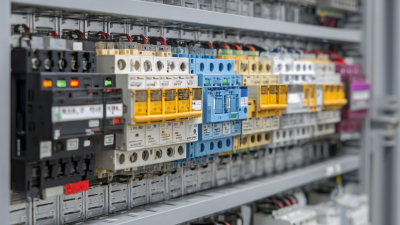
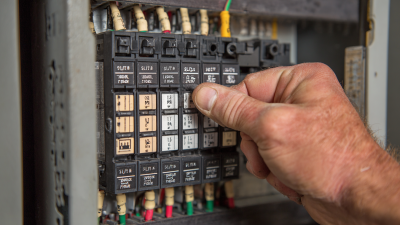
Top 10 Benefits of Using Vacuum Circuit Breakers for Your Electrical System
In the modern landscape of electrical infrastructure, ensuring safety and reliability is paramount. One of the most effective solutions for achieving these goals is the use of vacuum circuit breakers. Renowned electrical engineer Dr. Emily Chen, a leading expert in power systems, states, “The vacuum circuit breaker stands out for its ability to offer superior protection and minimal maintenance, making it an ideal choice for various applications.” As industries evolve and the demand for efficient energy management increases, the role of vacuum circuit breakers becomes increasingly significant.
Vacuum circuit breakers provide numerous advantages that can greatly enhance the performance of any electrical system. Their unique design not only improves operational safety but also optimizes performance under diverse conditions. From their compact size to their effectiveness in current interruption, these circuit breakers are transforming the way facilities approach electrical distribution safety and reliability. Understanding the top benefits of integrating vacuum circuit breakers into an electrical system can empower decision-makers to enhance their infrastructure, ultimately leading to more sustainable and resilient operations.
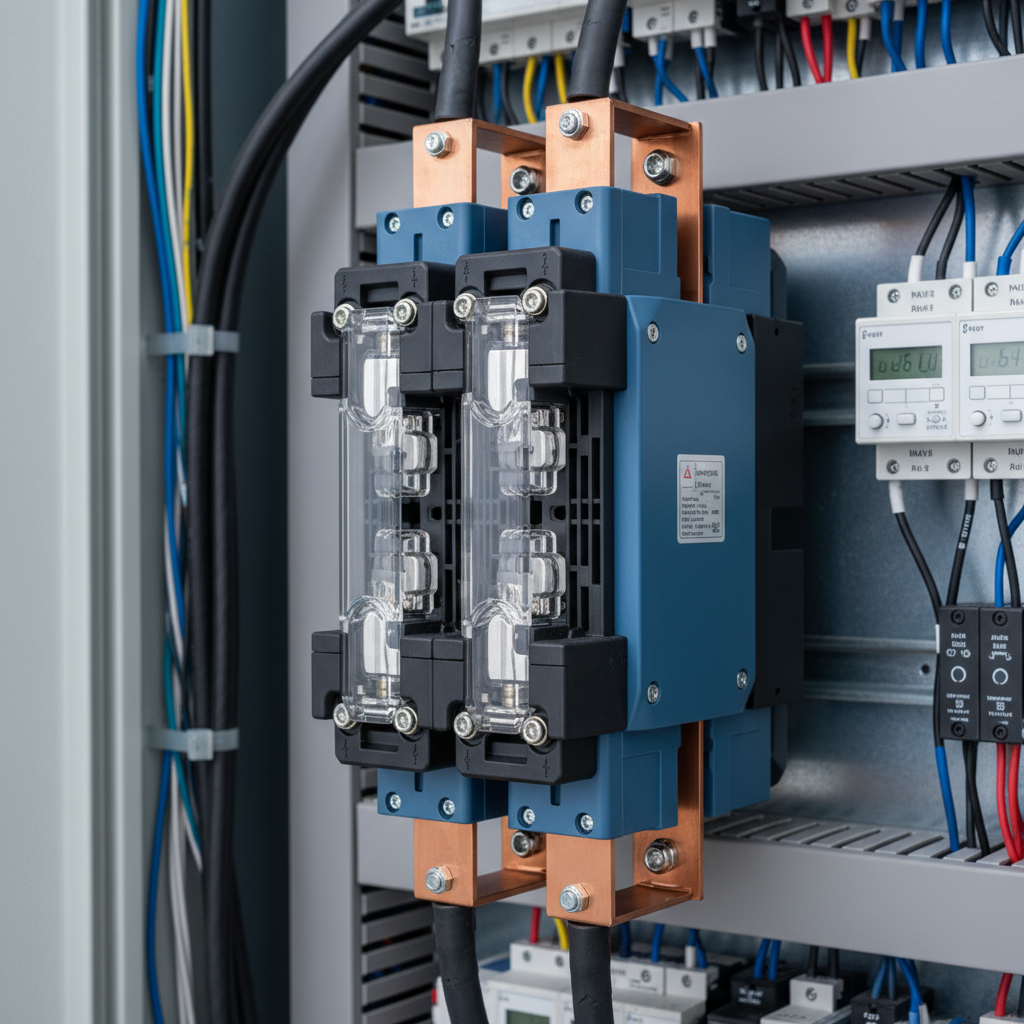
Advantages of Vacuum Circuit Breakers in Enhancing System Reliability
Vacuum circuit breakers (VCBs) are becoming increasingly essential in modern electrical systems due to their remarkable reliability and efficiency. One significant advantage of VCBs is their maintenance-free nature, as demonstrated in recent advancements where systems can operate for up to 10,000 cycles without requiring significant upkeep. This feature alone can lead to substantial cost savings, reducing operational expenditures by as much as 75%. Moreover, their ability to provide safe and reliable power protection makes VCBs an attractive choice for industries seeking to enhance system reliability.
Another important benefit of VCBs is their compact design, which is up to 20% smaller than conventional alternatives. This smaller footprint allows for more efficient use of space in electrical installations, facilitating better layout and planning. Additionally, VCBs exhibit performance levels that can be five times greater than market standards, ensuring they meet the demanding requirements of today’s power systems. As the global demand for medium voltage circuit breakers continues to grow, investing in advanced technologies like VCBs not only boosts system reliability but also promotes sustainability by enabling the retrofit of aging components with modern solutions.
Top 10 Benefits of Using Vacuum Circuit Breakers for Your Electrical System
| Benefit |
Description |
Impact on Reliability |
| High Switching Capability |
Can interrupt high fault currents efficiently. |
Improves protection against overloads. |
| Compact Design |
Requires less space than conventional breakers. |
Facilitates easy installation and maintenance. |
| Reduced Maintenance |
Minimal maintenance requirements due to no gas or oil. |
Increases operational uptime. |
| Environmentally Friendly |
Uses vacuum as the arc extinguishing medium. |
Reduces environmental impact. |
| High Insulation Resistance |
Excellent insulating properties in dry conditions. |
Enhances safety in operation. |
| Long Service Life |
Designed for a high number of operations without failure. |
Reduces the frequency of replacements. |
| Fast Operation |
Quickly interrupts current during fault conditions. |
Minimizes damage to electrical components. |
| Cost-Effective |
Lower total cost of ownership over time. |
Enhances budget allocation for maintenance. |
| Improved Arc Quenching |
Effective in extinguishing arcs with minimal energy loss. |
Improves circuit protection reliability. |
| Flexibility in Design |
Can be adapted for various electrical configurations. |
Allows for customized system improvements. |
Cost Efficiency: Savings on Maintenance and Replacement with Vacuum Circuit Breakers
Vacuum Circuit Breakers (VCBs) play a pivotal role in enhancing the cost efficiency of electrical systems. One of the most significant advantages of using VCBs is the considerable reduction in maintenance and replacement costs. Unlike traditional circuit breakers, VCBs have a longer lifespan and require minimal maintenance due to their sealed environment, which protects the internal components from external contaminants. This feature leads to fewer interruptions and downtime, ultimately translating into significant savings for businesses.
Moreover, VCBs eliminate the need for frequent component replacements, which incurs both costs and labor. Companies can budget better and allocate resources more effectively when they know that their circuit breakers will last longer without needing extensive repairs or replacements.
Tip: To maximize the benefits of VCBs, consider regular maintenance checks, even though they require less frequent upkeep. Keeping track of their performance is essential to ensuring they operate optimally over time.
Additionally, investing in the latest VCB technology can further enhance savings by improving energy efficiency. Older models may lead to increased energy losses during operations; upgrading to newer VCBs not only pays off in terms of reduced energy bills but also contributes to sustainability efforts.
Tip: Evaluate your current electrical infrastructure regularly to identify opportunities for integrating VCBs, ensuring you achieve maximum efficiency and cost savings in the long run.
Environmental Impact: The Eco-Friendly Advantages of Using Vacuum Technology
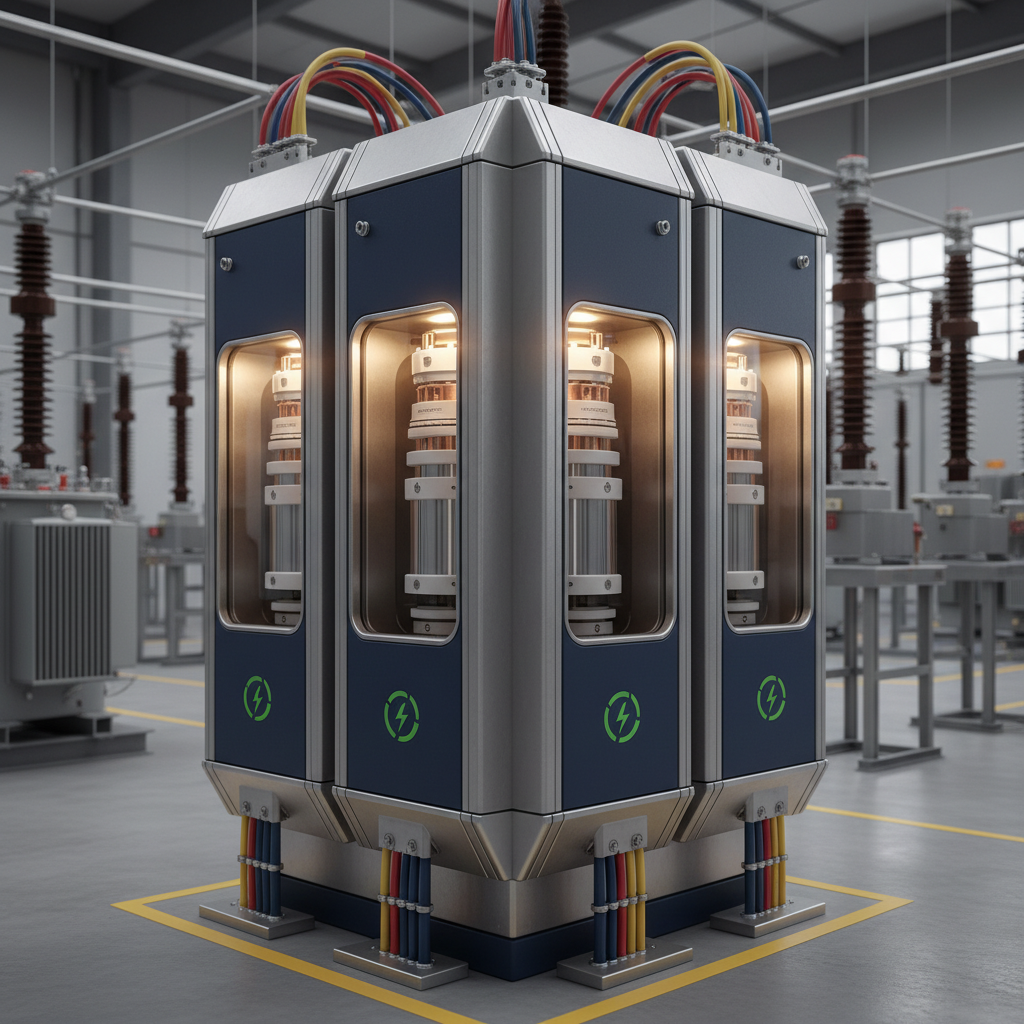
Vacuum circuit breakers (VCBs) are increasingly recognized not only for their operational efficiency but also for their environmentally friendly advantages. According to a report by the International Energy Agency, VCBs contribute to reducing greenhouse gas emissions by up to 90% when compared to traditional air-insulated circuit breakers. This is largely due to their use of a vacuum medium for arc extinction, which eliminates the need for harmful insulating gases like SF6, notorious for its high global warming potential.
Furthermore, VCBs have a longer lifespan, reducing the frequency of replacements and thereby minimizing waste. The Environmental Protection Agency notes that VCBs can operate effectively over 30 years, which is significantly longer than their alternatives. This longevity not only translates to lower material consumption but also reduces the carbon footprint associated with manufacturing and disposing of electrical components. As industries increasingly prioritize sustainability, incorporating vacuum technology in electrical systems can play a pivotal role in enhancing energy efficiency while significantly impacting environmental preservation.
Safety Features: How Vacuum Circuit Breakers Minimize Electrical Hazards
Vacuum circuit breakers (VCBs) offer numerous safety features that significantly minimize electrical hazards in various systems. One of the primary mechanisms that enhance safety is their enclosed design, which ensures that the internal components are protected from external atmospheric conditions. This enclosure prevents potential contaminants such as dust or moisture from affecting the circuit's performance, thereby reducing the likelihood of electrical failures. Furthermore, the vacuum technology employed in VCBs extinguishes the arc that occurs during circuit interruption much more efficiently than traditional air-insulated breakers, leading to a lower risk of fire hazards.
Additionally, VCBs are inherently safer because of their low maintenance requirements. With no need for regular inspection of insulating mediums, operators can reduce their exposure to electrical risks during maintenance activities. The robust construction of vacuum circuit breakers also means they are less susceptible to mechanical wear and tear, further ensuring reliable operation over time. This reliability is crucial in preventing unintentional outages or dangerous voltage spikes, protecting not only the equipment but also the personnel working in close proximity. The integration of advanced monitoring technologies in modern VCBs adds another layer of safety, allowing real-time diagnostics and alerts that help in early detection of potential issues before they escalate into dangerous situations.
Compact Design: Space-Saving Benefits of Vacuum Circuit Breakers in Electrical Installations
Vacuum circuit breakers (VCBs) are increasingly favored in modern electrical installations due to their compact design, which offers significant space-saving benefits. Unlike traditional air-insulated circuit breakers, VCBs have a smaller footprint, making them ideal for environments with limited space. This reduces the overall size of electrical switchgear, allowing for more efficient use of the installation area without compromising on performance or safety.
Moreover, the compactness of VCBs enhances system flexibility. With less physical space required, installations can be positioned closer to other components, optimizing layout and workflow in industrial and commercial environments. This design advantage not only streamlines the installation process but also facilitates easier access for maintenance and monitoring. Consequently, managers and engineers can ensure that their electrical systems remain efficient and reliable while maximizing valuable real estate in their facilities.