Top Weatherproof Labeling Materials for 2026 How to Choose?
Choosing the right materials for labeling in outdoor conditions can be daunting. The market is full of options, each claiming to be the best. However, not all materials meet the rigorous demands of weather exposure. This is where understanding the **Top Weatherproof Labeling Materials** comes into play.
Considerations such as durability, resistance to fading, and adhesive strength are critical. You want labels that withstand UV rays and moisture without degrading. Materials like vinyl and polyester often rank high due to their longevity. But, achieving the perfect balance can be tricky.
While it’s easy to focus solely on brand names, real-world testing reveals that some lesser-known materials perform exceptionally well. Reliability is key, yet choosing among various options can lead to uncertainty. Reflecting on personal experiences may uncover preferences that shape your choices. Ultimately, informed decisions lead to the best outcomes in labeling applications.
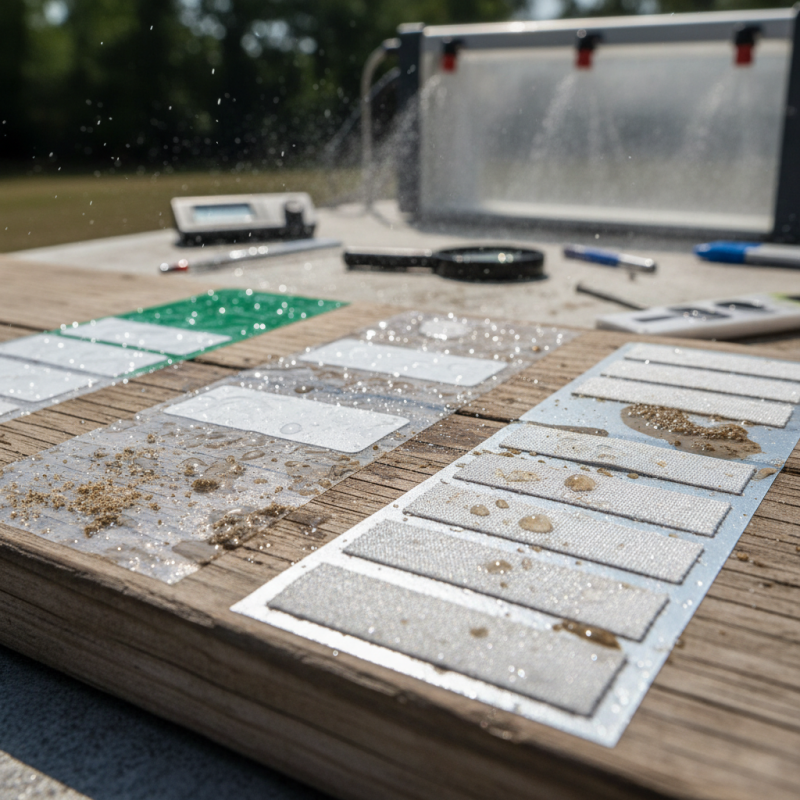
Top Weatherproof Labeling Materials Overview
When selecting weatherproof labeling materials, several factors come into play. The environment where labels will be used is crucial. For instance, exposure to extreme temperatures or moisture can degrade certain materials. Users often overlook how UV exposure can fade prints. Choosing fade-resistant inks alongside durable materials can significantly enhance label longevity.
Material texture matters too. A smooth surface might look appealing, but it may not hold up well outdoors. Consider textured or rugged surfaces that offer better resistance to wear. Many users report that labels with a stronger adhesive bond last longer. Understanding the specific requirements for your application ensures that your labels remain intact and legible over time.
It's also essential to think about the printing method required. Some materials work well with inkjet, while others are compatible with thermal printing. Investigating the strengths and weaknesses of different printing techniques can save both time and money. Ultimately, interface with your user community for feedback. Adjusting your choices based on real experiences brings reliable results.
Key Factors to Consider When Choosing Weatherproof Labels
When selecting weatherproof labels, consider key factors to ensure effectiveness. Durability is paramount. Labels must withstand extreme temperatures, humidity, and exposure to UV rays. A recent industry report indicates that nearly 30% of labels fail within the first year due to poor material choice.
Adhesive strength is another critical aspect. Different surfaces require specific adhesives. For example, smooth surfaces may need a different adhesive than rough textures. The right adhesive ensures your labels stay intact despite weather conditions. This is vital for outdoor applications, where label failure can lead to serious consequences.
Tips: Always test your labels in real-world conditions before full-scale production. Small test batches can help identify potential issues. Consider the environment where your labels will be applied; factors like rain and fluctuating temperatures can impact performance. To summarize, evaluate material, adhesive, and environmental factors carefully to enhance label reliability.
Comparison of Common Weatherproof Labeling Materials
When selecting weatherproof labeling materials, it is crucial to compare their performance under various conditions. Different materials offer distinct advantages and limitations. Polypropylene, for instance, is often used for its moisture resistance. Data shows that polypropylene can withstand exposure to UV light for up to 1,500 hours without significant degradation. However, it may not be suitable for extreme temperatures.
Vinyl is another popular option, recognized for its durability and flexibility. Studies suggest that vinyl labels can endure harsher environments, maintaining adhesion in temperatures ranging from -40°F to 176°F. Yet, users have reported instances of adhesive failure when submerged in water for extended periods.
Paper labels treated with a weatherproof coating are less expensive but may not hold up as long as synthetic alternatives. According to industry reports, standard paper labels can begin to degrade after three months outdoors. Users often face challenges related to fading and adhesion, indicating that while cost-effective, these materials may not be reliable for long-term applications. Investing in quality materials is essential when the environment poses specific challenges.
Top Weatherproof Labeling Materials for 2026
Applications and Industries for Weatherproof Labels
Weatherproof labels are essential in various industries. They ensure durability in tough environments. Industries like manufacturing, food services, and outdoor products rely on these labels. They withstand moisture, heat, and chemicals. Therefore, selecting the right materials is crucial.
In the food industry, labels must endure refrigeration and exposure to spills. Labels used in outdoor settings face sun exposure and rain. Some labels even resist abrasion, which is vital for industrial applications. Companies often use synthetic materials like polyesters or vinyl for additional strength. Label adhesion is another factor to consider. Bad adhesion can lead to poor performance.
For manufacturers, having reliable labels is not just about branding. It affects safety and compliance too. Inaccurate labels can result in regulatory issues. Testing different materials under simulated conditions helps in making the right choice. However, brands sometimes overlook this step. Investing time in research pays off in the long run. Clarity in labeling can prevent costly mistakes, allowing businesses to thrive.
Top Weatherproof Labeling Materials for 2026
| Material | Durability (Years) | Temperature Resistance (°C) | Water Resistance | Best Applications |
| Polyester | 5-10 | -20 to 120 | Yes | Outdoor labeling, Product packaging |
| Vinyl | 3-7 | -30 to 100 | Yes | Beverage labels, Hazard warnings |
| Polypropylene | 4-8 | -10 to 90 | Yes | Food labeling, Merchandise labels |
| Polyethylene | 3-5 | -20 to 80 | Yes | Outdoor signage, Industrial labels |
| BOPP (Biaxially Oriented Polypropylene) | 5-10 | -20 to 100 | Yes | Product labels, Shipping labels |
Sustainability Considerations in Weatherproof Labeling Materials
Sustainability is crucial when choosing weatherproof labeling materials. Many options exist, yet not all are eco-friendly. Materials need to withstand harsh conditions while remaining sustainable. This balance is essential for businesses concerned about their environmental impact.
Choosing recyclable materials can reduce waste. Look for labels that are biodegradable or made from post-consumer recycled plastics. It’s important to consider the full lifecycle of these materials. How are they produced? What happens after disposal? Transparency in sourcing and production helps ensure responsible choices.
Evaluate the durability of these materials. Some sustainable options may sacrifice performance for eco-friendliness. This compromise can lead to labels that fade or peel under harsh weather. It’s worth assessing real-world applications. Testing various materials in actual conditions can provide insight into their reliability. Ultimately, sustainability shouldn’t come at the cost of functionality. Balancing these factors is key for businesses aiming to be responsible.



