Top 5 Tips for Choosing the Right PC Hammer Crusher?
When selecting a PC Hammer Crusher, informed decisions are crucial. This equipment plays a vital role in industries like mining and construction. According to industry reports, the global hammer crusher market is expected to grow at a CAGR of 4.5% through 2027. This growth highlights the importance of choosing the right model for efficiency and investment returns.
The PC Hammer Crusher stands out for its robust construction and versatility. It can handle various materials, including limestone, coal, and metal ores. However, not all machines offer the same performance. Factors such as design, power, and maintenance must be analyzed carefully. Many users overlook these aspects, leading to underperformance and increased costs.
The choice of a PC Hammer Crusher can significantly impact production rates and operational costs. Reports indicate that inefficiencies can lead to a 30% drop in productivity. Therefore, understanding specifications, manufacturer support, and user feedback is essential. This knowledge helps in making an informed decision that meets your unique operational needs.
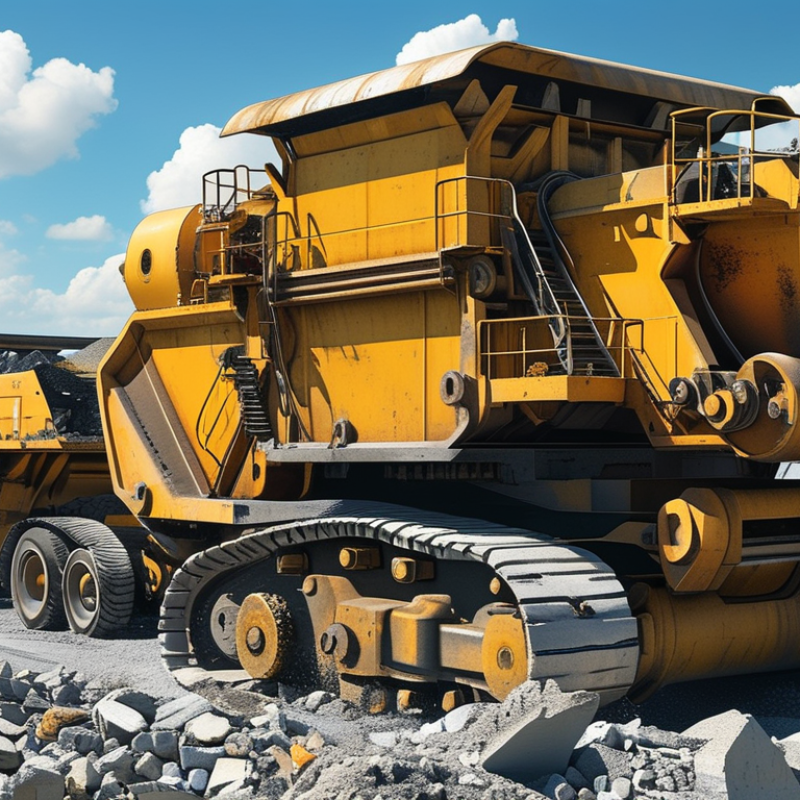
Understanding the Functionality of PC Hammer Crushers
PC hammer crushers are essential machinery in various industries. They are designed to crush and grind materials, like coal, limestone, and granite. Their effectiveness lies in their ability to produce consistent particle sizes, playing a vital role in material processing. According to the International Journal of Mining and Mineral Engineering, a well-functioning hammer crusher can increase production efficiency by up to 30%.
The mechanism of a PC hammer crusher involves hammers that rotate on a shaft. As materials enter the crushing chamber, the hammers strike them rapidly, breaking them down. This action creates a high-speed impact, ensuring uniform size reduction. However, the design and maintenance of these machines significantly affect their performance. A poorly maintained hammer can lead to inefficiencies, including excessive power consumption and unsatisfactory particle sizes.
In many operations, the choice of a hammer crusher can be daunting. It is crucial to consider factors like capacity, material hardness, and required output size. Research indicates that understanding the materials being processed can minimize wear and prolong equipment life. Not every hammer design works for every material. Therefore, evaluating the application and conducting trials can yield valuable insights. Sharing knowledge and experiences between users may lead to improved operational practices and tool selection.
Top 5 Tips for Choosing the Right PC Hammer Crusher
| Tip No. | Tip Description | Key Considerations | Expected Outcome |
| 1 | Determine the required capacity | Evaluate your production needs | Ensure optimal performance and efficiency |
| 2 | Assess the material type to be crushed | Identify hardness and abrasiveness | Choose a crusher with suitable specifications |
| 3 | Consider the energy consumption | Analyze power requirements vs output | Lower operational costs |
| 4 | Inspect safety features | Look for essential safety standards | Enhance workplace safety |
| 5 | Evaluate after-sales services and support | Check warranty and parts availability | Long-term reliability and maintenance |
Evaluating Material Compatibility for Optimal Crushing Performance
When selecting a PC hammer crusher, material compatibility is key. Different materials require different crushing techniques. Understanding the properties of the material you plan to crush is essential for optimal performance. Harder materials may need a more robust crusher, while softer materials can be processed with lighter models.
Evaluating the hardness, moisture content, and size of your material is crucial. For example, if you’re crushing limestone, a standard hammer crusher may suffice. However, for tougher materials like granite, a heavy-duty model ensures better efficiency.
Tip one: Always conduct a test run with your material. This helps identify any compatibility issues early on. Tip two: Review crusher specifications to match them with the material type. Ensure the machine's configuration aligns with your requirements for performance.
You're not just buying equipment; you're investing in long-term productivity. Consider consulting with experts to get tailored advice for your unique situation.
Assessing Power and Capacity Requirements for Your Operations
When selecting a PC hammer crusher, assessing power and capacity requirements is essential. The crusher's output capacity should align with your operational needs. According to industry reports, optimal capacity ranges from 10 to 300 tons per hour. A mismatch can lead to inefficiencies. If the crusher is too small, it may struggle to handle peak loads. Conversely, an oversized unit wastes energy and increases operational costs.
Power requirements are also crucial. Most hammer crushers operate within ranges of 37 kW to 450 kW. Choosing the right power can enhance performance. However, many operators overlook this factor. Selecting a power rating too close to the maximum can lead to frequent breakdowns. Equipment should be sized to handle occasional overloads without risking damage. Documentation from leading manufacturers emphasizes the importance of these standards. Striking the right balance can enhance reliability and productivity.
This is a complex decision that often requires expert analysis. Engaging with industry specialists can provide insights tailored to specific needs. Accurate calculations and assessments make a notable difference in operational success. Do not underestimate the importance of this step; it sets the foundation for efficient production.
Comparing Different Brands and Models for Reliability and Efficiency
When selecting a PC hammer crusher, reliability and efficiency are key considerations. Different brands and models offer unique features, which can significantly impact performance. It's important to review specifications carefully. This includes looking at the materials used in construction and the type of motor integrated into the design. High-quality materials often translate to durability, while efficient motors can enhance energy consumption.
Testing various models in real-world scenarios can reveal their strengths and weaknesses. Some crushers may excel in handling softer materials but struggle with tougher ones. Features like adjustable settings can improve versatility, allowing the machine to adapt to different tasks. Consider the availability of spare parts as well; manufacturers with a solid support network enhance the reliability of their products.
Reading customer reviews can provide insights into long-term performance. However, keep in mind that experiences may vary widely. What works for one user might fall short for another. Evaluating overall user satisfaction can help guide your choice but be cautious of biased opinions. It’s essential to combine multiple sources of information to get an accurate picture. This approach allows for better decisions based on collective experiences and professional insights.
Top 5 Tips for Choosing the Right PC Hammer Crusher
This chart presents the top five factors to consider when selecting a PC hammer crusher, rated on a scale from 1 to 10. Durability is the top priority, followed closely by efficiency and maintenance. Cost and size also play a significant role but are rated lower in importance.
Considering Maintenance and Support Services When Choosing a Crusher
When selecting a PC Hammer Crusher, maintenance and support services are critical factors. A study by the Industrial Machinery Institute reveals that nearly 30% of unplanned downtime in manufacturing is due to equipment failure. This emphasizes the need for reliable maintenance programs. A responsive support team increases operational efficiency. It's vital to understand the service agreements provided by manufacturers.
Consider the availability of spare parts. Research indicates that having easy access to replacement components can reduce troubleshooting times by 40%. An efficient service network ensures that repairs can be completed quickly. Failing to recognize the importance of these aspects could lead to increased production costs and hindered growth.
Moreover, maintenance training for your staff is crucial. According to a report from the International Maintenance Association, properly trained personnel can perform routine checks, reducing reliance on external support. Always inquire about the training programs offered. This investment in knowledge fosters a culture of reliability within your operation. Balancing initial cost with long-term service benefits is key. Make informed choices to secure sustainable production capabilities.



