
Who Are the Top Oxygen Generator Manufacturers in China?

Choosing an Oxygen Generator manufacturer in China requires more than comparing prices or polished product photographs. China has a broad industrial equipment sector, and suppliers may specialize in medical, industrial, or on-site oxygen systems. The right choice depends on the application, required flow rate, oxygen purity, operating pressure, and installation conditions.

“Top” can mean different things. Not just sales volume. A useful comparison considers documented performance, manufacturing experience, quality controls, technical support, and customer references. For a pressure swing adsorption (PSA) system, buyers should check rated capacity and purity under stated operating conditions, not just headline figures. Ask how the unit handles changes in demand, ambient temperature, and routine maintenance. Small details matter.

Reliable suppliers should provide clear technical specifications, operating manuals, and service plans. Good questions reveal a lot. Buyers can also request relevant project examples and confirm that a proposed configuration suits their site. A manufacturer’s claims are useful, but independent verification and transparent documentation offer stronger grounds for confidence. Availability of spare parts and response times deserve attention too, especially where downtime affects daily operations.

This overview introduces leading Chinese manufacturers and the factors that can help distinguish them. It is not a universal ranking: a supplier suited to a hospital may not fit a factory or laboratory. Some comparisons remain imperfect when companies publish different test conditions. Readers should use the shortlist as a starting point, then verify current specifications and support directly with each manufacturer.
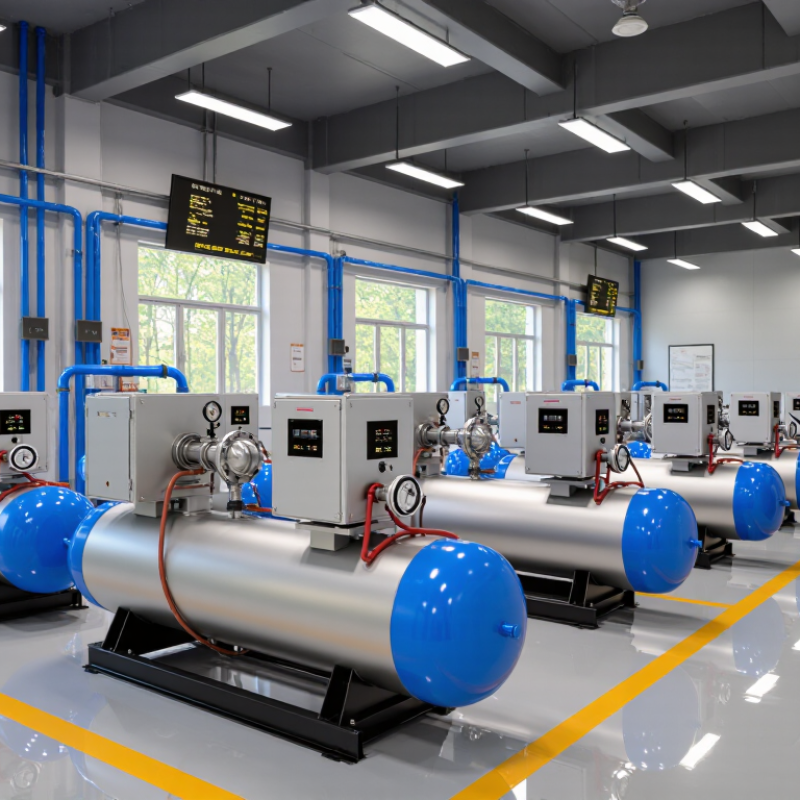
Who Are the Top Oxygen Generator Manufacturers in China?

How Oxygen Generator Manufacturing Is Structured in China

China’s oxygen-generator industry is built around several layers, rather than a single type of factory. Some companies focus on compressors, valves, filters, or molecular-sieve materials. Others integrate these parts into complete pressure swing adsorption systems. The distinction matters. A polished cabinet does not reveal how consistently the equipment performs under changing demand.

System integrators typically select components, design piping and controls, then assemble and test the unit. Testing should check oxygen concentration, flow, pressure, alarms, and operating stability. Buyers can ask for test records under stated conditions, not just a headline purity figure. Small details count: a clogged intake filter or poorly sized pipe can affect output. Medical installations also need suitability checks for their intended use and local requirements.

Manufacturing capacity is only part of the picture. Service teams, spare-parts access, commissioning, and operator training shape long-term reliability. Some suppliers serve industrial processes; others build systems for clinics or larger facilities. These needs are not interchangeable. The picture is not perfectly neat, either: suppliers may outsource key components, and public descriptions rarely show every production step. A careful review should therefore look beyond factory size and compare documented performance, support arrangements, and the exact operating conditions the generator must handle.

What Makes a Chinese Oxygen Generator Manufacturer a Leader

A leading Chinese oxygen generator manufacturer earns trust through repeatable performance, not impressive claims alone. Its engineers should explain how pressure swing adsorption separates oxygen from compressed air and how feed-air quality affects output. Buyers need clear figures for oxygen purity, flow rate, pressure, and power use under stated conditions. Real test records matter. A polished brochure cannot show how a unit behaves after months of continuous operation.

Strong manufacturers also build quality into the details. They check valves, molecular sieve beds, piping joints, and control alarms before shipment. Ask for documented factory tests and a practical maintenance schedule. Good support includes spare-parts guidance and technicians who can interpret operating data, not just send generic instructions. Response time matters. So does honest communication when a system needs adjustment. No production line is flawless, and that is worth acknowledging. A supplier’s handling of a small fault can reveal more than its sales pitch. Site references, process knowledge, and transparent limits help buyers judge whether a generator fits their actual demand.

Leading Oxygen Generator Manufacturers in China

Leading oxygen generator manufacturers in China typically design systems around pressure swing adsorption, or PSA. These units separate oxygen from compressed air using molecular sieve beds. Some manufacturers focus on compact equipment for clinics, while others build larger systems for industrial processes. Their capabilities vary, so “leading” should mean a verified fit, not just a large factory.

Compare oxygen purity, flow rate, outlet pressure, and expected operating hours. Ask for test data at the conditions your site will actually use. A unit may meet its rated output in a clean, cool test room but perform differently in a hot plant with dusty intake air.

Details matter. Check compressor specifications, dryer performance, alarm functions, and access to replacement sieve material. For healthcare use, confirm that the equipment and installation meet applicable local requirements.

Factory audits can reveal practical details: assembly areas, calibration records, and how technicians handle a failed valve. Request commissioning procedures, maintenance schedules, and response-time commitments in writing. A polished brochure is not proof of dependable service. I would also speak with current users, though their experience may not match yours exactly. Comparing quotations is useful, but some specifications are not directly comparable; that part is easy to miss.

Products, Technologies, and Industries Served

China’s oxygen-generator manufacturers offer systems ranging from compact units to large industrial plants. Product choice depends on required flow, oxygen purity, operating hours, and installation conditions. Pressure swing adsorption is common for on-site production, using molecular sieve beds to separate oxygen from compressed air. Some suppliers also provide cryogenic systems for high-volume production. That distinction matters.

Medical facilities, metalworking shops, wastewater plants, and glass factories use oxygen for different reasons. A hospital may need stable output and backup supply, while a furnace operator may prioritize continuous flow and energy use. Food processing and aquaculture can also require controlled oxygen delivery. Small details count. A well-sized unit should match peak demand, not just average consumption. Buyers should check performance data, maintenance intervals, noise levels, and the availability of replacement filters and valves. Ask how purity is measured under changing loads. Commissioning deserves attention, too: poor piping or inadequate ventilation can undermine an otherwise capable system. Supplier claims need verification. Field performance can vary.

Oxygen Purity by Generation Technology

Typical product-purity ranges help compare the technologies used in oxygen-generation systems.

PSA and VPSA systems commonly produce oxygen at about 90–95% purity; cryogenic air separation can produce high-purity oxygen, typically 99.5% or above. Membrane systems produce oxygen-enriched air, commonly around 30–40%, rather than high-purity oxygen. Actual results vary by system design and operating conditions.

How to Compare Manufacturers for Your Requirements

Comparing oxygen generator manufacturers in China starts with your actual operating conditions, not a catalogue headline. Define required oxygen purity, flow rate, outlet pressure, and daily operating hours. A system sized for average demand may struggle when several production lines draw oxygen at once. Ask for performance data at your expected temperature and altitude. Numbers need context. For pressure swing adsorption systems, request clear details about feed-air preparation, cycle controls, and expected maintenance intervals. Check whether quoted output is continuous or peak capacity.

Review test reports, component specifications, and quality certificates, then confirm that each document applies to the proposed system. Ask how purity and flow were measured, and whether testing reflects your operating conditions. Ask for evidence. A factory acceptance test can reveal leaks, unstable readings, or controls that are harder to use than they looked in a presentation.

Service matters too: compare spare-parts availability, technician training, response times, and remote troubleshooting. Speak with reference customers using similar equipment, where possible. A spreadsheet can hide awkward differences; I would leave room for a live demonstration and a few uncomfortable questions. Manufacturers may present attractive savings, but request the assumptions behind energy use and maintenance costs.

Blogs