Top 10 Miniature Circuit Breaker Types for Global Buyers?
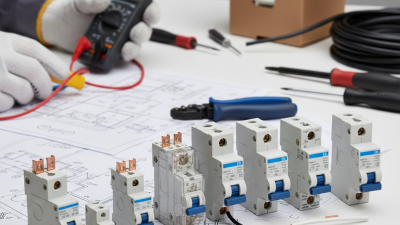
When it comes to electrical safety, miniature circuit breakers (MCBs) play a vital role. These devices are essential in protecting electrical circuits from overloads and short circuits. With the growing demand for efficient energy management, buyers worldwide seek reliable MCB types to suit various applications.
Understanding the different types of miniature circuit breakers is crucial for making informed decisions. Each type has specific features and benefits that cater to diverse needs. Manufacturers develop these devices with advanced technology, ensuring enhanced performance and safety. However, it's important to note that not all MCBs are created equal. Quality and compatibility issues can arise, making careful selection essential.
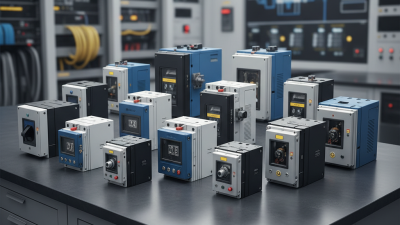
Exploring the top 10 miniature circuit breaker types reveals a wealth of options. From residential uses to industrial applications, each type serves unique functions. Buyers should consider factors such as current ratings, tripping characteristics, and brand reputation. By doing so, they can avoid costly mistakes and ensure the longevity of their electrical systems.
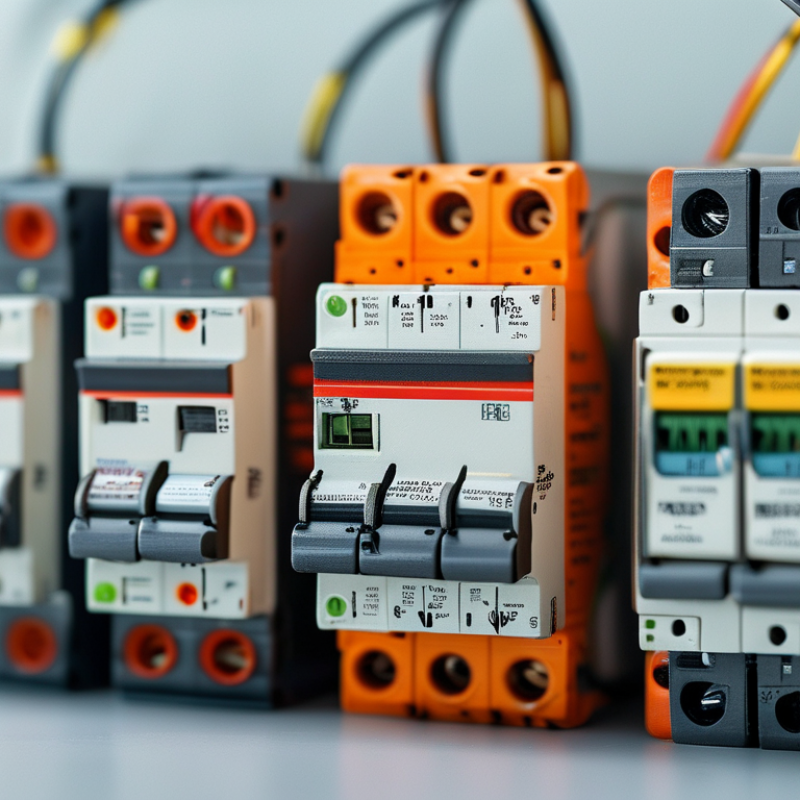
Understanding Miniature Circuit Breakers and Their Importance
Miniature circuit breakers (MCBs) play a crucial role in protecting electrical circuits. They automatically switch off in overload or short-circuit situations, preventing damage to appliances and reducing fire risks. Understanding MCBs is essential for anyone involved in electrical work.
When choosing MCBs, consider their application. Types vary based on current ratings and trip characteristics. Different environments may require unique features. For instance, industrial settings often need more robust devices than residential applications. A thorough understanding of these differences can significantly improve safety and performance.
Tips: Always consult professionals when installing MCBs. Their expertise ensures proper selection and placement. Regular inspections are vital too. Even small defects can lead to serious failures. Ultimately, prioritizing safety in electrical systems will save time and resources.
Types of Miniature Circuit Breakers: A Comprehensive Overview
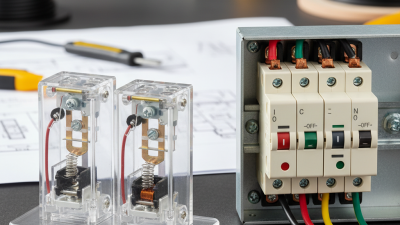
Miniature circuit breakers (MCBs) are essential components in electrical systems. They protect circuits from overload and short circuits, ensuring safety. Understanding MCB types is crucial for effective application in various settings.
There are several types of MCBs. B-type MCBs are common in residential applications for general lighting and power. These trip at short circuit currents ranging from 3 to 5 times the rated current. C-type MCBs are suitable for circuits with inductive loads, such as motors. They trip at 5 to 10 times the rated current. D-type MCBs, on the other hand, can handle higher inrush currents, ideal for transformers and large motors.
Choosing the right MCB requires careful consideration. Load characteristics and application type are vital. Buyers often overlook compatibility with existing systems. It is common to see mismatched ratings in installations, leading to unnecessary failures. This highlights the importance of knowledgeable selection. Always consult guidelines to ensure optimal performance and safety.
Top 10 Miniature Circuit Breaker Types for Global Buyers
| Type |
Voltage Rating (V) |
Current Rating (A) |
Breaking Capacity (kA) |
Applications |
| Single Pole (SP) |
230 |
6, 10, 16, 20, 25 |
6 |
Residential |
| Single Pole + Neutral (SPN) |
230 |
6, 16, 20 |
6 |
Lighting Circuits |
| Double Pole (DP) |
230 |
20, 30, 32 |
6 |
Heavy Appliances |
| Triple Pole (TP) |
400 |
32, 40, 63 |
10 |
Industrial Equipment |
| Four Pole (4P) |
400 |
40, 63 |
10 |
Three-phase Circuits |
| Type B |
230/400 |
6, 10, 16 |
3 |
Domestic Applications |
| Type C |
230/400 |
10, 16, 20 |
5 |
Commercial Applications |
| Type D |
230/400 |
16, 20, 32 |
10 |
Industrial Machinery |
| RCBO (Residual Current Circuit Breaker with Overcurrent Protection) |
230 |
6, 10, 16, 25 |
6 |
Protection Against Earth Faults |
| MCB with Surge Protection |
230 |
10, 16, 20 |
6 |
Sensitive Electronic Equipment |
Key Features to Consider When Choosing Miniature Circuit Breakers
When selecting miniature circuit breakers (MCBs), several key features demand attention. Start with the breaking capacity. It indicates how much current the MCB can safely interrupt. A higher capacity often leads to better reliability.
Another crucial aspect is the trip characteristics. MCBs come in various types: B, C, and D, each suited for different applications. Type B is ideal for residential spaces, while type C fits commercial environments. Type D handles inductive loads, such as transformers.
Consider the mounting style as well. DIN rail mount is common for easy installation in distribution boards. Check the physical dimensions to ensure proper fit. Additionally, the terminal connection method matters; screw terminals and push-in terminals offer different levels of convenience and reliability. Lastly, seek certifications that ensure safety and quality standards, reflecting the product's trustworthiness in installations.
Top Miniature Circuit Breaker Brands Popular Among Global Buyers
When selecting miniature circuit breakers (MCBs), global buyers often prioritize reliable brands. The right MCB can safeguard electrical circuits effectively. Leading manufacturers typically specialize in specific features like surge protection and compatibility with various electrical systems. Buyers appreciate options that offer both affordability and dependability.
Tips: Always consider the specifications. Ensure the MCB ratings match your circuit requirements. This attention to detail can prevent future electrical issues.
Durability is another important factor. MCBs must withstand environmental conditions and frequent use. Some brands are known for their long-lasting performance, while others may fail prematurely. Research customer feedback to learn about real-world reliability.
Tips: Don’t skip installation guidance. Proper installation impacts MCB efficiency. Misconfigurations can lead to circuit failures or safety hazards. Always consult a professional if unsure about installation procedures.
Top 10 Miniature Circuit Breaker Types for Global Buyers
Installation and Maintenance Tips for Miniature Circuit Breakers
When it comes to installing miniature circuit breakers (MCBs), attention to detail is crucial. Proper installation ensures that electrical systems function effectively and safely. A key point is to ensure that MCBs are installed in accordance with local regulations. According to a recent industry report, improper installation can lead to failures in 25% of MCBs, resulting in significant safety risks.
Maintenance is equally important. Regular checks can detect issues early. Experts recommend inspecting MCBs at least once every six months. During inspections, look for signs of wear and overheating. A National Fire Protection Association (NFPA) report indicated that up to 30% of electrical incidents stem from faulty breakers. Simple steps, like cleaning terminals and ensuring tight connections, can prolong the life of these devices.
In some cases, installation environments can vary significantly. Factors like humidity and dust can impact MCB performance. Ensuring adequate ventilation is essential to prevent overheating. Additionally, consider the load calculations. Many users overlook this, leading to overload and potential failure.