Top 10 Farm Tractor Tips for Global Buyers in 2026?
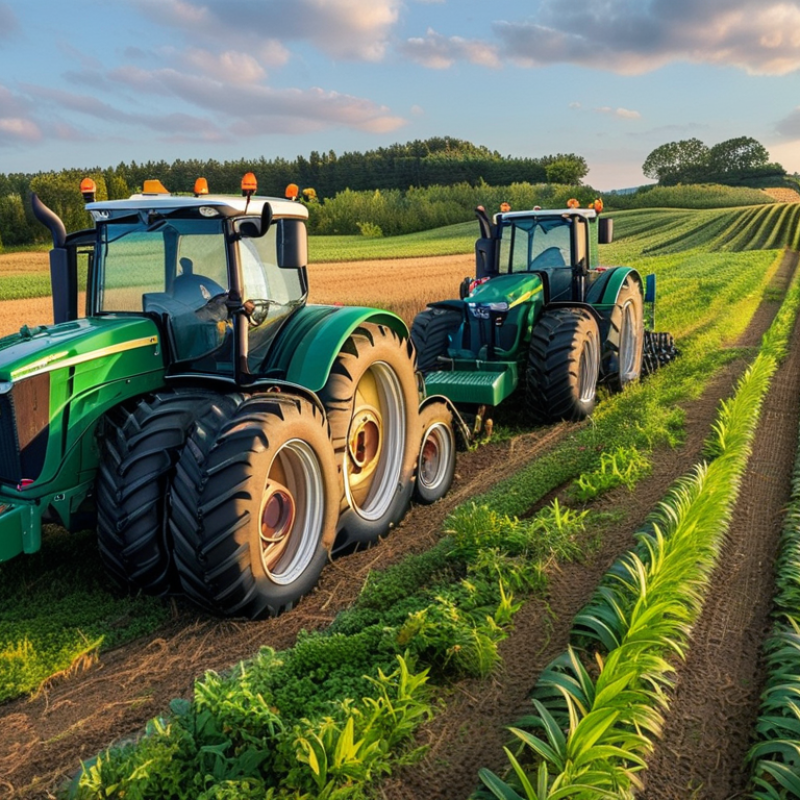
As we move towards 2026, purchasing a Farm Tractor requires careful consideration and expert insights. The global agricultural market is shifting rapidly. Buyers must stay informed about new trends and technologies that can enhance productivity.
Farm tractors have become integral to modern farming. Choosing the right model can significantly impact operations. It's not just about price. Factors such as efficiency, maintenance costs, and features are crucial. Many buyers often overlook the importance of reliable after-sales support.
Understanding local terrain and specific farming needs is essential too. Each region demands different capabilities from a farm tractor. A one-size-fits-all approach may lead to regret. Trends suggest that more versatile tractors are becoming popular. Yet, many farmers still cling to outdated models. Reflecting on these decisions is vital for long-term success.
Understanding Different Types of Farm Tractors in 2026
When considering farm tractors in 2026, understanding the various types is crucial for making informed decisions. Tractors today come in multiple forms, each tailored for specific agricultural tasks. Compact tractors are ideal for small farms and landscaping. They are versatile, easy to maneuver, and perfect for tight spaces. On the other hand, utility tractors are larger and designed to handle bigger tasks, such as plowing or hauling heavy loads.
Specialty tractors are gaining traction in niche markets. These machines are tailored for unique farming needs, like vineyard management or orchard cultivation. They often come with specialized attachments, boosting efficiency in specific tasks. In contrast, high-horsepower tractors are essential for large-scale farming. They are powerful, but their size can be overwhelming for new farmers. Each tractor type has its pros and cons, requiring careful consideration of the farm's specific needs.
In 2026, technology integration in tractors is becoming a game changer. Autonomous tractors can operate with minimal human intervention. However, they also raise concerns about job reliability in the farming sector. As buyers explore their options, they should weigh the benefits against potential downsides. Familiarizing oneself with different types of tractors is essential, as what works for one farm may not suit another.
Top 10 Farm Tractor Tips for Global Buyers in 2026
| Type of Tractor | Power Range (HP) | Best Use Cases | Average Price Range (USD) | Recommended Maintenance Frequency |
| Compact Tractors | 20 - 60 HP | Gardening, Landscaping, Small Farms | $15,000 - $30,000 | Every 100 hours |
| Utility Tractors | 40 - 100 HP | General Farming, Towing, Loader Work | $25,000 - $50,000 | Every 200 hours |
| Row Crop Tractors | 100 - 250 HP | Crop Farming, Plowing, Planting | $50,000 - $150,000 | Every 300 hours |
| 4WD Tractors | 150 - 600 HP | Heavy Duty Tasks, Large Scale Farming | $100,000 - $300,000 | Every 500 hours |
| Specialty Tractors | 20 - 200 HP | Fruit Trees, Vineyards, Uneven Terrain | $20,000 - $80,000 | Every 150 hours |
| Garden Tractors | 10 - 30 HP | Residential/Yard Work, Light Landscaping | $1,500 - $10,000 | Every 50 hours |
| Orchard Tractors | 25 - 100 HP | Orchards, Vineyards | $30,000 - $70,000 | Every 200 hours |
| Garden Tractors | 20 - 50 HP | Heavy Yard Work, Snow Removal | $10,000 - $20,000 | Every 100 hours |
| Crawler Tractors | 50 - 200 HP | Construction, Land Clearing | $30,000 - $100,000 | Every 300 hours |
| Electric Tractors | 30 - 100 HP | Sustainable Farming, Light Duty | $25,000 - $60,000 | Every 200 hours |
Key Features to Consider When Buying a Tractor Globally
When purchasing a tractor globally in 2026, consider essential features. Engine power remains a crucial factor. As per the 2023 Global Agricultural Equipment Report, 60% of farmers prioritize horsepower for efficiency. A tractor with a minimum of 100 HP can support larger farming operations.
Transmission type also plays a significant role. Many buyers lean toward automatic transmissions for ease of use. They reduce operator fatigue during long hours. According to industry surveys, nearly 70% of users find automatic systems enhance productivity. However, the trade-off is often in maintenance costs, which can be higher than manual options.
Additionally, consider attachments compatibility. A tractor should easily connect to various implements. This flexibility is vital for diverse agricultural tasks. Reports indicate that 40% of buyers overlook this aspect, leading to costly modifications later. It's important to reflect on real-world usage scenarios. Often, expectations do not align with actual needs, particularly for smaller farms.
Evaluating Tractor Performance: What to Look For
When evaluating tractor performance, several key factors come into play. First, consider the engine capacity. A robust engine ensures reliable power, especially under heavy loads. Look for tractors with efficient fuel consumption. This will save costs in the long run. Pay attention to horsepower, as it directly affects your productivity in the field.
Next, examine the tractor’s stability and maneuverability. Wider wheelbases can enhance stability on uneven terrain. Test how the tractor handles turns and slopes. Operator comfort also matters. A comfortable seat and ergonomic controls can reduce fatigue during long hours of work.
Tips for potential buyers: prioritize tractors with good customer support. Reliable service can save time and money on repairs. Additionally, research user reviews to gain insights about long-term performance. Don’t overlook the resale value; it reflects the tractor's durability. Finally, consider the tractor's compatibility with attachments and accessories for improved versatility on your farm.
Top Brands and Manufacturers of Farm Tractors in 2026
When considering farm tractors in 2026, understanding key brands and manufacturers is vital. Each brand has unique strengths that cater to different farming needs. Many reputable manufacturers are focusing on sustainability. They are investing in greener technologies and efficient machinery that aligns with global trends. This shift is essential for modern agriculture.
For buyers, balancing budget and efficiency is crucial. Researching reliability and user reviews can provide valuable insights. Buyers should also assess after-sales support. Strong support from manufacturers ensures smoother operations in the long run. Owning advanced equipment without proper service could lead to costly downtime.
One practical tip is to visit local farms using different tractors. Observing these machines in action helps buyers understand performance in real conditions. Engaging with experienced operators can offer practical knowledge that no brochure can provide. Every farmer has unique requirements; hence, finding the right match is necessary. Being thorough in research will lead to better choices. Remember, each decision shapes the future of your farm.
Financing Options for Global Tractor Buyers: A Guide
When considering financing options for farm tractor purchases in 2026, understanding the landscape is crucial. A recent industry report notes that nearly 65% of global tractor buyers often require financing. As farming practices evolve, so do the financing solutions available. Traditional loans, leasing options, and innovative financing structures are becoming more accessible for buyers.
Many buyers overlook the importance of researching loan terms. Short-term loans may offer lower initial costs, but they could lead to higher long-term expenses. It's essential to assess the hidden costs of financing agreements. The average interest rate for agricultural loans can range from 3% to 6%, depending on market conditions and borrower creditworthiness. Understanding these rates can help buyers make informed decisions.
Tractor financing is not always straightforward. Buyers may face hurdles due to fluctuating agricultural markets. Additionally, varying credit requirements can complicate the process. It's vital to consult with financial experts who can provide insights tailored to specific needs. Accessing funds may require a thorough credit evaluation and documentation. This can sometimes feel daunting, but it's a necessary step toward securing the best financing deal.