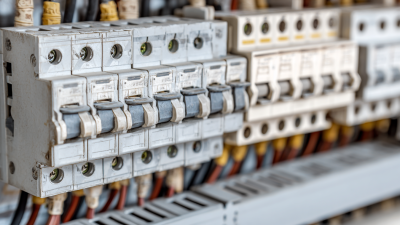
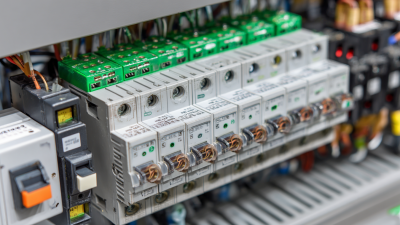
Top 10 Electric Circuit Breakers for Home and Industrial Use

In the realm of electrical safety, the importance of choosing the right electric circuit breaker cannot be overstated. These devices play a crucial role in protecting both residential and industrial electrical systems from overloads and short circuits. As noted by electrical engineering expert Dr. Sarah Thompson, "The right electric circuit breaker is not just an investment in equipment; it's an essential safeguard for lives and properties." Her insights underscore the critical nature of selecting a breaker that meets specific operational needs while adhering to safety standards.

In this article, we explore the top 10 electric circuit breakers that cater to various applications. From compact models ideal for home use to robust systems designed for industrial environments, understanding the features and benefits of these devices is vital for informed decision-making. With advancements in technology, modern electric circuit breakers offer enhanced functionality, such as smart features that provide real-time monitoring. Therefore, it is essential to evaluate your options and make a choice that aligns with both safety requirements and operational efficiency.
Top 10 Electric Circuit Breakers for Home and Industrial Use

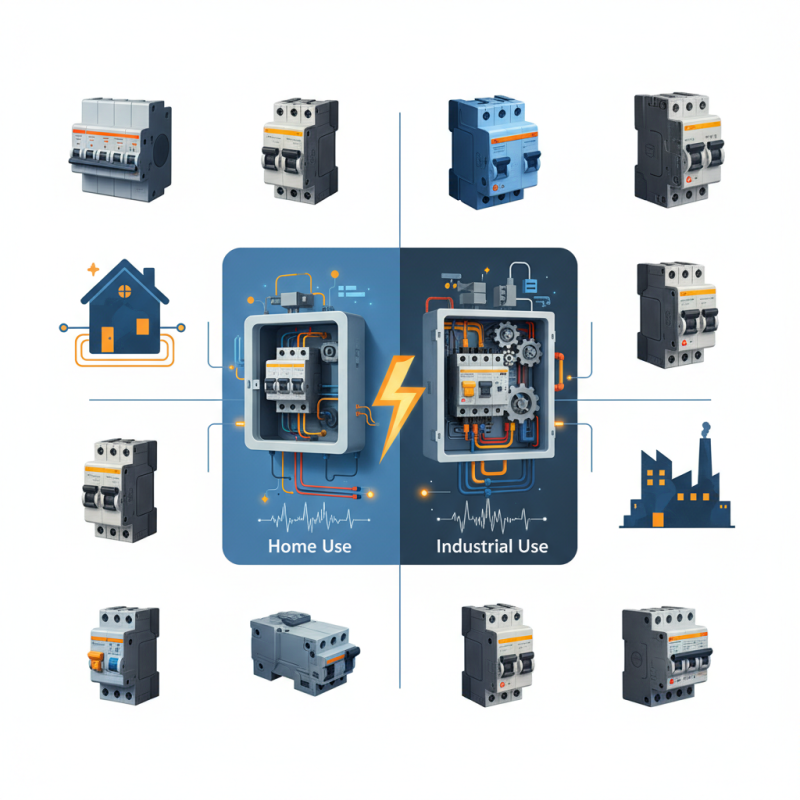
Types of Electric Circuit Breakers for Residential and Industrial Applications
Top 10 Electric Circuit Breakers for Home and Industrial Use

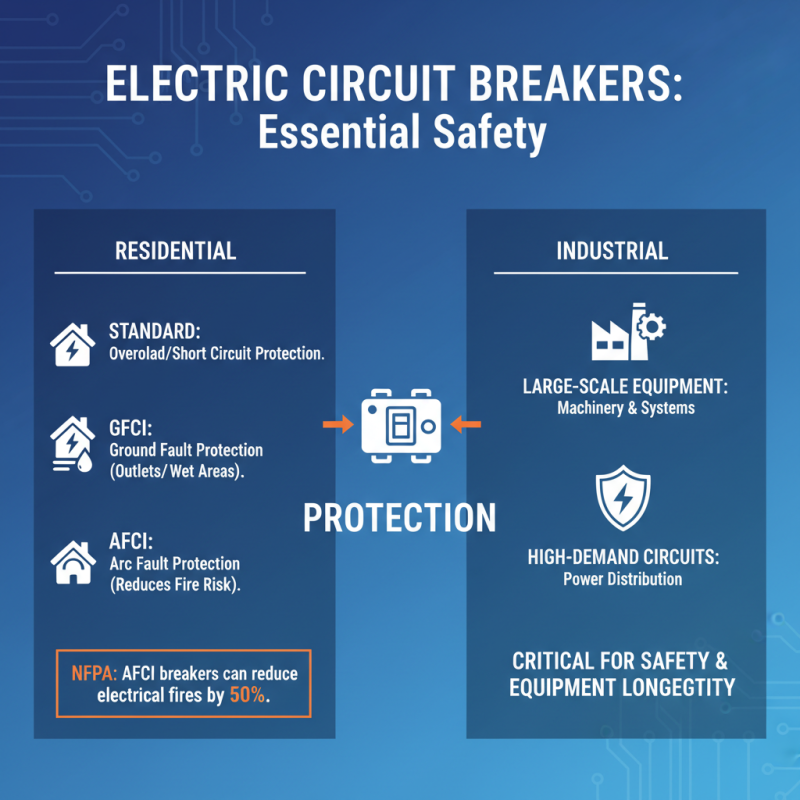
Electric circuit breakers play a crucial role in both residential and industrial applications, serving as essential safety devices designed to protect electrical circuits from overloads and short circuits. In residential settings, circuit breakers come in various types such as standard, GFCI (Ground Fault Circuit Interrupter), and AFCI (Arc Fault Circuit Interrupter) breakers. According to the National Fire Protection Association (NFPA), homes equipped with AFCI breakers can help reduce the risk of electrical fires by up to 50%, showcasing their effectiveness in preventing dangerous electrical faults.

In industrial environments, the requirements for circuit breakers intensify due to higher operational demands and potential hazards. Types such as thermal-magnetic, electronic, and hydraulic magnetic circuit breakers are frequently employed to ensure robust protection against overcurrent and fault conditions. Industry reports indicate that electronic circuit breakers, with their advanced trip settings and diagnostic capabilities, have seen an increase in adoption rates, offering precise protection and monitoring functionalities. The global electric circuit breaker market is projected to grow at a CAGR of approximately 6% from 2021 to 2026, driven by increasing infrastructure development and the rising demand for smart grid technologies in both residential and industrial sectors. This progressive shift underscores the importance of choosing the appropriate type of circuit breaker based on the specific needs and applications.
Key Features to Consider When Selecting Circuit Breakers

When selecting circuit breakers, several key features should be carefully considered to ensure safety and efficiency in both home and industrial applications. First and foremost, the breaking capacity is crucial; it indicates the maximum fault current a breaker can interrupt without failing. Choosing a breaker with the appropriate breaking capacity for the specific electrical system is essential to prevent potential hazards like electrical fires or equipment damage. It's also important to look at the voltage rating; a circuit breaker must match or exceed the operating voltage of the system to ensure reliable performance.

Another significant factor is the trip characteristics of the circuit breaker. This feature determines how quickly the breaker will disconnect when it detects an overload or short circuit. There are different types of trip settings, including thermal, magnetic, and combination types, and understanding these options can help in selecting the right breaker for your specific application.

Additionally, consider the physical size and mounting type of the breaker, especially for installations where space is limited. Lastly, ensure that the selected circuit breaker complies with relevant standards and regulations to ensure safety and efficiency in operation.

Top Brands and Manufacturers of Electric Circuit Breakers

When it comes to electric circuit breakers, various brands and manufacturers stand out in the market, offering a wide range of products suitable for both home and industrial use. These companies prioritize safety, reliability, and innovation, ensuring their circuit breakers meet rigorous standards and performance expectations. Many of the leading brands have established reputations for quality and have been serving the electrical industry for decades. They invest heavily in research and development, continually improving their technologies to provide increased protection against electrical faults.

In addition to traditional circuit breakers, these top manufacturers often offer advanced options, such as smart circuit breakers that integrate with home automation systems. This evolution in technology not only enhances user convenience but also contributes to energy management and efficiency. With a variety of models catering to different needs, including single-pole, double-pole, and Ground Fault Circuit Interrupters (GFCIs), consumers can find products tailored to residential requirements or robust solutions for industrial applications. The commitment to quality and safety from these top brands ensures that both homeowners and businesses can operate with peace of mind, knowing they are protected by dependable circuitry.

Top 10 Electric Circuit Breakers Sales Volume

This bar chart displays the sales volume in units of the top 10 types of electric circuit breakers. The data showcases the demand across different types and highlights the most popular options available both for home and industrial use.

Comparative Analysis of Performance and Reliability

When evaluating electric circuit breakers for both home and industrial applications, performance and reliability are paramount. A reliable circuit breaker must not only interrupt electrical circuits during overloads or faults but also ensure that it can withstand frequent operational cycles without degrading. Factors such as trip time, fault current ratings, and operational longevity play critical roles in determining how effectively a circuit breaker performs under pressure. Breakers with rapid trip responses minimize potential damage and safety hazards, making them essential in industrial settings where machinery can be sensitive to fluctuations in electrical supply.

The comparative analysis of performance also extends to the technology employed in circuit breakers, such as thermal-magnetic versus electronic trip mechanisms. While thermal-magnetic breakers provide excellent protection in residential applications, electronic variants offer advanced features such as adjustable trip settings and real-time monitoring, which are valuable in complex industrial frameworks. Reliability is further bolstered by regular testing and adherence to industry standards, ensuring that circuit breakers function optimally in various environmental conditions. By understanding these performance metrics, users can select the most suitable circuit breakers that not only meet their immediate needs but also provide long-term safety and efficiency.

Top 10 Electric Circuit Breakers for Home and Industrial Use - Comparative Analysis of Performance and Reliability

Model Type Rated Current (A) Voltage Rating (V) Breaking Capacity (kA) Response Time (ms) Warrantly (Years) Performance Rating
Model A Miniature Circuit Breaker 16 230 6 20 5 High
Model B Earth Leakage Circuit Breaker 32 400 10 30 3 Medium
Model C Residual Current Device 25 230 7 15 4 High
Model D Air Circuit Breaker 100 690 25 50 10 Medium
Model E Dual Function Breaker 50 400 15 10 6 High
Model F Hydraulic Magnetic Breaker 63 230 12 25 5 Medium
Model G Smart Circuit Breaker 40 400 18 15 7 High
Model H Resettable Circuit Breaker 10 230 5 20 2 Medium
Model I Fuse-type Circuit Breaker 80 400 20 15 5 High
Model J Modular Circuit Breaker 20 230 8 25 4 Medium

Installation and Maintenance Tips for Electric Circuit Breakers

Top 10 Electric Circuit Breakers for Home and Industrial Use

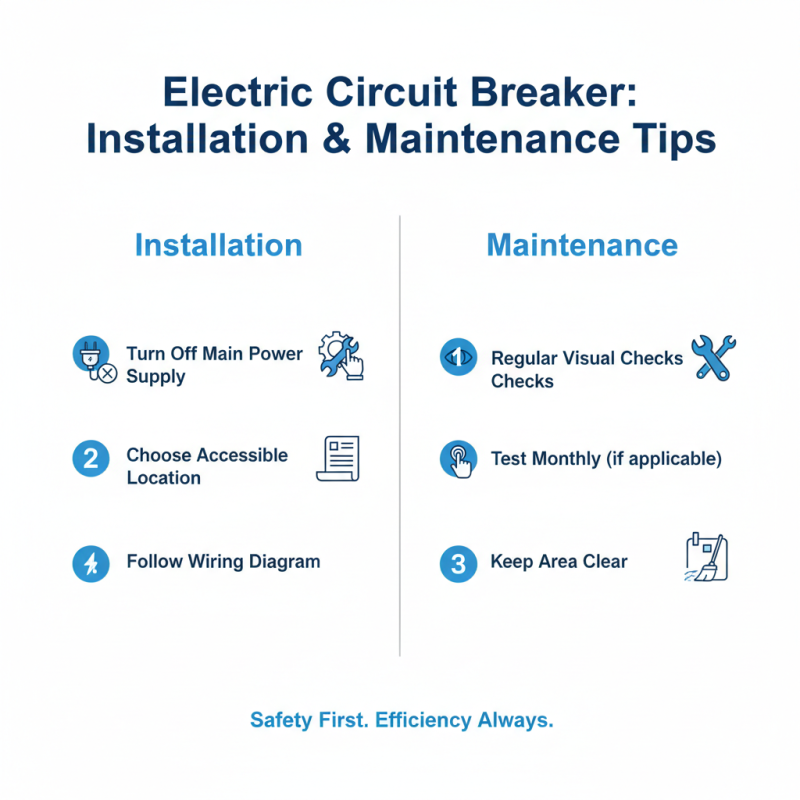
When it comes to installing and maintaining electric circuit breakers, attention to detail is paramount to ensure safety and efficiency. One of the key tips for installation is to always turn off the main power supply before beginning any work. This not only protects you from electrical shock but also ensures that you do not damage the circuit breaker during installation. Additionally, make sure to choose a location that is easily accessible, allowing for quick maintenance checks and emergency shut-offs when necessary.

Regular maintenance is crucial for the longevity of electric circuit breakers. It's advisable to conduct routine inspections at least once a year, checking for signs of wear and tear, rust, or any unusual noises. If any circuits trip frequently or show signs of overheating, it may indicate a problem that needs immediate attention. Always keep the breaker clean and free from dust accumulation, as dirt can impact performance and lead to overheating.

Another useful tip is to familiarize yourself with the tripping mechanisms and settings of your circuit breakers. Understanding these can help you quickly diagnose issues and take appropriate action. In case of any uncertainties during installation or maintenance, consulting with a licensed electrician is advisable to ensure everything is up to code and functioning properly.

Blogs