Top Control Components You Need to Know About?
In the world of automation, understanding "Control Components" is essential. Jim Parker, a leading expert in control systems, once noted, "Control components are the backbone of efficient automation." His insight highlights the critical role these components play in various industries.
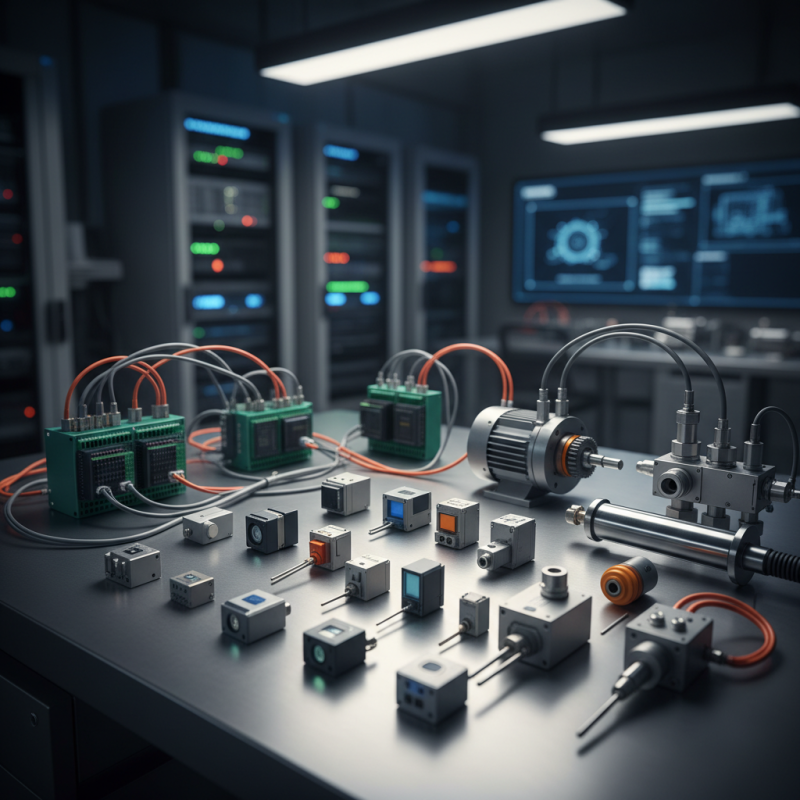
Control components can include sensors, actuators, and controllers. Each part serves a unique purpose that contributes to a larger system. For instance, sensors detect changes in the environment and send data to controllers. Actuators then execute commands to achieve desired actions. This seamless communication is vital for efficiency.
However, navigating this landscape isn't always straightforward. Many users overlook the importance of selecting the right components for their specific needs. This oversight can lead to inefficiencies and increased costs. Understanding the intricacies of control components requires careful consideration and awareness of potential pitfalls. It is through this lens that we can appreciate the significance of each element in a control system.
Understanding Control Components: A Brief Overview
Control components play a vital role in various systems. They manage and direct the flow of processes. Understanding these components can enhance both efficiency and effectiveness. There are several key types to consider.
Actuators are one such component. They convert energy into motion. This can be electric, hydraulic, or pneumatic. Their role is crucial in automation. For example, a simple valve actuator regulates fluid flow. A malfunction can lead to system failures. Regular maintenance is essential to avoid this.
Sensor technology also falls under control components. Sensors gather data from the environment. They measure temperature, pressure, or speed. This information guides the control process. However, not all sensors provide accurate readings. Calibration issues are common. It's vital to check sensor functionality frequently.
**Tips:** Always monitor component performance. A small check can prevent major breakdowns. Keep spare parts on hand. It's better to be prepared than face delays.
Types of Control Components in Modern Systems
Control components play a key role in modern systems. They help manage processes and maintain stability. Here are some essential types of control components you should know about.
Sensors are crucial for data collection. They monitor variables like temperature and pressure. Sensors convert physical attributes into signals. These signals guide decisions in systems. You can find them in various applications, from home automation to industrial settings.
Actuators follow the commands from control systems. They produce motion or control a mechanism. Examples include motors and valves. When systems need precise movements, actuators step in. They can be electric, hydraulic, or pneumatic. Each type has unique advantages. You might face challenges in choosing the right one for a task.
Tip: Always assess the environment where components will operate. Conditions like humidity and temperature matter.
Controllers analyze sensor data and make decisions. They regulate system output based on input. Programmable logic controllers (PLCs) and microcontrollers are common types. However, they can be complex. Proper programming is essential. A mistake can lead to system failure.
Tip: Regularly update software for controllers. Outdated software can create vulnerabilities.
Key Functions and Operations of Control Components
Control components play a vital role in various systems, ranging from industrial machinery to electronic devices. Their main functions include regulating, monitoring, and controlling processes. A key operation of these components is feedback. Feedback loops adjust system performance based on output. If something doesn’t work, it alters the input to produce a desired result. This constant adjustment can be tricky, as incorrect feedback might lead to instability.
Another essential function is signal processing. Control components often convert signals from one form to another. For example, sensors detect environmental changes, then transmit signals for processing. This process enables systems to react to their surroundings. However, noisy signals can disrupt functionality, leading to malfunctions. Designing for noise reduction is crucial.
It’s also important to consider performance limitations. Some components may not perform well under all conditions. Factors like temperature changes or wear can affect efficiency. Understanding these limitations is essential when selecting components for specific tasks. Striving for perfection in design can be challenging but rewarding. Experimentation often reveals unexpected results worth reflecting on.
Top Control Components You Need to Know About
The following bar chart illustrates the key functions and operations of various control components, highlighting their typical usage in industrial applications.
Selection Criteria for Effective Control Components
When selecting effective control components, several criteria should be considered. The type of application is crucial. For instance, temperature and pressure control might require different specifications. Failure to match components can lead to inefficiencies and, ultimately, increased costs.
Reliability is another significant factor. A study revealed that up to 30% of industrial control failures stem from component issues. This highlights the importance of choosing high-quality materials and designs. Furthermore, compatibility with existing systems is vital. Mismatched components can create operational disruptions. Always evaluate the technical data provided by manufacturers.
Additionally, energy efficiency is increasingly a priority. A report indicated that energy consumption in control systems can account for up to 40% of operational costs. Selecting components that prioritize energy efficiency can result in substantial savings. However, it’s essential to balance efficiency with performance. Sometimes, achieving the best energy results may require compromising on immediate performance metrics. This dilemma reflects the complexity of making informed choices in control component selection.
Top Control Components You Need to Know About? - Selection Criteria for Effective Control Components
| Component Type | Functionality | Key Selection Criteria | Usage Examples |
| PID Controller | Maintains desired output by correcting error | Response time, stability, tuning ease | Temperature control in ovens |
| Relay | Electromechanical switch for controlling circuits | Contact rating, coil voltage, response time | Automated lighting systems |
| Variable Frequency Drive (VFD) | Controls motor speed and torque | Input power, control method, cooling method | Pumping and HVAC applications |
| Smart Switch | Provides remote control of electrical devices | Connectivity, compatibility, ease of use | Home automation systems |
| Opto-Isolator | Transfers electrical signals using light waves | Isolation voltage, transfer ratio, speed | Signal processing circuits |
Future Trends in Control Component Technology
The future of control component technology is evolving rapidly. Emerging trends focus on miniaturization and integration. Components are becoming smaller yet more powerful. This shift allows for better performance in confined spaces, like drones and robots. These advancements can enhance efficiency, but they come with challenges. As components shrink, heat management becomes critical. Ensuring optimal performance will require innovative cooling solutions.
Another trend is the rise of AI and machine learning in control systems. These technologies can analyze data in real-time for improved decision-making. However, reliance on automation raises concerns. Human oversight remains essential to prevent possible failures in critical applications. The data-driven nature of AI also introduces privacy considerations. Developers need to address these issues head-on to build user trust.
Sustainability is also gaining momentum. There is a push for eco-friendly materials in manufacturing. This not only reduces environmental impact but also ensures compliance with green regulations. Balancing innovation with sustainability is no easy task. The industry must find ways to innovate while being responsible. Emerging technologies hold promise, but potential drawbacks also require careful evaluation.



