Top 5 CNC Milling Machines for Global Buyers 2026?
As the manufacturing landscape evolves, selecting the right Cnc Milling Machine becomes crucial for global buyers. These machines play a significant role in precision machining, impacting product quality and production efficiency. In 2026, the market will see innovative designs and advanced technology, making the selection process both exciting and challenging.
Understanding the latest trends in CNC milling machines is essential. Buyers need to consider factors like material compatibility, operational speed, and ease of use. Each machine has its strengths and weaknesses, emphasizing the need for careful evaluation. What works for one manufacturer might not suit another.
An informed choice can lead to superior outcomes in production. However, many buyers overlook key features or rush decisions. These mistakes can lead to subpar performance or costly delays. It’s essential to reflect on what truly matters when investing in a CNC milling machine. By prioritizing quality and reliability, global buyers can secure their competitive edge in the market.
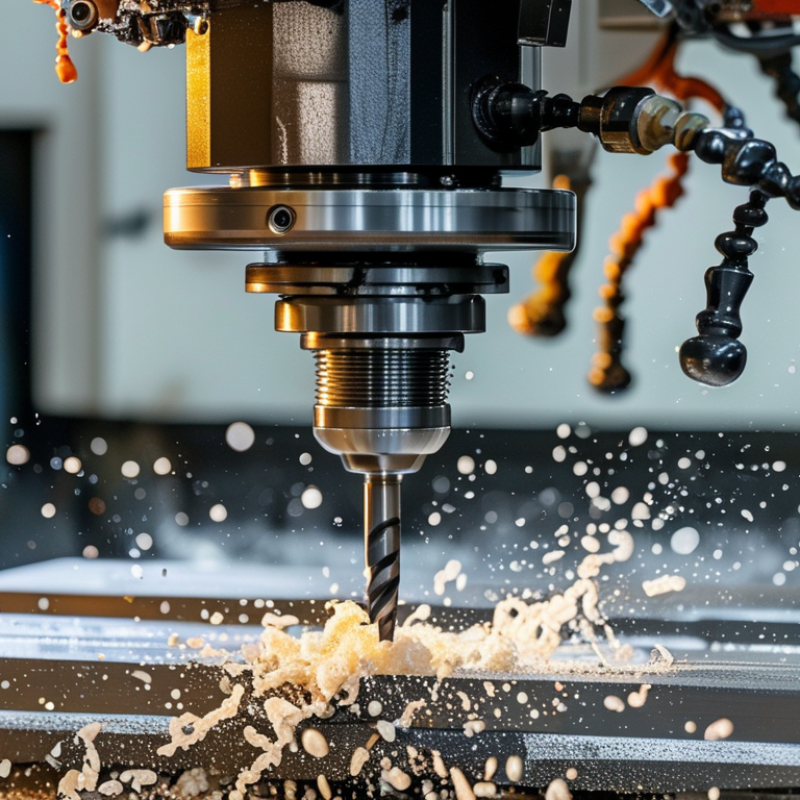
Top 5 CNC Milling Machines: An Overview of 2026 Market Trends
As we look ahead to the CNC milling machine market in 2026, notable trends reveal a dynamic landscape. According to a report by Market Research Future, the global CNC milling machine market is expected to grow at a compound annual growth rate (CAGR) of 6.12% from 2021 to 2026. This growth stems from increased automation demands across various sectors, particularly in aerospace and automotive industries.
The integration of smart technologies plays a vital role. Advanced CNC machines now utilize IoT capabilities and AI algorithms, enhancing precision and efficiency. A study by Fortune Business Insights highlights that around 55% of manufacturers are investing in smart technology to improve operational efficiency. However, the high initial investment costs can pose challenges for small to medium enterprises.
Sustainability remains another critical focus. Many manufacturers are striving to implement eco-friendly practices and energy-efficient machines. Reports indicate that approximately 30% of market players are actively seeking greener alternatives. Yet, the path to sustainability is fraught with complexities, as not all machines can easily adapt to new eco-friendly technologies. Balancing innovation while ensuring affordability and sustainability will be a key challenge going forward.
Top 5 CNC Milling Machines for Global Buyers 2026
| Machine Model | Max Speed (RPM) | Table Size (mm) | Power (kW) | Weight (kg) |
| Model A | 12000 | 600 x 300 | 5.5 | 1200 |
| Model B | 10000 | 800 x 400 | 7.5 | 1500 |
| Model C | 15000 | 1000 x 500 | 10 | 1800 |
| Model D | 9000 | 700 x 350 | 6 | 1300 |
| Model E | 11000 | 650 x 350 | 8 | 1400 |
Key Features of Leading CNC Milling Machines for Global Buyers
When considering CNC milling machines, certain key features stand out. Precision is critical. A machine that offers high accuracy ensures that parts are manufactured to exact specifications. This is vital for industries like aerospace and automotive. Buyers should look for machines with tight tolerances and advanced control systems.
Another crucial feature is versatility. Machines capable of handling various materials increase value for manufacturers. Aluminum, steel, and composites require different settings and capabilities. Buyers need a machine that adapits seamlessly across this spectrum.
Efficiency plays a major role too. Machines with faster setup times can significantly reduce production delays. Automated features, such as tool changers, add to this efficiency. However, it's important to reflect on maintenance needs. High-tech features often require regular upkeep, which can be a hidden cost.
Investing in a CNC milling machine is more than just a purchase; it's a commitment to quality and productivity. Understanding these key features helps buyers make informed decisions. Balancing performance with reliability is essential for maximizing return on investment.
Top 5 CNC Milling Machines for Global Buyers 2026
This chart illustrates the cutting speeds of the top 5 CNC milling machines highlighted for global buyers in 2026. Each machine's speed capability is represented to aid in comparison and selection.
Technical Specifications: What to Look for in CNC Milling Machines
When selecting a CNC milling machine, buyers should focus on several critical technical specifications. Pay attention to the machine's spindle speed, which often ranges from 10,000 to 30,000 RPM. Higher speeds allow for better precision in machining. Additionally, consider the machine's feed rate, as a standard range is about 200 to 1,500 mm/min. This directly impacts productivity and efficiency.
The rigidity of the machine frame is another vital aspect. A robust frame reduces vibrations during operation, ensuring better surface finishes. According to a report by MarketsandMarkets, the global CNC machining market is projected to grow significantly, driven by the demand for precision engineering. Thus, investing in machines made with high-quality materials can lead to long-term benefits.
Tip: Always check for options that allow for quick tool changes. This feature greatly enhances operational efficiency.
The size of the work area should not be overlooked. Machines with larger workspaces provide versatility for various projects. However, bigger machines can also be pricier. It’s essential to evaluate your specific needs to avoid overspending. Balancing capability with cost is crucial for making an informed decision.
Tip: Don't solely rely on vendor claims; seek user reviews and case studies for real-world performance insights.
Comparative Analysis: Cost vs. Performance of Top CNC Milling Machines
When choosing a CNC milling machine, balancing cost and performance is essential. Different machines cater to various manufacturing needs. Some offer basic functionalities at a lower cost, while others provide advanced features that justify a higher price. Understanding your requirements will help in making a wise choice.
Tips: Always assess the machine's materials compatibility. Not all machines handle every type of material well. A lower-priced machine might cause defects in harder materials. It’s important to consider disposal costs of potentially flawed products.
Performance metrics such as feed rates and spindle speed should also influence your decision. Higher speeds can improve productivity but may lead to increased wear and tear. Striking the right balance between speed and durability is often a reflection of long-term investment.
Tips: Consider the machine's maintenance history. Machines requiring frequent repairs can increase overall costs. Predictive maintenance plans can mitigate such risks and save costs over time.
Future Innovations in CNC Milling Technology and Their Impact on Users
The landscape of CNC milling technology is set to evolve rapidly by 2026. Innovations are reshaping how users approach machining tasks. Smart sensors enable real-time monitoring, enhancing precision and efficiency. Users can expect more user-friendly interfaces, which allow even beginners to operate complex machinery. This accessibility could democratize CNC milling, making it available to a broader audience.
Additive manufacturing integration is another noteworthy trend. Combining milling and 3D printing can optimize material usage. However, it demands a steep learning curve. Users must adapt to new workflows. There’s a risk of slowing down production during this transition. Despite potential pitfalls, the benefits are clear: reduced waste and enhanced product design capabilities.
Artificial intelligence is becoming a game-changer. AI can predict tool wear, improving maintenance scheduling. Yet, this reliance on technology raises concerns. Will users overlook necessary manual checks? Balancing innovation with traditional knowledge remains crucial. The future looks promising, but challenges in adaptation and quality control should not be underestimated.



