Top 10 Air Circuit Breakers: Best Options for Your Electrical Needs
In the world of electrical distribution, the importance of selecting the right protective devices cannot be overstated. Among these, the air circuit breaker (ACB) stands out as a crucial component for ensuring safety and reliability in electrical systems. With their ability to automatically interrupt the current flow during overload or short-circuit conditions, ACBs provide a vital safeguard for both people and equipment. This article presents a curated list of the top 10 air circuit breakers, highlighting their features, benefits, and applications to help you make an informed decision tailored to your specific electrical needs.
Understanding the various options available in the market can be a daunting task, especially given the technological advancements that have enhanced the performance and functionality of air circuit breakers. From varying designs to different operational characteristics, each option can significantly impact the efficiency and safety of your electrical setup. By exploring the best air circuit breakers currently available, you will gain insights into their capabilities and suitable applications, ensuring a seamless integration into your infrastructure.
Whether you are upgrading existing systems or planning a new installation, this guide aims to provide the necessary information to choose the most effective air circuit breaker for your requirements. With safety and performance at the forefront, selecting the right ACB can lead to enhanced operational efficiency and long-term savings in maintenance and energy costs.
Understanding Air Circuit Breakers and Their Importance
Air circuit breakers (ACBs) are essential components in electrical distribution systems, providing protection against overloads and short circuits. They operate by using air as an insulating and interrupting medium, making them suitable for high-voltage applications. According to a recent market report by MarketsandMarkets, the global air circuit breaker market is projected to grow from USD 4.2 billion in 2022 to USD 6.4 billion by 2027, emphasizing the increasing demand for efficient and reliable power management solutions across various sectors.
The importance of ACBs extends beyond basic protection functions. They are equipped with advanced features like adjustable trip settings, allowing for tailored protection based on specific system needs. This flexibility not only enhances operational efficiency but also improves safety and reliability. The International Electrotechnical Commission (IEC) standards emphasize that proper selection and maintenance of ACBs can significantly reduce the risk of electrical failures, ensuring that critical infrastructure remains operational. Furthermore, with the advent of smart grid technologies, ACBs are increasingly integrated with monitoring systems to provide real-time data, enhancing the overall resilience of power systems.
Key Features to Consider When Choosing an Air Circuit Breaker
When selecting an air circuit breaker (ACB), several key features should be taken into account to ensure optimal performance and safety. One important consideration is the breaking capacity, which indicates the maximum fault current the ACB can interrupt without damage. It’s essential to match the ACB’s breaking capacity with the electrical system's requirements to prevent equipment damage and ensure the safety of both personnel and property. Additionally, look for breakers with reliable protection features such as thermal, magnetic, and residual current functions, which can help mitigate various electrical fault conditions.
Another critical aspect is the construction and design of the air circuit breaker. A robust yet compact design can improve the ease of installation and maintenance. It’s beneficial to choose a breaker with a user-friendly interface, which allows for quick monitoring and adjustments. Furthermore, consider the operational environment; some ACBs are designed with better resistance to dust, moisture, or extreme temperatures, making them suitable for outdoor or industrial applications. Ultimately, understanding the specific needs of your electrical system will guide you in selecting the best air circuit breaker tailored to your requirements.
Top 10 Air Circuit Breakers: Performance Comparison
Top 10 Air Circuit Breakers: A Comprehensive Review
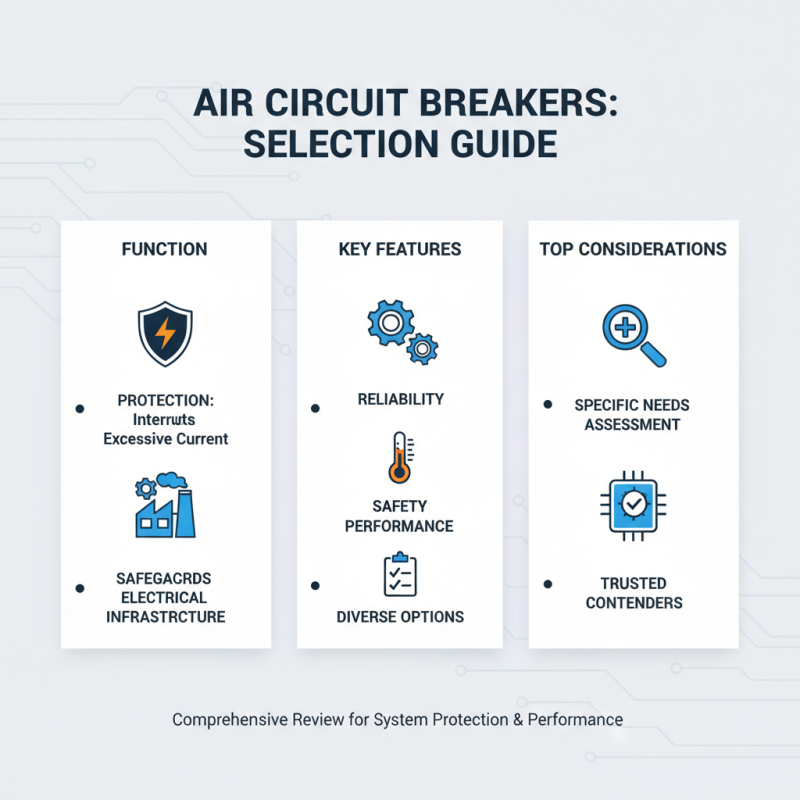
When selecting air circuit breakers for your electrical systems, it is essential to understand the diverse options available to meet your specific needs. Air circuit breakers (ACBs) serve as crucial protective devices that interrupt excessive current, safeguarding your electrical infrastructure from potential damage. This comprehensive review will guide you through the top contenders on the market, focusing on their features, reliability, and safety performance.
Tips for choosing an air circuit breaker include considering the application requirements and environmental conditions. For instance, if the circuit breaker will be used in a high-humidity area, selecting one with a suitable IP rating (Ingress Protection) is vital to prevent moisture damage. Additionally, always assess the current rating and breaking capacity to ensure the selected ACB can handle the maximum anticipated load safely.
Another important aspect is the maintenance of air circuit breakers. Regular testing and inspection can extend the lifespan of these devices and ensure they operate effectively. Practices such as checking for wear and conducting thermal imaging can help identify potential issues before they lead to serious failures. By prioritizing these factors, you can make an informed decision that will enhance the safety and efficiency of your electrical systems.
Comparative Analysis of the Best Air Circuit Breakers
When selecting an air circuit breaker (ACB) for various electrical applications, a comprehensive analysis of features, performance, and specifications is essential for making an informed decision. Air circuit breakers are vital components in ensuring electrical safety and efficiency, with various designs suitable for a wide range of industrial and commercial environments. According to recent industry reports, the global air circuit breaker market is expected to grow at a compound annual growth rate (CAGR) of approximately 6.5% between 2023 and 2028, driven by increased demand for reliable power management systems.
A comparative analysis of the leading air circuit breakers reveals key performance metrics such as breaking capacity, operational reliability, and protection features. For instance, the breaking capacity defines the maximum fault current the circuit breaker can interrupt without damage. Most high-performance ACBs offer breaking capacities ranging from 1,000 A to over 10,000 A, making them suitable for large-scale applications in commercial buildings and industrial factories. In terms of operational reliability, modern ACBs often incorporate features like digital trip units, which provide real-time monitoring and fault detection capabilities, enhancing overall system resilience and reducing downtime.
Furthermore, energy efficiency has become a focal point in the design of air circuit breakers. Emerging data indicates that energy-efficient models contribute to lower operational costs and reduced carbon footprints by optimizing energy usage through advanced protective measures. The integration of smart technology in circuit breakers enables predictive maintenance, helping organizations avoid unexpected failures and prolong the lifecycle of their electrical systems. As the need for sustainable and dependable electrical solutions increases, analyzing and selecting the best air circuit breaker becomes crucial for meeting operational demands and ensuring safety standards.
Tips for Proper Installation and Maintenance of Air Circuit Breakers
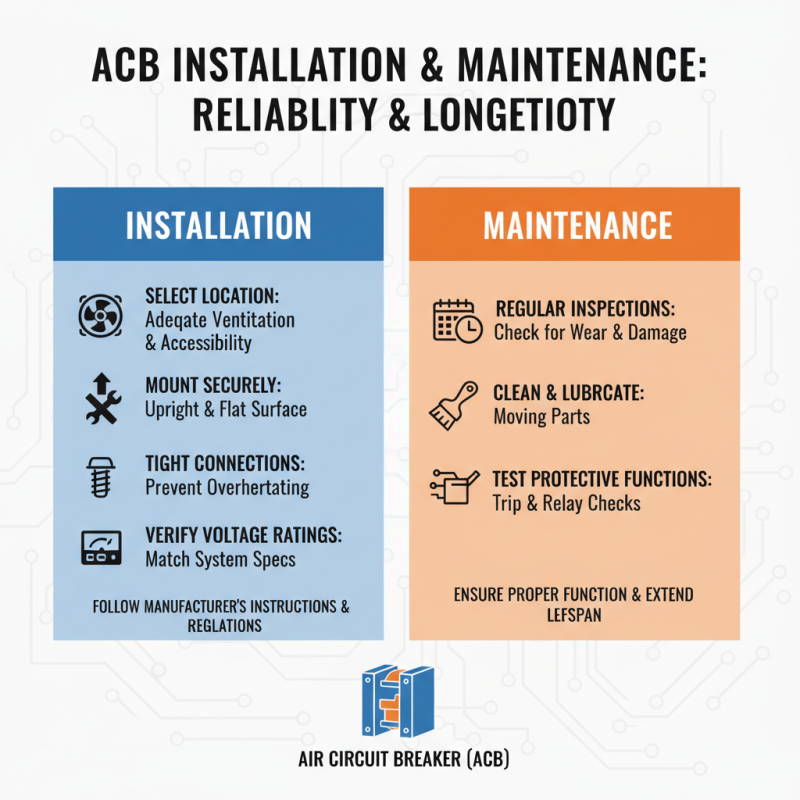
Proper installation and maintenance of air circuit breakers (ACBs) are crucial for ensuring their reliability and longevity in electrical systems. During installation, it is essential to select an appropriate location that provides adequate ventilation and accessibility for future maintenance. The ACBs should be mounted securely in an upright position on a flat surface, and all connections should be tight to prevent overheating. Additionally, voltage ratings must be double-checked to confirm they meet the specifications of the electrical system in which they will operate. Following the manufacturer’s instructions and local regulations during installation will help avoid potential issues.
Once installed, regular maintenance is key to keeping air circuit breakers functioning optimally. It's recommended to conduct visual inspections periodically, checking for any signs of wear or damage to components such as contacts and insulation. Cleaning is also important; dust and debris can hinder performance, so using a soft brush or compressed air can help keep the unit in pristine condition. Testing the trip mechanisms regularly ensures that the breakers function correctly during overloads or faults. By adhering to a regular maintenance schedule and addressing any irregularities promptly, the longevity and efficiency of air circuit breakers can be significantly enhanced.