What Are the Most Popular Crystal Types in 2026?
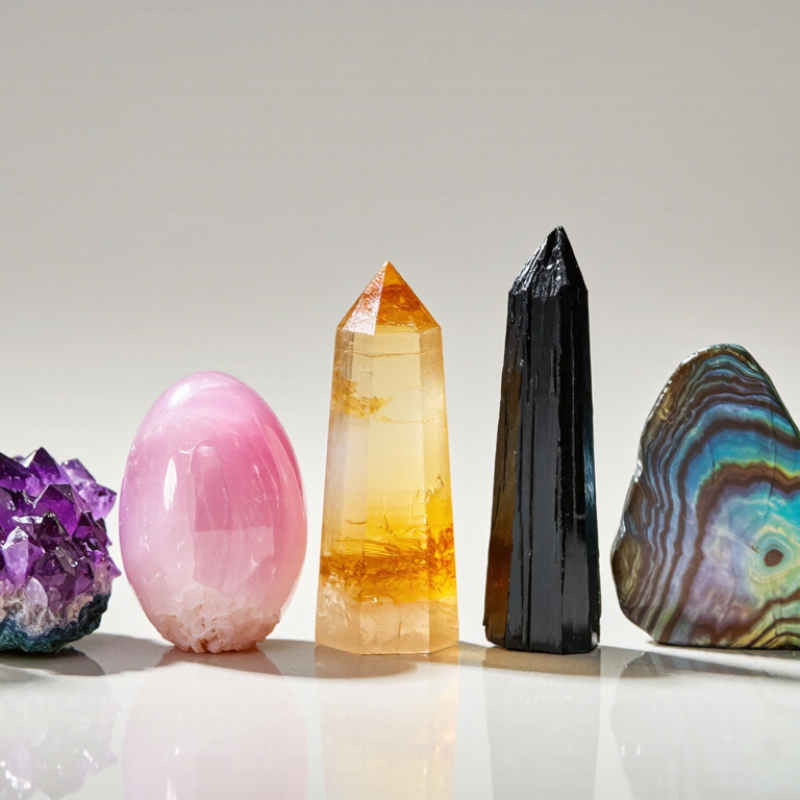
In 2026, crystal shoppers are choosing more than color. They are weighing appearance, price, provenance, and what each stone means to them. Clear quartz, amethyst, rose quartz, citrine, and black tourmaline remain familiar favorites, while labradorite and fluorite attract buyers with striking flashes and bands. But “popular” depends on the measure: search interest, sales, and social-media visibility can tell different stories.
Industry reports offer useful context, not a definitive ranking. Grand View Research’s Gemstones Market Size, Share & Trends Analysis Report estimated the global gemstones market at US$32.38 billion in 2023 and projected growth through 2030. That broad category includes many gems, not just the decorative Crystals sold in shops. The U.S. Geological Survey’s Mineral Commodity Summaries also tracks minerals such as quartz, but industrial supply figures cannot tell us which stones consumers prefer. A necessary distinction.
Gemologist Dr. James E. Shigley’s research offers a practical reminder: identify a stone by its material properties, not its marketing label. That matters when a polished purple piece is sold as amethyst, or when dyed stones are presented without clear disclosure. This guide compares popular types by recognizable features, common uses, and buying considerations. It also separates documented mineral facts from personal or spiritual beliefs, which are not established medical evidence. Trends shift. The label may not tell the whole story.
How Crystal Popularity Is Measured in 2026
Crystal popularity in 2026 is best measured through several signals, not one viral post. Search interest can show what people are curious about, while sales data suggests what they actually buy. Social engagement adds context, but a polished photo may attract more attention than a crystal’s lasting demand. Not the same thing.
A careful ranking would compare monthly search trends, sales across multiple independent retailers, and mentions on major social platforms. It should track crystals such as amethyst, rose quartz, citrine, and labradorite using consistent names and time periods. Researchers also need to separate raw stones from jewelry and account for seasonal gifts. A small tumbled stone and a large display specimen should not count as equivalent purchases.
The method has blind spots. Some sellers do not share sales figures, and online discussion can overrepresent visually striking pieces. Regional preferences matter, too: a popular stone in one market may be less familiar elsewhere. I would treat any ranking as a snapshot, not a verdict on quality or value. The numbers can guide curiosity, but they cannot explain every buyer’s choice.
Citrine, Labradorite, and Black Tourmaline: Popular Choices
Citrine, labradorite, and black tourmaline remain popular choices in 2026, each offering a distinct look and practical considerations. Citrine’s warm yellow color suits sunny displays and everyday jewelry. Some commercial citrine is heat-treated amethyst, so ask sellers to disclose treatments when that matters to you. Its color can vary from pale honey to deep orange.
Labradorite is prized for flashes of blue or green that appear when light moves across its surface. The effect is often stronger at certain angles. That glow is subtle. Because labradorite can chip along its cleavage planes, a protective setting is useful for rings worn often. It may be better suited to pendants or occasional jewelry.
Black tourmaline offers a dark, usually striated appearance that pairs easily with other stones. Its relative durability makes it a practical option for frequently handled pieces, though sharp impacts can still cause damage. Buyers sometimes choose it for its traditional symbolic associations, but these are cultural beliefs, not proven health effects. Compare color, finish, and disclosed treatments in good light. Honestly, choosing by appearance is not always easy; a photograph rarely shows a stone’s texture as clearly as seeing it in person.
What Are the Most Popular Crystal Types in 2026? — Citrine, Labradorite, and Black Tourmaline: Popular Choices
| Crystal | Mineral Group or Composition | Typical Appearance | Mohs Hardness | Why Collectors Choose It | Care Notes |
| Citrine | Quartz; silicon dioxide | Yellow to golden-brown, usually transparent to translucent | 7 | Its warm color, glassy luster, and suitability for jewelry and display make it a familiar choice. | Avoid prolonged exposure to strong sunlight, which may alter the color. Much commercial citrine is heat-treated amethyst. |
| Labradorite | Plagioclase feldspar | Often gray or dark, with flashes of blue, green, gold, or other colors (labradorescence) | 6–6.5 | The shifting flashes of color give polished pieces and larger specimens a distinctive appearance. | Protect from hard knocks and abrasive cleaning. Use a soft cloth and mild soapy water when needed. |
| Black Tourmaline (Schorl) | Tourmaline-group mineral; schorl is an iron-rich variety | Usually opaque black, often found in elongated, striated crystals | 7–7.5 | Its deep color, recognizable crystal form, and contrast with lighter minerals appeal to many collectors. | Clean gently with a soft cloth and mild soapy water; avoid harsh chemicals and sudden impacts. |
| Amethyst | Quartz; silicon dioxide | Light lavender to deep purple | 7 | Its range of purple shades and frequent occurrence in attractive crystal clusters make it a well-known choice. | Limit prolonged exposure to intense sunlight, as color may fade. Avoid abrasive cleaners. |
| Rose Quartz | Quartz; silicon dioxide | Typically translucent to cloudy pink | 7 | Its soft color and availability in tumbled stones, carvings, and display pieces suit many collecting styles. | Use gentle cleaning and avoid prolonged intense sunlight, which may affect color. |
| Clear Quartz | Quartz; silicon dioxide | Colorless and transparent to translucent | 7 | Its clear appearance, variety of natural formations, and broad availability make it a versatile collection staple. | Clean with mild soapy water and a soft cloth; handle points and clusters carefully to prevent chipping. |
Popularity can vary by region, retailer, and collector interest; this table describes commonly chosen crystal types and does not present a measured sales ranking. Crystal-related wellness claims are not a substitute for medical advice or treatment.
How Crystal Types Differ in Appearance and Common Uses
In 2026, crystal popularity still leans toward stones with instantly recognizable colors and textures. Clear quartz is glassy and often nearly transparent, while amethyst ranges from pale lilac to deep violet. Their clean shapes suit pendant settings, desk displays, and small collections. Rose quartz has a cloudy pink tone; its soft color makes it common in beads and decorative bowls. Simple, but never quite plain.
Citrine’s yellow-to-honey shades bring warmth to a shelf, though some stones sold as citrine are heat-treated amethyst. Asking about treatment can help buyers understand what they are choosing. Labradorite looks grey until light reveals blue or green flashes across its surface. That shifting effect makes it popular for statement jewelry, but it can be difficult to capture in a photograph. Not always.
Obsidian is usually glossy black, with a smooth, mirror-like finish when polished. It appears in carved ornaments and pendants, while rough pieces show a more muted surface. These crystals also carry cultural and personal meanings, which vary by person and tradition. Their common uses are mainly decorative, collectible, or symbolic; they should not be presented as proven medical treatments. And popularity is slippery: a stone that dominates one season’s displays may feel less striking the next.
Popular Crystal Types in 2026: Appearance, Uses & Hardness
A comparison of well-known crystal types using Mohs hardness, a measure of scratch resistance. Hardness is a physical property—not a measure of popularity.
Appearance and common uses: Amethyst is purple and often used in jewelry and ornaments; rose quartz is pink and used in jewelry and decoration; citrine is yellow to golden and used in jewelry; clear quartz is transparent to translucent and used in ornaments and electronic components; fluorite comes in varied colors and is used as an ornamental stone and in industrial processes; calcite is commonly colorless or white and is used in building materials and optics; selenite is usually white or translucent and is used for ornaments and décor.
Mohs hardness values shown are standard mineral reference values. Appearance can vary with color, clarity, and inclusions.
How to Choose, Identify, and Source Crystals Responsibly
In 2026, commonly sought-after crystals include amethyst, rose quartz, clear quartz, citrine, labradorite, and black tourmaline. Popularity shifts with style and availability, so no list captures every buyer’s taste. Learn each stone’s usual features: amethyst ranges from pale lavender to deep purple, while labradorite can show blue or green flashes when tilted. Color alone is not proof of identity. Some citrine is heat-treated amethyst, so ask whether a stone has been treated.
Choose by appearance, budget, and how the crystal was obtained—not by promises of healing. Crystals have not been shown to replace medical care. For a more informed purchase, ask the seller about the stone’s country or region of origin, treatments, and supply chain. Clear answers and written details are useful; vague claims deserve caution. I find it easy to focus on sparkle and forget provenance. That is worth questioning.
Tips: Check for chips, dyed-looking cracks, and glue near settings. Compare several examples under natural light. Prefer secondhand pieces or sellers who can explain sourcing, and keep the receipt with any treatment disclosure. A beautiful crystal need not be flawless.



