Heavy Duty Slurry Pump Tips for Maximum Efficiency?
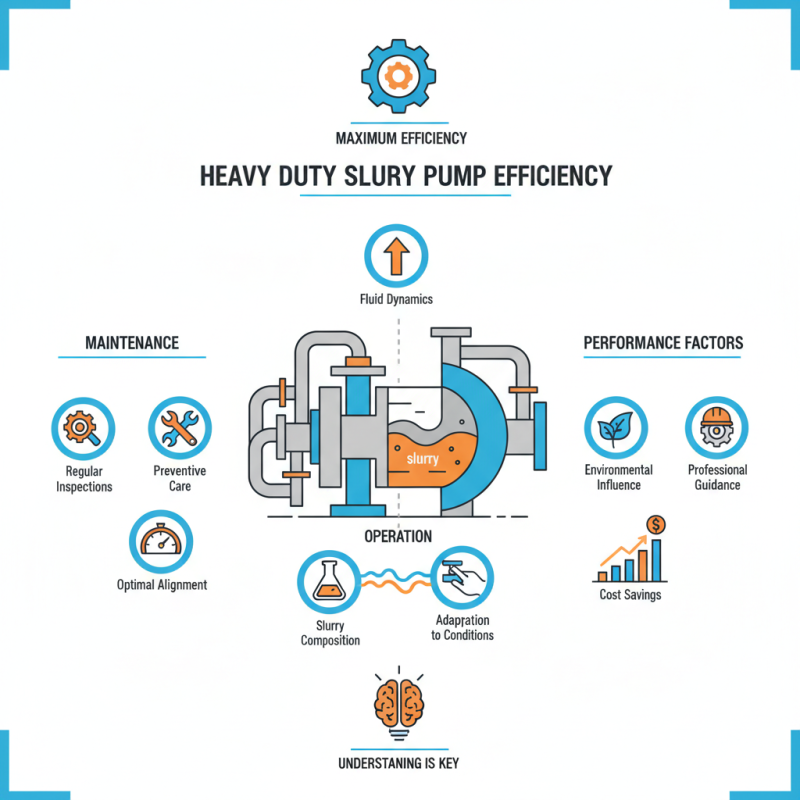
heavy duty slurry pumps play a crucial role in various industries. Their efficiency directly impacts productivity and operational costs. Proper maintenance and optimal operation are essential for maximizing their performance. However, many users overlook basic practices that ensure longevity and reliability.
Often, operators underestimate the importance of regular inspections. Simple checks can prevent major breakdowns. Equipment wear and tear should never be ignored. Even slight misalignments can lead to significant losses. Users must recognize that every small detail matters in the operation of a heavy duty slurry pump.
Environmental factors also influence pump efficiency. Slurry composition and viscosity present unique challenges. Adapting to changing conditions is vital. Failing to adjust can result in inefficiency and increased wear. Engaging with experienced professionals can provide insights into achieving optimal performance and mitigate common pitfalls. Understanding these elements is key to leveraging the full potential of heavy duty slurry pumps.
Understanding Heavy Duty Slurry Pumps and Their Applications in Industries
Heavy duty slurry pumps are essential in various industries. They transport thick mixtures of fluids and solids. These pumps must handle abrasive materials like sand, gravel, and chemicals. Their robust construction ensures they can withstand harsh operating conditions. Mining, construction, and wastewater management rely heavily on these pumps. Each industry has unique requirements for pump efficiency.
In mining, slurry pumps handle high-density liquid mixtures. If a pump fails, production can halt. Maintenance and routine checks sometimes get overlooked. This neglect leads to reduced efficiency and higher costs. In construction, a reliable pump can expedite processes. However, improper setup can cause setbacks. Ensuring the right pump size is key to maintaining efficiency.
Understanding the working principles is crucial. Operators must consider wear and tear factors. Slurry characteristics, like viscosity, also play a role. Adjusting parameters can enhance performance. Not all settings yield optimal results. Regular training and awareness of pump limitations are necessary. This can significantly improve operational outcomes in various sectors.
Key Factors Influencing the Efficiency of Heavy Duty Slurry Pumps
When it comes to heavy duty slurry pumps, several key factors influence their efficiency. One crucial aspect is the pump design. Proper design ensures maximum flow rate and minimal energy consumption. For instance, a study by the Hydraulic Institute shows that a well-designed pump can achieve up to 85% efficiency. However, some operators overlook this, leading to wasted resources.
Another factor is the wear on pump components. Slurry can be abrasive, leading to wear that affects performance. Periodic maintenance is essential. Regularly inspecting and replacing worn parts can maintain efficiency. A report from the Pump Systems Matter program states that proper maintenance can increase pump life by 25% or more.
Tips: Ensure the pump operates within its best efficiency range. This can significantly impact overall performance. Monitor the slurry characteristics, as variations can affect flow and efficiency. If issues arise, consider a thorough examination to identify root causes. Adjustments can often lead to enhanced operation. Don't ignore the small details; they can lead to big improvements.
Maintenance Practices to Enhance the Longevity of Slurry Pumps
Proper maintenance of slurry pumps is crucial for their longevity. Regular inspection is essential. Check for wear and tear. Look at seals and gaskets closely. If they appear damaged, replace them immediately. This can prevent larger issues later on. Additionally, ensure that the pump is clean. Accumulation of debris can hinder performance.
Lubrication also plays a key role. Use the right type of lubricant. Avoid over-lubrication, as it can lead to more problems. Monitor the pump's temperature. Excess heat can be a sign of trouble. Keep an eye on the bearings. They should run smoothly without any unusual sounds.
Training personnel on proper operation can minimize mishaps. Sometimes we overlook small details during operation, but these can lead to inefficiencies. Remember, even the smallest issues can escalate. Addressing minor problems helps maintain optimal performance. Emphasizing these practices may enhance the lifespan of your slurry pumps significantly.
Comparative Analysis of Slurry Pump Designs and Their Performance Metrics
When selecting a slurry pump, comparing designs is crucial. Different models perform differently under various conditions. Factors like impeller design, pump configuration, and material choice impact efficiency significantly. Heavily duty pumps often feature robust designs, yet not all of them excel in abrasive environments. Some may struggle with wear and tear.
Mixing and matching components can lead to unexpected results. For instance, a pump with a larger impeller may deliver more flow, but it might not manage viscosity well. Adjusting the pump speed can help, but it also raises energy costs. Monitoring performance metrics like flow rate and pressure allows for better decision-making.
Reflecting on these aspects is vital. Regular maintenance should not be overlooked. Build quality might seem high, but wear rates can escalate quickly. Testing various designs in real-world applications reveals insights that textbooks often lack. Ultimately, it’s essential to continually assess and adapt your approach to achieve optimal efficiency.
Selecting the Right Slurry Pump for Maximum Operational Efficiency
Selecting the right slurry pump is crucial for operational efficiency. According to industry reports, improperly chosen pumps can reduce efficiency by up to 30%. Factors like material density and flow rate heavily influence performance. A detailed assessment of these parameters is essential before making a choice.
One key consideration is the pump’s casing material. For abrasive slurries, materials like hardened steel or rubber can prolong pump lifespan. Additionally, understanding the viscosity of the slurry is vital. Using a pump that’s not designed for high-viscosity liquids can lead to performance issues. A common mistake is underestimating the impact of particle size on pump selection.
Regular maintenance plays a critical role in ensuring efficiency. It’s advisable to schedule inspections regularly. Neglecting pump care can lead to significant downtime. Heavy-duty slurry pumps also require attention to the impeller design. Mixing designs can greatly affect how solids are handled. Evaluating long-term operational costs is a necessity, not an option. Consideration of these elements can dramatically improve overall system efficiency.



