Essential Tips for Choosing the Right Protection Relay?
In today's power systems, the choice of a protection relay is crucial for ensuring reliability and safety. According to a recent report by the International Electrotechnical Commission, approximately 70% of electrical faults can be effectively mitigated by utilizing appropriate protection relays. This statistic highlights the vital role these devices play in safeguarding infrastructure against potential damage.
When selecting a protection relay, understanding its functionalities and compatibility with existing systems is essential. Different relays offer various features, such as overcurrent protection and voltage monitoring. Not all protection relays fit every application, and misjudgments in selection can lead to significant operational failures. Reports indicate that inadequate protection can result in system failures costing businesses thousands of dollars.
Furthermore, regular training and updates on the latest technologies can enhance decision-making processes. Reliance on outdated relays may expose systems to risk. Investing in quality protection relays requires consideration of their specifications and manufacturers’ reliability. While it may seem simple, the complexity of modern electrical systems calls for careful evaluation and thoughtful selections to ensure optimal protection.
Understanding the Basics of Protection Relays
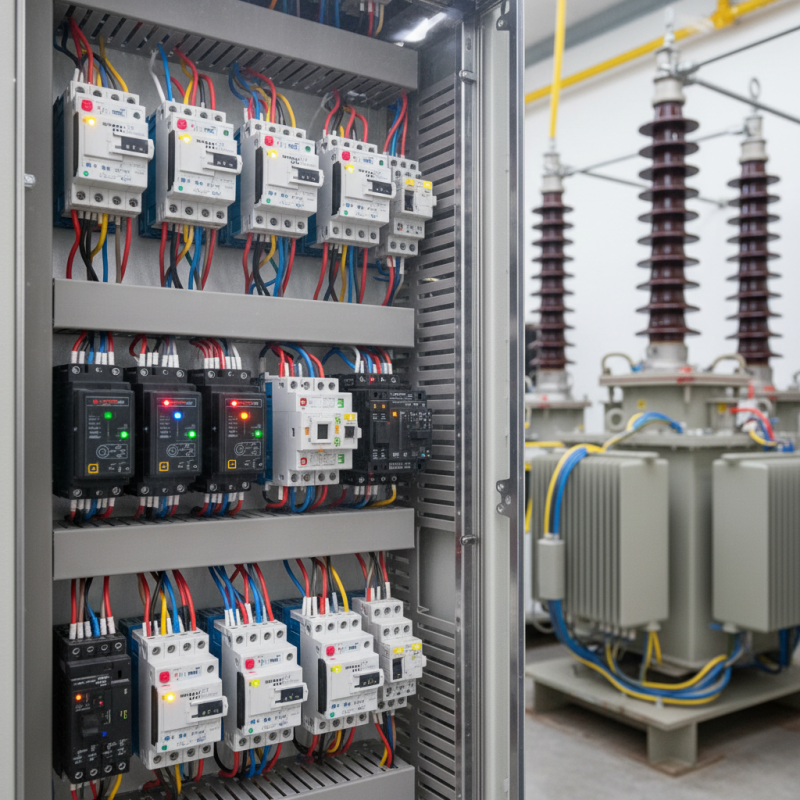
Protection relays play a crucial role in safeguarding electrical systems. Understanding how they operate is essential for accurate application. A protection relay detects faults in electrical circuits. When a fault occurs, it triggers circuit breakers to prevent damage. According to a report by the International Electrotechnical Commission, around 30% of system failures are due to insufficient protection.
Types of relays include electromechanical, solid-state, and digital relays. Each type has unique features suited for specific applications. For example, digital relays offer advanced functionalities, such as programmable settings and real-time data monitoring. A study from IEEE indicates that over 50% of failures can be prevented with proper relay configuration. However, many users overlook the importance of relay settings and regular testing.
Installation and maintenance are often underestimated. Regular inspections ensure that settings are correct and functional. Some relays may require customization to align with specific system needs. Misconfiguration can lead to serious system failures, highlighting the need for expertise. While technology improves, the need for skilled professionals remains paramount. The gap between technology and user knowledge can be a significant risk factor.
Essential Tips for Choosing the Right Protection Relay
This bar chart represents the importance scores of various factors to consider when selecting the right protection relay. The factors include coordinated protection, speed of operation, sensitivity, environmental factors, and cost-efficiency.
Identifying Your System's Specific Protection Needs
Identifying your system's specific protection needs is critical when choosing the right protection relay. Each electrical system has unique characteristics that demand tailored approaches. According to a recent report by the International Electrotechnical Commission, roughly 30% of electrical failures in industrial settings result from inadequate protection systems. This highlights the urgency of understanding your system's requirements.
Start by analyzing the electrical load and fault conditions specific to your application. For instance, short-circuit currents significantly vary depending on system architecture. Accurate calculations of these values can prevent relay misconfigurations that may lead to inadequacies in fault handling and, ultimately, system failures. A study from the IEEE shows that systems with poor relay selection exhibit failure rates 25% higher than those with well-matched devices.
Next, consider the environmental conditions affecting relay operation. Factors such as temperature, humidity, and vibration can influence relay performance. Proper environmental assessments can help ensure reliability and longevity. The U.S. National Electrical Manufacturers Association indicates that about 20% of relay failures stem from environmental stressors. These statistics underline the importance of addressing these factors when selecting your protection solutions.
Evaluating Different Types of Protection Relays Available
When evaluating different types of protection relays, understanding their specific functionalities is crucial. There are several common types, including overcurrent, undervoltage, and differential relays. Each type serves a unique purpose in protecting electrical systems. Overcurrent relays detect excessive current, while undervoltage relays monitor voltage drops. Differential relays compare currents in two circuits to identify faults. Choosing the right type depends on your specific application.
Tips: Assess the environment in which the relay will operate. High humidity or extreme temperatures can impact performance. It's essential to understand the electrical characteristics of your system. Look into sensitivity settings and timing adjustments, as these can help optimize the relay's response. Compatibility with existing equipment should not be overlooked; ensuring seamless integration can enhance reliability.
Be mindful, though, of potential limitations. Some relays may not respond swiftly enough to transient faults. Others rely too heavily on pre-set configurations, potentially omitting valuable site-specific adjustments. Regularly revisiting your relay selections allows for better alignment with evolving operational needs. Staying informed about technological advancements can also enhance protection strategies.
Essential Tips for Choosing the Right Protection Relay
| Relay Type |
Application |
Protection Features |
Pros |
Cons |
| Electromechanical Relay |
Overcurrent Protection |
Phase & Ground Fault Detection |
Cost-effective, Simple Maintenance |
Slower Response Time, Less Sensitive |
| Microprocessor-based Relay |
Complex Protection Schemes |
Advanced Algorithms |
Highly Accurate, Programmable |
More Expensive, Requires Software |
| Digital Relay |
Voltage and Frequency Protection |
Smart Monitoring |
Real-time Data, Remote Access |
Complex Setup, Requires Training |
| Current Relay |
Generator & Motor Protection |
Overload & Short Circuit Detection |
Reliable, Good for Motor Start-up |
Limited Functions, Basic Features |
Comparing Key Features and Specifications in Protection Relays
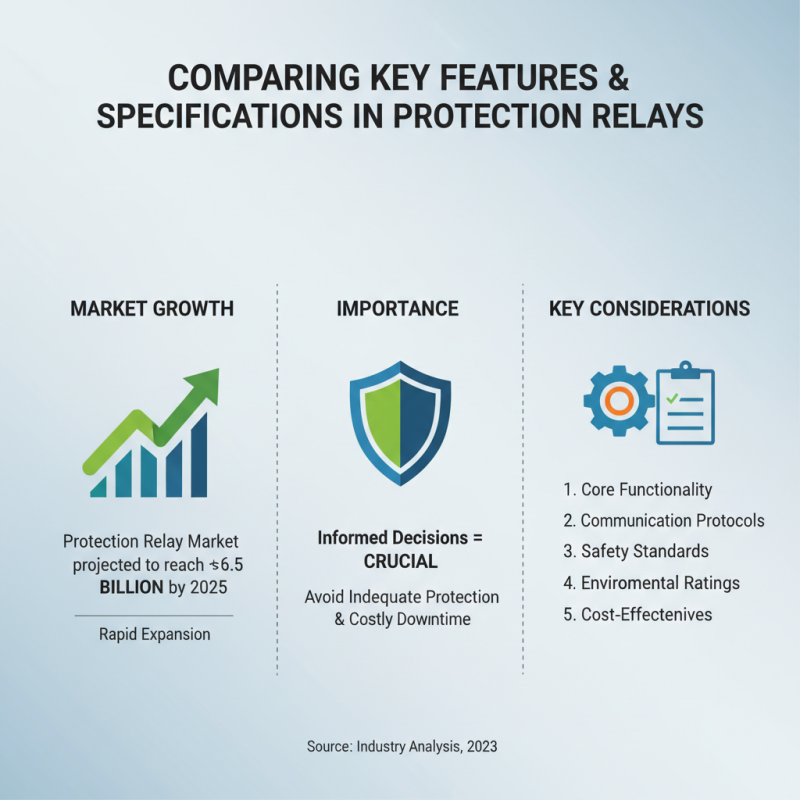
When selecting the right protection relay, understanding key features and specifications is paramount. The protection relay market is expected to grow significantly, reaching approximately $6.5 billion by 2025. This rapid expansion highlights the importance of making informed decisions. Many organizations may overlook crucial factors, leading to inadequate protection and costly downtime.
A crucial feature to compare is the relay's response time. Advanced models promise response times as low as 5 milliseconds. However, some conventional relays can take up to 30 milliseconds. This discrepancy may seem minor, but in high-stakes environments, every millisecond matters. Additionally, understanding the relay's communication protocols is essential. Not all relays support the same standards, which can lead to compatibility issues in integrated systems.
Another key specification is the relay’s ability to withstand environmental conditions. Some models can operate in extreme temperatures, ranging from -40°C to +85°C. This adaptability is critical in industrial applications, where exposure to harsh conditions is common. However, some users may underestimate the effects of humidity or dust on performance, potentially leading to failures. Balancing features with practical applications requires careful analysis to ensure long-term reliability.
Ensuring Compatibility with Existing System Components
When selecting a protection relay, compatibility with existing system components is crucial. Understanding the specifications of your current setup ensures that the new relay integrates seamlessly. Measure the voltage levels and current ratings of your existing devices. A mismatch can lead to functional failures or even equipment damage.
Check communication protocols as well. Different devices may use distinct languages for data exchange. Protocols like Modbus or DNP3 can complicate integration if not carefully evaluated. It is essential to verify if your chosen relay supports those protocols. Note that some relays often come with limited compatibility options, which may restrict functionality.
Investing time in research is vital. Engaging with various technical resources can clarify compatibility issues. Don’t rush the selection process. Reflect on prior experiences with relays and note any challenges you encountered. Keep in mind that a relay's performance is only as good as its integration within the whole system. Understanding the nuances of your current setup can lead to more informed decisions.