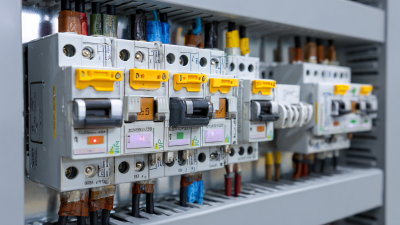
10 Essential Tips for Choosing the Right Miniature Circuit Breaker for Your Projects

Choosing the right miniature circuit breaker (MCB) for your projects is a crucial decision that can significantly impact the safety and efficiency of your electrical systems. With a myriad of options available in the market, understanding the key factors to consider when selecting an MCB can help you make informed choices that align with your specific requirements. Whether you are installing new circuits, upgrading existing ones, or working on complex projects, knowledge of the essential features and specifications of miniature circuit breakers is paramount.

In this guide, we will explore ten essential tips that will assist you in navigating the complexities of selecting the ideal miniature circuit breaker. From assessing current ratings and trip characteristics to understanding the importance of breaking capacity, each aspect plays a vital role in ensuring that your electrical installations are protected against overloads and short circuits. As you delve deeper into the world of miniature circuit breakers, you will gain valuable insights that empower you to optimize the performance and safety of your projects.
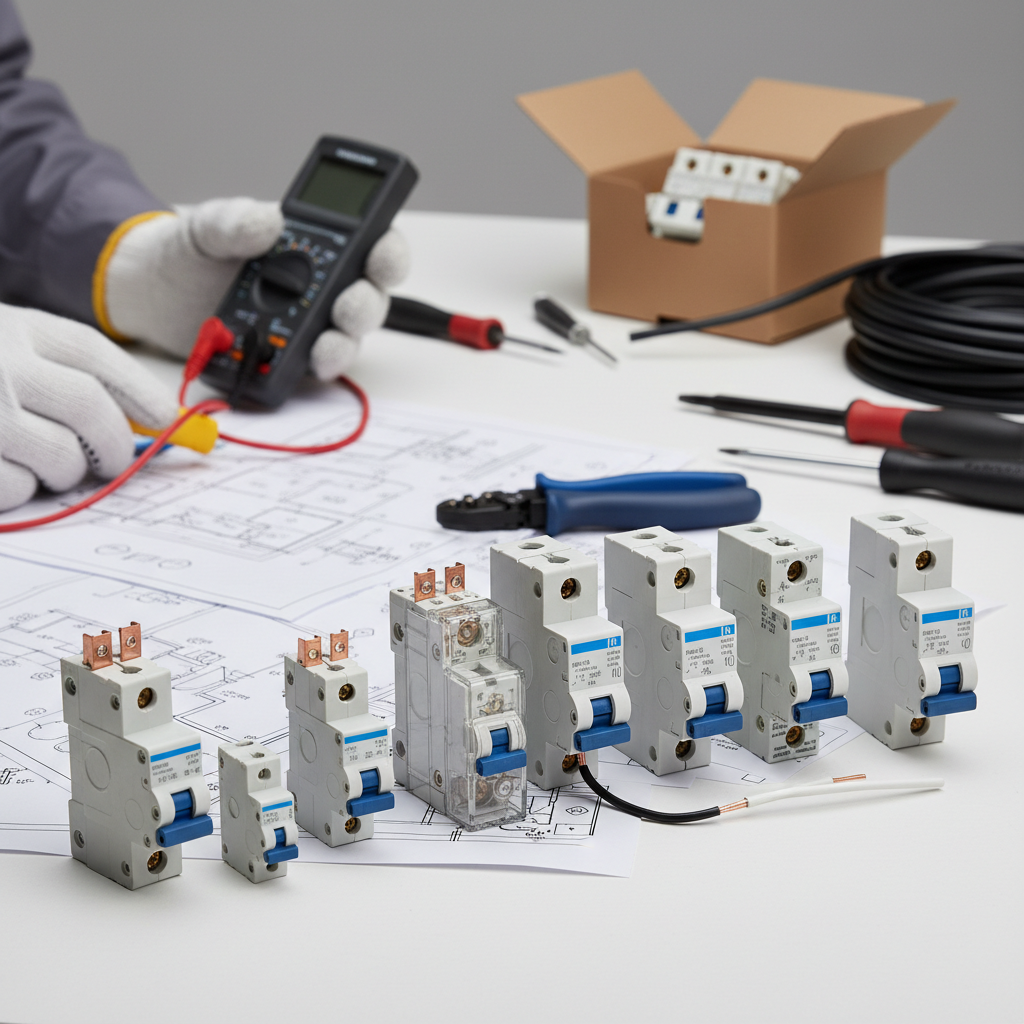
10 Essential Tips for Choosing the Right Miniature Circuit Breaker for Your Projects

Understanding the Basics of Miniature Circuit Breakers and Their Functions
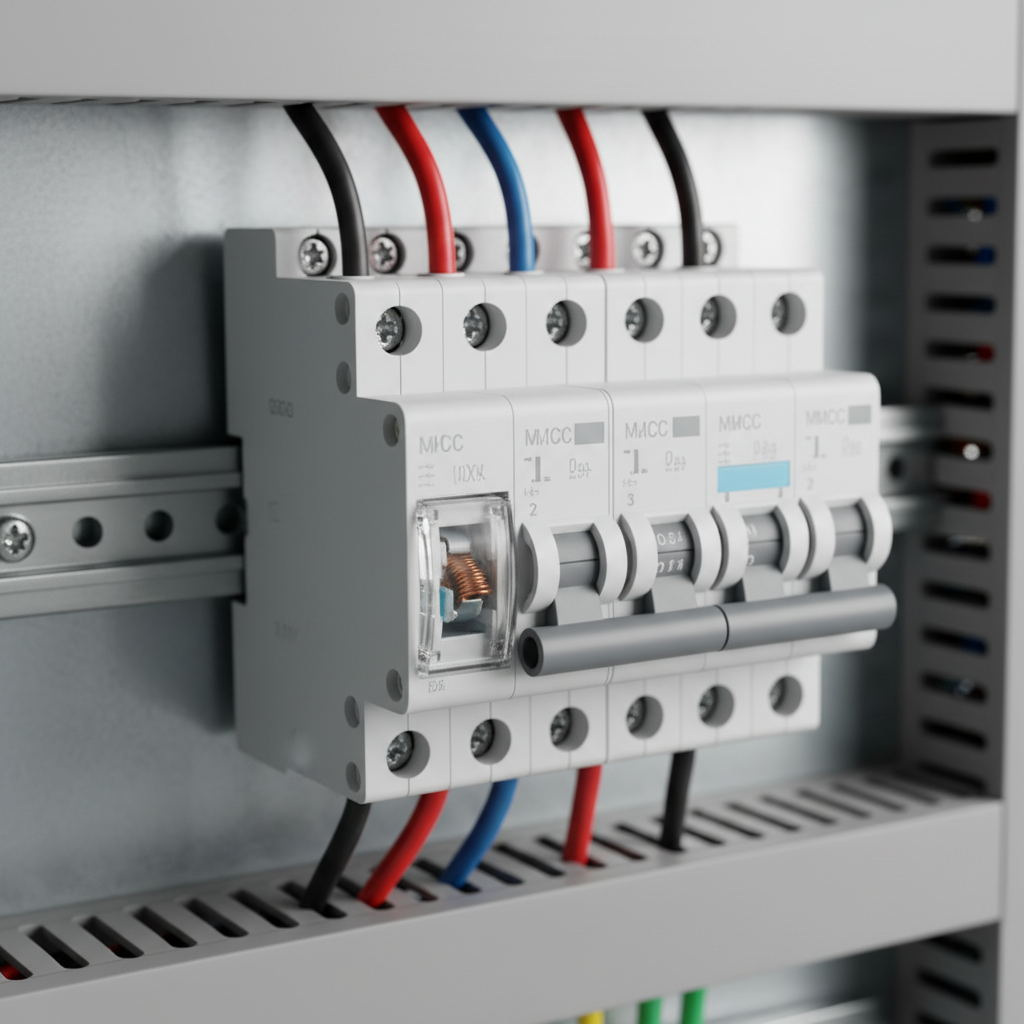
10 Essential Tips for Choosing the Right Miniature Circuit Breaker for Your Projects

Miniature circuit breakers (MCBs) are vital components in modern electrical installations, designed to prevent overloads and short circuits. They function by automatically interrupting the electrical flow when a fault is detected, thereby protecting both the wiring and connected devices. According to a report by MarketsandMarkets, the MCB market is projected to reach USD 8.3 billion by 2026, reflecting the increasing demand for safety solutions in residential, commercial, and industrial applications. Understanding the characteristics of MCBs, such as their tripping mechanisms—thermal, magnetic, or both—allows for better selection tailored to specific project requirements.

In addition to ensuring safety, the efficiency of MCBs plays a critical role in energy management. They contribute to reducing electrical risks and minimizing downtime in case of faults. As highlighted in the International Electrotechnical Commission (IEC) standards, proper rating and selection of MCBs based on load requirements and environmental conditions is essential. This not only enhances the reliability of electrical systems but also aligns with the global shift towards energy-efficient technologies, as outlined in the Global Energy Efficiency Policy Report 2021. By comprehensively understanding MCBs and their functions, project managers and electricians can make informed decisions that enhance overall system performance and safety.

Key Factors to Consider When Selecting the Right Ampere Rating

When selecting a miniature circuit breaker (MCB) for your projects, one of the most critical factors to consider is the appropriate ampere rating. Ampere ratings indicate the maximum current that the MCB can handle before it trips, protecting your circuits from overload and short circuits. According to a recent report by the Electrical Safety Foundation International, improper ampere ratings can lead to increased risks of electrical fires, potentially resulting in substantial damage and safety hazards.

When determining the right ampere rating for your application, assess the load requirements of the devices connected to the circuit. The National Electrical Code (NEC) recommends that MCBs should be rated for 125% of the maximum continuous load. For instance, if your continuous load is 16 amps, selecting a 20-amp MCB would provide better protection without unnecessary tripping. Additionally, consider environmental factors such as temperature and humidity, as these can affect the performance and reliability of the breaker. In environments with higher temperatures, using a breaker with a slightly higher rating may be beneficial to ensure it operates effectively without nuisance tripping.

Identifying Suitable Voltage Ratings for Your Specific Applications

When selecting a miniature circuit breaker (MCB) for your projects, identifying the appropriate voltage rating is crucial for ensuring optimal performance and safety. According to a report by the International Electrotechnical Commission (IEC), MCBs are classified based on their voltage ratings, with common standards being up to 400V for residential applications and higher for industrial uses. It’s important to assess the specific requirements of your application, as using an MCB with an inadequate voltage rating could lead to premature failure or circuit overload.

One essential tip for choosing the right MCB is to consider the operational environment. For example, if your project will be in a location with potential voltage fluctuations, opt for an MCB that can handle higher impulse voltages. Ensure that you check the MCB’s limiting values as outlined in relevant standards like IEC 60898. Matching the MCB's voltage rating to your project not only enhances safety but also guarantees efficient circuit management, reducing the risks of equipment damage.

Additionally, make sure to take into account the type of load being protected by the MCB. Resistive loads, inductive loads, and capacitive loads all require different ratings. A comprehensive industry survey indicated that using the wrong type can lead to tripping issues or failure to trip during faults. Therefore, familiarize yourself with the specific behavior and requirements of your load type before making your final selection.

Voltage Ratings for Miniature Circuit Breakers

This chart illustrates the common voltage ratings for miniature circuit breakers (MCBs) used in various applications, helping you understand the suitability for your projects.

Evaluating Trip Characteristics: Type B, C, and D Breakers Explained

When selecting the right miniature circuit breaker (MCB), understanding trip characteristics is crucial.

Type B, C, and D breakers serve different purposes based on the specific demands of your projects. Type B breakers are designed for residential applications, tripping between 3 to 5 times the rated current, making them ideal for lighting and small household appliances. Type C breakers, on the other hand, are suited for commercial environments where there may be moderate inrush currents, such as motors and transformers. Their trip settings range from 5 to 10 times the rated current, providing adequate protection without being overly sensitive. Lastly, Type D breakers are tailored for industrial settings, where high inrush currents are common, tripping at 10 to 20 times the rated current. These breakers are essential for machinery and equipment that may require significant starting current.

When choosing the right MCB for your projects, consider the sensitivity needed for your application. Determine the load type you will be protecting; this assessment will guide you in selecting the appropriate type of breaker. Additionally, ensure that the selected MCB meets local regulatory standards and is compatible with existing electrical systems. Always evaluate the specific requirements of your environment to guarantee optimal safety and performance.

Importance of Brand Reputation and Compliance Standards in Selection

When selecting the right miniature circuit breaker (MCB) for your projects, the importance of brand reputation and compliance standards cannot be overstated. As the industry evolves, the adherence to compliance standards ensures that the products meet safety and quality benchmarks, reducing risks associated with electrical failures. Brands that are well-established in the market typically invest heavily in R&D and compliance, providing assurance of their product's reliability. For instance, the personal protective equipment market in North America is projected to grow from $31.09 billion in 2025 to $45.03 billion by 2032, marking a compound annual growth rate (CAGR) of 5.4%. This growth reflects an increasing emphasis on safety and compliance across various sectors.

Moreover, the compliance data management market is expected to witness remarkable expansion, growing by $30.4 billion to reach a substantial size by 2032, with an anticipated CAGR of around 10.6%. This trend underscores the critical nature of compliance in developing and maintaining effective electrical systems, including circuit breakers. For foreign investors in markets like the UAE's private education sector, crafting structured and compliant market entry strategies is crucial. This is indicative of the wider trend across industries that prioritize compliance and brand reputation as foundational elements for successful project execution.

10 Essential Tips for Choosing the Right Miniature Circuit Breaker for Your Projects

Tip Number Tip Description Importance of Brand Reputation Compliance Standards
1 Consider the current rating based on application requirements. High brand reputation indicates reliability. Ensure compliance with IEC and UL standards.
2 Select from a range of breaking capacity options. Reputable brands often offer comprehensive testing. Check for compliance with local electrical codes.
3 Look for products with specific tripping characteristics. Brands with good reputation ensure reliable tripping. Must adhere to specific testing standards for characteristics.
4 Assess physical size and installation requirements. Renowned brands provide user-friendly designs. Follow local installation regulations and standards.
5 Verify the operating voltage range needs. Reputation often reflects a wide range of reliable options. Compliance with voltage standards is critical.
6 Examine warranty and customer service support. Good brands typically offer robust support services. Regulatory compliance could affect warranty validity.
7 Research product reviews and user feedback. High reputation brands receive positive feedback. User experiences can indicate compliance issues.
8 Understand the cost-benefit ratio of different breakers. Renowned brands may justify higher costs with reliability. Prices should align with compliance requirements.
9 Plan for future expansion and requirements. Reputable brands consider scalability in designs. Ensure future compliance with changing regulations.
10 Consult with professionals for recommendations. Experts often favor brands with strong reputations. Compliance often requires expert assessment.
Blogs