Why Choose the Right Wire for Thermal Spray Applications?
Choosing the right Wire for Thermal Spray is crucial for success in various applications. The quality of the wire directly impacts the performance, adhesion, and longevity of the coating. In thermal spray processes, wires serve as the primary material, so understanding their properties is essential.
Wire for thermal spray comes in different compositions and forms. Each type offers unique benefits and challenges. For instance, some wires provide excellent wear resistance, while others might excel in corrosion resistance. Selecting the wrong wire may lead to suboptimal results. This choice can impact production efficiency and the cost-effectiveness of projects.
In the world of thermal spraying, expertise in wire selection is key. Technical insights, material compatibility, and application-specific requirements guide this decision. However, not all manufacturers provide adequate information. It requires a careful assessment of supplier reputation and product reliability. Ultimately, the right wire can enhance performance, while the wrong choice may necessitate costly revisions.
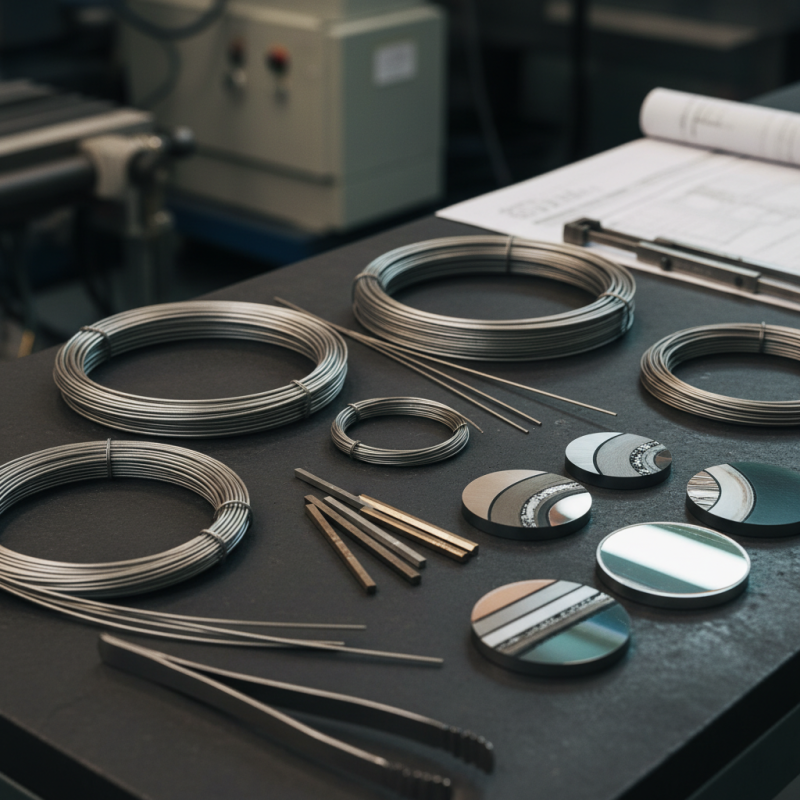
Understanding Thermal Spray Applications and Their Material Requirements
Thermal spray applications are crucial in various industries, including aerospace and automotive. These applications demand precise material selection to ensure durability and performance. The right wire used in thermal spraying affects coating quality significantly. For instance, a report from the Thermal Spray Association highlights that improper wire selection can lead to up to a 20% decrease in coating adhesion.
Each material has unique properties tailored for specific applications. For example, cobalt-based alloys are preferred for their high-temperature resistance, while nickel-based wires offer excellent corrosion protection. As reported by the International Thermal Spray Conference, the right material choice can enhance wear resistance by over 30%. However, mismatched materials can create a mismatch in thermal expansion, leading to cracks or delamination in the coating.
Additionally, companies often overlook the importance of wire purity and composition. Contaminated or improperly alloyed wires can significantly compromise performance. The current industry standard states that the wire’s chemical composition must meet stringent specifications to guarantee quality. Failure to comply with these standards can result in costly failures and safety hazards. Understanding these requirements is essential for any successful thermal spray application.
Factors Influencing the Selection of Wire in Thermal Spray Processes
In thermal spray applications, selecting the right wire is crucial. A key factor is the material type. Different materials offer varying properties, such as hardness, corrosion resistance, and thermal conductivity. Reports indicate that up to 70% of coating performance depends on the wire composition. Understanding these properties helps achieve desired results in industries like aerospace and automotive.
Wires must also match specific spray processes. For example, in high-velocity oxy-fuel (HVOF) spraying, a wire must withstand high temperatures and pressures. Data shows that the optimal wire diameter impacts the melting efficiency and coating integrity. A diameter too large can lead to excessive material waste, while a diameter too small may compromise coating thickness. Engineers often experiment with different diameters to find the right balance.
Moreover, environmental considerations are increasingly important. Some wires contain materials that could be harmful to health or the ecosystem. Sustainable choices are essential for compliance with global regulations. Using eco-friendly materials can reduce environmental impact without sacrificing quality. Challenges persist, however, in sourcing sustainable options while maintaining performance standards.
Wire Types Used in Thermal Spray Applications
This chart represents the different types of wires used in thermal spray processes and their respective popularity based on industry usage.
Materials Commonly Used for Thermal Spray Wires and Their Properties
Thermal spray applications rely heavily on the choice of wire materials. Various metals and alloys offer distinct properties that can significantly affect performance. The most commonly used materials include tungsten carbide, which provides excellent wear resistance, and nickel-chromium, known for its corrosion resistance. A report from the Thermal Spray Association states that these materials can enhance the lifespan of components by up to 300%.
Copper-based wires are also popular due to their high thermal conductivity, facilitating better heat transfer during the spraying process. However, they may not offer the same wear resistance as ceramics. Additionally, aluminum wires are lightweight and exhibit good adhesion but can struggle in high-temperature environments. According to recent industry statistics, nearly 40% of manufacturers are shifting towards using composite wires for improved performance in diverse applications.
Choosing the right wire is not always straightforward. Each material has its strengths and weaknesses. The ideal wire often depends on specific application requirements. Some manufacturers may overlook the potential impact of wire choice, resulting in inefficiencies. As reported by industry experts, improper material selection can lead to premature failure, causing unplanned downtime and increased costs. Making informed choices is crucial for optimizing thermal spray outcomes.
Impact of Wire Quality on Coating Performance and Longevity
Choosing the right wire for thermal spray applications significantly impacts coating performance and longevity. Wire quality directly influences adhesion, microstructure, and wear resistance of the coatings. According to a report by the Thermal Spray Society, the right wire selection can enhance coating durability by up to 30%.
Using wires with proper metallurgy ensures optimal melting and efficient transfer during application. Low-quality wires might introduce impurities, affecting the coating's integrity. A study indicated that coatings made with high-quality wires exhibited a 25% improvement in hardness compared to those with inferior wire. This statistic emphasizes the importance of wire quality in prolonging the lifespan of protective coatings.
Tip: Always verify the wire's specifications before application. Investing in high-grade materials is essential for demanding environments. Regularly assess your spray equipment to maintain performance. Quality control can greatly affect overall project outcomes. A focus on material selection and maintenance can lead to substantial savings over time.
Best Practices for Choosing the Right Wire for Specific Applications
Choosing the right wire for thermal spray applications is critical for achieving optimal results. The selection process can be complex, but adhering to best practices can simplify this task. The type of wire you choose directly impacts the coating's quality, durability, and performance.
One tip is to consider the specific material you are coating. Different substrates may require different wire compositions to ensure adhesion and effectiveness. For instance, steel surfaces may do better with a wire that offers better corrosion resistance. Another important aspect is the wire diameter; thicker wires can provide faster deposition rates but may sacrifice detail.
Experimentation is key. Test different wires to see how they perform in various conditions. Monitor the visual and structural qualities of the coatings. This feedback is invaluable. Remember, the perfect wire for one application might not be suitable for another. Assess your project needs regularly. This reflection can lead to improved techniques and outcomes.



