
How to Choose the Right Wheel Hub Assembly in 2026?

Choosing the right Wheel Hub Assembly in 2026 requires more than matching a part number. Vehicle age, sensor technology, load demands, and installation quality all matter. S&P Global Mobility reported that the average U.S. light vehicle reached approximately 12.6 years in 2024. Older vehicles create continuing replacement demand, but their repair risks can be less obvious.

Research from Grand View Research identifies automotive bearings as a growing global market, supported by vehicle production, aftermarket repairs, and advanced chassis systems. However, broad bearing data does not always represent complete hub assemblies. That distinction matters. A low price may hide weaker seals, inaccurate ABS encoder rings, or poor heat treatment. These faults can appear later as humming noise, uneven braking signals, or premature play.

Tribology expert Dr. Gwidon Stachowiak defines wear as “the progressive loss of substance from the operating surface of a body as a result of relative motion.” His statement is not specific to hub assemblies, yet it explains the core selection problem: friction, contamination, and load steadily test every component. A suitable unit should match the vehicle’s exact application, bearing design, sensor type, flange dimensions, and warranty conditions.

Do not trust packaging alone. Verify OE references, manufacturer testing, seal construction, and installation torque. Timken and SKF technical guidance both stress correct preload and clean installation because small errors can damage a new bearing quickly. Some choices still require judgment. Catalog information can be incomplete, and “premium” does not always mean best. A careful comparison remains essential.
How to Choose the Right Wheel Hub Assembly in 2026?

What a Wheel Hub Assembly Is and How It Works

How to Choose the Right Wheel Hub Assembly in 2026?

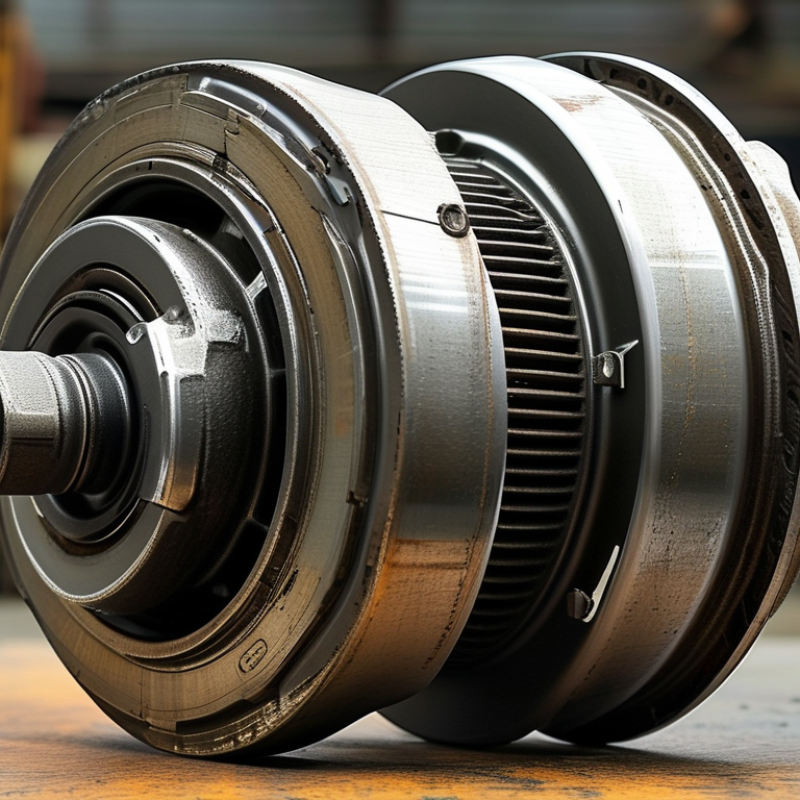
A wheel hub assembly connects the wheel to the vehicle’s suspension. It usually contains the hub, bearing, flange, and an ABS speed sensor or encoder. The bearing lets the wheel rotate smoothly while carrying the vehicle’s load. The ABS sensor reads wheel speed and supports braking and stability systems. A small sensor fault can therefore become a serious warning light.

The bearing faces radial and cornering loads. It also manages heat, vibration, and road contamination. In practice, a humming sound that rises with speed often suggests bearing wear. Uneven play may indicate damage, but diagnosis should include tire condition and suspension joints. Guessing is expensive. Fortune Business Insights valued the global automotive wheel hub bearing market at about USD 5.43 billion in 2023 and projected approximately USD 8.14 billion by 2032. This growth reflects rising replacement demand and increasingly integrated sensor designs.

When choosing a 2026 assembly, match the exact vehicle application, axle position, brake system, and sensor type. Check the manufacturer’s load rating, sealing design, connector shape, and installation torque. The U.S. National Highway Traffic Safety Administration reports that tire-related crashes cause more than 600 deaths annually in the United States. A hub does not replace tire maintenance, but poor installation can affect wheel control. I would verify fitment twice. Catalogue data can still be incomplete.

How to Identify Your Vehicle’s Correct Hub Assembly

How to Choose the Right Wheel Hub Assembly in 2026?

How to Identify Your Vehicle’s Correct Hub Assembly

Choosing a wheel hub assembly starts with accurate vehicle identification. Record the model year, engine size, drivetrain, and axle position. A front hub may not match the rear hub.

Use the vehicle identification number to confirm the original specifications. Then compare the hub’s bolt pattern, flange shape, bearing dimensions, and wheel speed sensor connection. Count the mounting bolts carefully. One misplaced hole can stop installation.

Do not trust appearance alone. Two assemblies may look identical but use different axle splines or sensor connectors. Check whether your vehicle has two-wheel drive, four-wheel drive, or an integrated brake system. Measure the old part only after removing dirt and rust from its surface.

I have seen incorrect hubs cause noise, warning lights, and uneven wheel movement. A reliable technician also checks the repair manual and verifies torque requirements. Never reuse damaged fasteners. Keep the new assembly clean, especially near the sensor ring.

Test the connector before final assembly. It should lock firmly without excessive force. After installation, rotate the wheel by hand and check for roughness or play. I still recheck the part number before fitting it. Small assumptions create expensive delays.

How to Choose the Right Wheel Hub Assembly in 2026?

How to Identify Your Vehicle’s Correct Hub Assembly

Before purchasing a wheel hub assembly, verify the vehicle identity, hub dimensions, sensor compatibility, and installation requirements. The chart shows the main checklist areas and the number of key details that should be confirmed for an accurate fit.

Checklist items include model year, drivetrain, bolt pattern, center bore, flange dimensions, bearing design, ABS connector, axle-nut specifications, and fastener requirements.

Which Hub Assembly Features Match Your Driving Needs

How to Choose the Right Wheel Hub Assembly in 2026?

The right hub assembly should match your driving habits, not just your vehicle’s model year. Daily city driving demands smooth rotation, reliable seals, and quiet operation. Frequent highway trips require accurate wheel-speed sensor signals for stable braking assistance. If you regularly carry heavy loads, check the assembly’s load rating carefully. A lower-rated part may feel fine at first, then develop play or noise.

Road conditions matter too. Drivers in snowy regions should prioritize corrosion-resistant materials and protected connectors. Gravel roads can expose seals to dust, water, and sharp debris. For performance driving, tighter bearing control may improve steering response, but comfort can suffer. That trade-off is easy to overlook. Always verify bolt pattern, spline count, sensor compatibility, and manufacturer specifications before buying. A visual match is not enough.

Tips: Compare the old assembly with the replacement before installation. Spin the bearing by hand and listen for grinding. Check the connector for damage. After fitting it, torque fasteners with a calibrated tool and test the vehicle at low speed. I have seen rushed installations create false sensor warnings. The part was correct, but the fitting was poor. If vibration remains, inspect tire balance, suspension joints, and axle seating instead of blaming the hub immediately. Some problems need a second look.

How to Compare Quality, Compatibility, and Safety Standards

How to Choose the Right Wheel Hub Assembly in 2026?

How to Compare Quality, Compatibility, and Safety Standards

Choosing a wheel hub assembly requires more than matching a catalog number. Confirm the vehicle’s VIN, axle position, engine option, and production date. Small differences can affect fitment. Check the original bearing dimensions, flange pattern, spline count, and ABS sensor connection. A precise match prevents installation stress and uneven braking.

Quality appears in details that are easy to miss. Examine the seal for even edges and firm seating. Rotate the bearing by hand. It should feel smooth, without grinding or side play. Ask for material specifications, load testing, corrosion testing, and batch traceability. Clear documentation shows stronger manufacturing control. A polished package proves little.

Safety demands careful verification. Compare the assembly with the vehicle manufacturer’s torque values and applicable regional requirements. Confirm sensor accuracy, connector protection, and resistance to water and road salt. Experienced technicians often inspect the mating surface before installation. Rust or trapped dirt can create false bearing play. It happens.

I once treated a clean-looking flange as acceptable and overlooked a slight distortion. The recheck took minutes, but the correction prevented repeat labor. That imperfect moment still influences every inspection. A reliable supplier should provide fitment evidence, installation guidance, and a warranty with understandable conditions. Never treat low price as proof of value.

How to Verify Installation Requirements and Long-Term Value

Choosing a wheel hub assembly in 2026 requires more than matching a part number. Verify the vehicle identification number, model year, drive layout, and bearing design. Check flange dimensions, stud spacing, connector type, and ABS sensor compatibility. A small mismatch can trigger warning lights or uneven braking.

Installation requirements deserve equal attention. Follow the service manual for axle-nut torque, tightening sequence, and replacement fasteners. Never guess torque values. Clean the knuckle and mounting face before fitting the assembly. Confirm the sensor cable has enough clearance from the rotor and suspension. After installation, scan the ABS system and complete a low-speed road test. A quiet bearing can still be incorrectly preloaded. That mistake may appear months later.

S&P Global Mobility reported that the average U.S. vehicle age reached 12.6 years in 2024. Older vehicles need parts that tolerate corrosion, repeated heat cycles, and imperfect road surfaces. Compare warranty terms, seal quality, corrosion protection, and documented testing. The cheapest unit may cost more after repeated labor. I have learned that “direct fit” is not always precise enough. Workshop records and manufacturer specifications remain stronger evidence.

Tips: Photograph the original connector and cable route. Measure the old flange if fitment data looks unclear. Recheck torque after the first inspection, not by feel. Keep the invoice and test results for future diagnosis.

Blogs