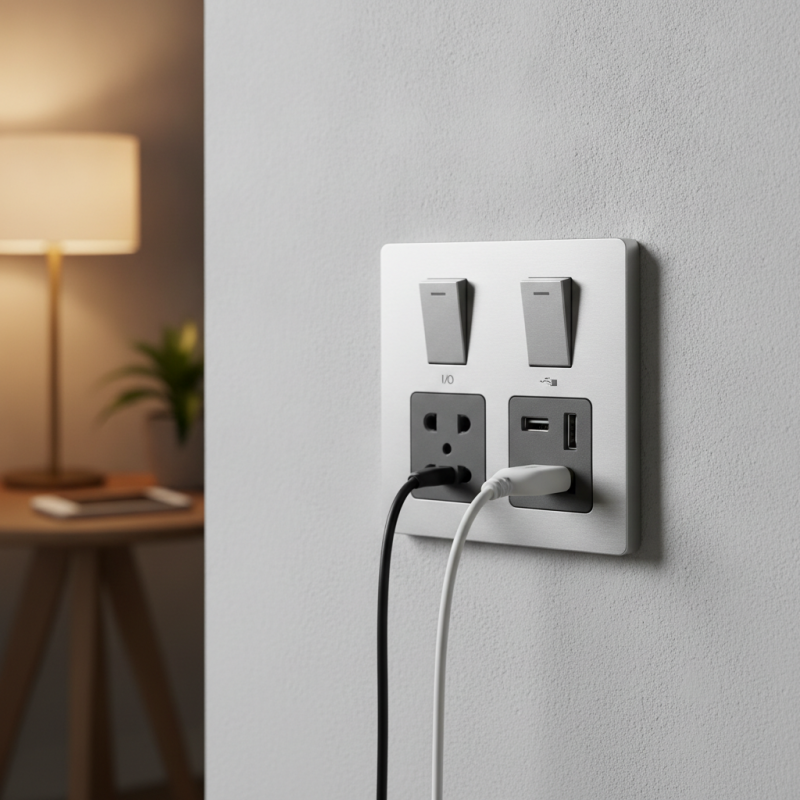
How to Choose the Best Switch Socket for Your Needs?
Choosing the right Switch Socket can significantly impact your daily life and home safety. With the wide variety of options available, it's crucial to make an informed decision. The right switch socket should meet your needs without compromising on quality.
When selecting a switch socket, consider your power requirements. Think about the devices you will connect. Standard sockets might not suffice for high-powered appliances. Additionally, the design and safety features are vital. Elegant designs can enhance your decor, while safety certifications ensure reliability.
It's easy to overlook the importance of these details. Many people choose the most visually appealing switch socket without considering functionality. Reflecting on your specific needs will lead to better choices. Remember, the switch socket is a key component of your electrical system. Take the time to find the one that fits best.
Understanding Different Types of Switch Sockets Available in the Market
When it comes to switch sockets, understanding your options is crucial. The market offers several types, each designed for specific needs. Standard sockets are common in most homes. They provide basic functions and are usually sufficient for everyday use. However, consider the variety of specialized sockets available. These can include USB sockets, which are extremely useful for charging devices without bulky adapters.
Another option is smart sockets. They allow for remote control and automation, a great choice for tech-savvy users. These sockets often integrate well with home automation systems. It's important to assess how you plan to use your sockets. Will you need multiple devices charged simultaneously? Or do you prefer the convenience of smart home integration?
Installation can also vary by type. Some sockets require professional installation, especially if they involve complex wiring. If you aren't comfortable with electrical work, hiring an expert might be necessary. Reflect on your ability and willingness to take on such tasks. Making the right choice can enhance the safety and functionality of your home.
Evaluating Electrical Specifications: Voltage, Amperage, and Compatibility
When choosing a switch socket, electrical specifications are crucial. Voltage is often the first factor to consider. Most residential appliances in the US operate on 120 volts. However, some devices, like dryers, use 240 volts. Ensure the socket can handle the required voltage to prevent malfunctions or safety hazards.
Amperage is equally important. Standard sockets usually support 15 to 20 amperes. If you're powering multiple devices, you may need a higher rating. According to industry reports, overloading sockets is a common mistake. This can lead to overheating and increased fire risk. Always check the amperage ratings to match your devices' needs.
Compatibility with existing wiring should not be overlooked. Not all switch sockets fit seamlessly with older wiring systems. Upgrading a socket without addressing wiring may lead to inefficiencies. Research indicates that mismatched components often result in performance issues. It's essential to ensure a good fit for optimal functionality. Evaluating these key aspects can enhance safety and performance.
Assessing Safety Features: Surge Protection and Child Safety Locks
When selecting a switch socket, safety features are crucial. Surge protection is essential to safeguard your devices from voltage spikes. According to industry data, surge protectors can reduce the risk of damage by up to 30%. Electrical surges can occur due to various factors, such as lightning strikes or faulty wiring. A good surge protector can absorb excessive voltage, preventing equipment failure and potential fire hazards.
Child safety locks are another important consideration. With many households having young children, these locks can greatly reduce the risk of accidental shocks. The Consumer Product Safety Commission reports that electrical accidents are a leading cause of injury among children. Installing sockets with built-in child safety features can lower these risks significantly.
Additionally, many parents overlook this aspect when choosing sockets, which can lead to regrettable consequences. Opting for a switch socket equipped with both surge protection and child safety locks is wise. These features may add to the initial cost, but they offer long-term safety benefits. It's important to evaluate these aspects critically. Not all products guarantee effectiveness, so thorough research is necessary.
Making informed decisions can help prevent future issues. Prioritizing these safety features creates a safer environment for your family and protects your valuable devices.
Considering Design and Aesthetics: Styles and Finishes for Your Space
When selecting a switch socket, design and aesthetics play a crucial role in enhancing your living space. According to a report by the American Society of Interior Designers, around 73% of homeowners prioritize aesthetics when renovating their homes. This preference emphasizes the need to choose switch sockets that blend seamlessly with your interior decor.
Various styles of switch sockets are available, from sleek modern designs to vintage-inspired options. For instance, minimalist designs with clean lines are trending in contemporary homes. In contrast, decorative finishes like ceramic or brushed metal may appeal to traditional settings. A survey by Houzz revealed that 61% of respondents replace their electrical fittings for improved style, underlining the importance of aesthetic choices.
Color is another essential aspect to consider. Neutral tones like white and beige are versatile, while bold colors can make a statement. However, it is crucial to assess how they impact the overall ambiance of the space. As design preferences evolve, homeowners must weigh the need for style against practicality. Balancing these factors can be challenging, yet it is essential for achieving a harmonious interior.
Choosing the Best Switch Socket: Styles and Finishes
Budgeting: Finding Quality Switch Sockets That Fit Your Financial Plan
When budgeting for switch sockets, quality is key. You want reliable products that ensure safety. Be cautious: cheaper options may not offer the same protection. Look for materials that resist wear and tear. Check the electrical ratings to avoid overloads.
Research is vital. Reviews can guide your choices. Focus on user experiences rather than marketing claims. You may find recommendations that seem great but lack real-world performance. Don’t overlook the importance of certifications. They indicate compliance with safety standards.
Consider long-term costs, too. A higher initial investment can save money over time. Quality sockets reduce maintenance and replacement needs. Reflect on your usage requirements. Regular use may demand sturdier sockets. Don’t hesitate to ask professionals for guidance. Their expertise can help find a balance between cost and quality.