How to Choose the Right DC Molded Case Circuit Breaker for Your Needs?
Choosing the right DC molded case circuit breaker (MCCB) is crucial for reliable electrical systems. In 2022, the global MCCB market was valued at approximately $5 billion, reflecting a shift towards advanced protective technologies. These circuit breakers are essential for safeguarding DC electrical networks.
When selecting a DC molded case circuit breaker, consider the specific application. The load requirements, voltage, and fault protection parameters significantly influence your choice. For instance, a DC MCCB designed for renewable energy applications may offer features tailored to solar or wind systems. Yet, not all manufacturers provide detailed specifications, which can lead to confusion.
Analyzing the quality of different DC molded case circuit breakers can be challenging. Some products may lack adequate testing and certification, posing risks. Engaging with expert recommendations and industry standards is vital. Ultimately, reflecting on your unique needs will guide you toward the most suitable solution while ensuring safety and efficiency.
Understanding the Basics of DC Molded Case Circuit Breakers
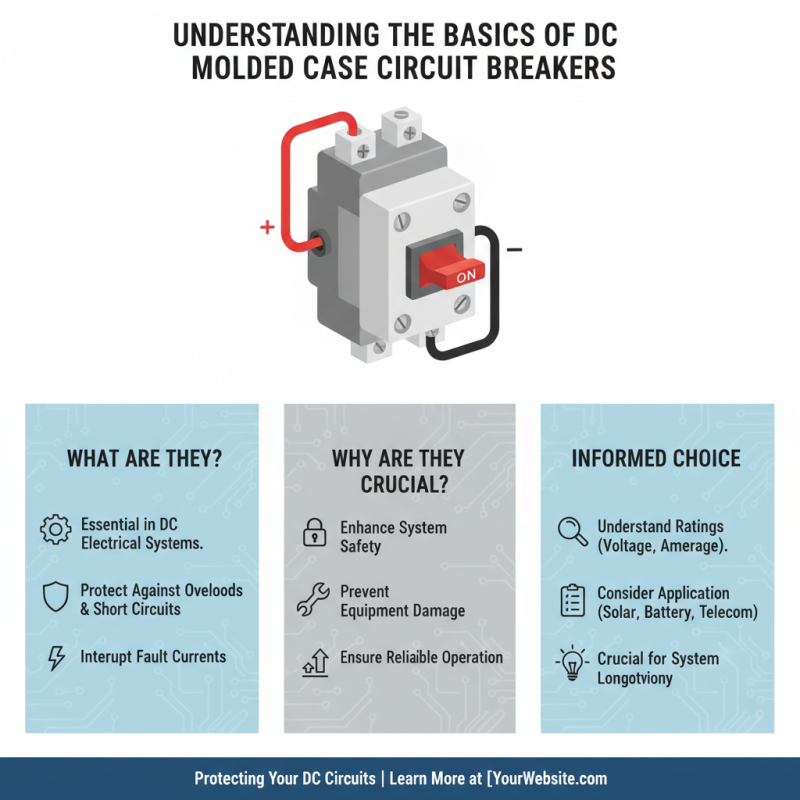
DC molded case circuit breakers (MCCBs) are essential in electrical systems. They help protect against overloads and short circuits. Understanding the basics of these devices is crucial for making an informed choice.
MCCBs work by interrupting the electrical flow during faults. They are designed to handle direct current applications effectively. Users must know the current rating and voltage requirements. Some people overlook these specifications. This can lead to insufficient protection or nuisance tripping.
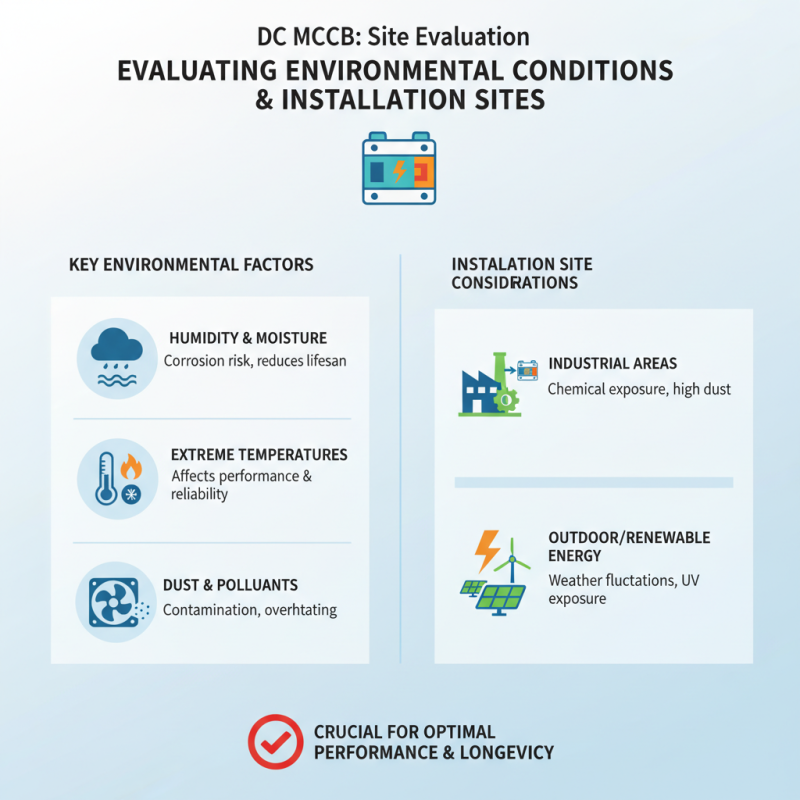
Additionally, consider the physical size of the MCCB. Space constraints in panels may limit options. It's also important to review the environmental conditions. High humidity or dust may affect performance. Finding the right MCCB involves looking at both technical details and practical aspects. Taking time to think through these factors can save future headaches.
Key Factors to Consider When Selecting a DC Circuit Breaker
When selecting a DC molded case circuit breaker, several key factors come into play.
The voltage rating is critical. Ensure the breaker matches the system's voltage needs. A mismatch can lead to
equipment failure. Current rating is another vital aspect. It must handle the load without tripping unnecessarily.
Too low a rating may cause frequent interruptions.
Consider environmental factors as well. The breaker should withstand specific conditions like
temperature and humidity. These elements affect performance and reliability. Look for features like
short-circuit protection. This can prevent catastrophic failures in your system.
A circuit breaker needs to be user-friendly. Complicated mechanisms may lead to mistakes during maintenance.
Finally, think about the physical size and mounting options. It should fit your existing setup without modifications.
Space can be limited, and an ill-fitting component could create issues down the line.
Interaction with other devices in the system is also essential. Verify compatibility,
as not all breakers work seamlessly with every equipment type. By keeping these considerations in mind,
you can make a more informed choice.
Analyzing Load Requirements for Your DC Applications
When selecting a DC molded case circuit breaker (MCCB), it's crucial to analyze load requirements carefully. In many applications, the load can fluctuate. According to a 2021 industry report, approximately 30% of circuit breaker failures are due to underestimating load demands. This statistic highlights the importance of precise calculations.
Consider your specific application. For instance, solar energy systems often require breakers rated for a continuous load of 125% or more. This is vital for handling surges during peak sun hours. A general guideline in the industry suggests calculating both average and peak loads. Neglecting either can lead to serious issues, including equipment failure.
Don't forget environmental factors. MCCBs may operate in extreme temperatures or humid conditions. These elements can affect performance. The same report showed that 20% of installations failed to account for such conditions. Oversizing or undersizing your MCCB can lead to inefficiencies, increased costs, and safety hazards. Regular assessments are necessary, as well as adjustments for future load changes. This ongoing reflection is vital for maintaining system reliability.
How to Choose the Right DC Molded Case Circuit Breaker for Your Needs? - Analyzing Load Requirements for Your DC Applications
| Load Type |
Voltage Rating (V) |
Current Rating (A) |
Interrupting Capacity (kA) |
Recommended Circuit Breaker Type |
| LED Lighting |
48V |
10 |
5 |
DC MCCB |
| DC Motors |
24V |
20 |
10 |
DC MCCB |
| Charging Stations |
360V |
40 |
15 |
DC MCCB |
| Battery Systems |
12V |
30 |
6 |
DC MCCB |
| Telecommunication Systems |
48V |
15 |
5 |
DC MCCB |
Comparing Features and Protection Ratings of Various Models
When choosing a DC molded case circuit breaker (MCCB), features and protection ratings stand out. Consider the continuous current rating. This indicates the maximum current the breaker can handle. Typically, it is expressed in amps. Another crucial aspect is the short-circuit protection rating. This rating shows how well the breaker can protect against overload and fault currents.
Next, look at the tripping characteristics. Some breakers trip faster, offering better protection for sensitive equipment. Others allow brief overcurrents. It’s essential to match these characteristics to your application. Reflect on your specific needs. The wrong choice can lead to equipment damage or system failures.
Additionally, don’t overlook the installation process. Some models are complex, requiring specialized knowledge. Simpler alternatives may be available. However, simple doesn't always mean effective. Testing the performance of different models can help. Check how they respond to various fault conditions. This insight could save you time and money later.
Comparison of DC Molded Case Circuit Breaker Features and Protection Ratings