How to Choose LiFePO4 Fishing Boat Batteries at Canton Fair?
Choosing the right LiFePO4 Fishing Boat Batteries is crucial for optimizing performance. Recent industry reports highlight the surge in demand for lithium battery technology, particularly for marine applications. The global market for lithium batteries is expected to grow by 20% annually. This growth indicates a shift in preferences among boat owners.
The 139th Canton Fair provides an excellent platform for buyers to explore available options. Advanced search functions, powered by AI, aid in finding suppliers with essential certifications like ISO and CE. This innovation enhances buyer efficiency, ensuring they connect with quality manufacturers. Yet, with numerous options, buyers may feel overwhelmed.
Not every product advertised is up to standard. Some batteries may not meet the rigorous demands of marine environments. Buyers should critically evaluate specifications and seek out brands with proven track records. In this market, knowledge and scrutiny are key to making informed decisions about LiFePO4 Fishing Boat Batteries.
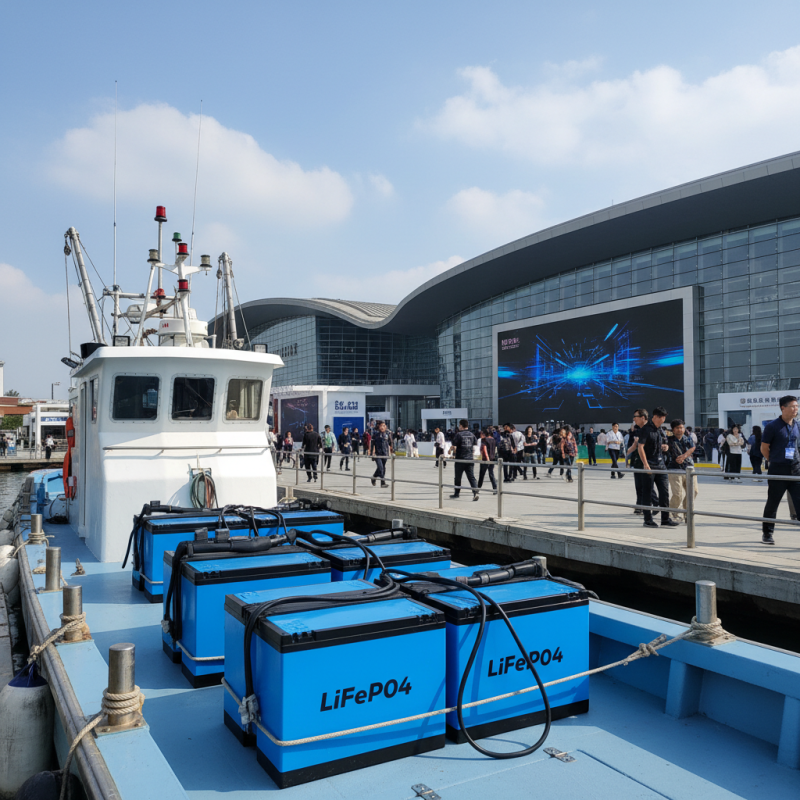
Factors to Consider When Selecting LiFePO4 Batteries for Fishing Boats
Choosing LiFePO4 batteries for fishing boats requires careful consideration. Start by evaluating capacity. Consider how long you plan to be out on the water. The battery must store enough energy for all your needs. A capacity that’s too low can lead to unexpected downtime.
Next, assess weight and size. Fishing boats often have limited space. A bulky battery might not fit well. Lightweight options improve handling, especially when the boat is afloat. Pay attention to the design. Some batteries are easier to install and maintain than others.
Another factor is the charging cycle. LiFePO4 batteries typically have a long life span. But, improper charging can reduce that lifespan significantly. Look for models that offer smart charging options. They are more forgiving in various conditions. Remember that not every battery will meet your specific requirements. Reflect on what features are essential for your fishing trips.
Understanding the Advantages of LiFePO4 Batteries Over Traditional Options
When considering lithium iron phosphate (LiFePO4) batteries for fishing boats, it is crucial to understand their advantages. These batteries have a longer lifespan compared to traditional lead-acid options. Typically, a LiFePO4 battery can last up to 10 years with proper use. In contrast, lead-acid batteries often only last about 2-3 years.
LiFePO4 batteries are also much lighter. This weight reduction enhances fuel efficiency in boats. For anglers, every bit of weight matters when you're casting off for long trips. Additionally, these batteries have a higher discharge rate, providing more consistent power. This is essential for running various electronics while on the water.
However, the upfront cost can be a hurdle. While they save money in the long run, many may find the initial price daunting. It’s worth considering how often you go fishing. If you're a frequent user, the investment could pay off. But for occasional trips, traditional batteries might still seem appealing. Choosing the right battery involves balancing cost against performance and longevity.
Evaluating Battery Capacity and Power Requirements for Your Fishing Needs
When choosing LiFePO4 batteries for fishing boats, evaluating battery capacity is crucial. Your boat's power needs depend on several factors. Appliance ratings and usage duration play a significant role. For example, a fish finder might draw about 1.5 amps. If used for 10 hours, that totals 15 amp-hours. Understanding these requirements is essential.
Power requirements vary widely among fishing applications. A typical electric trolling motor might require 50 to 60 amps per hour. When considering longer fishing excursions, this can quickly multiply your battery needs. Estimates suggest that a 100 amp-hour battery may be optimal for a day on the water. However, overestimating your requirements could lead to excessive costs or underperformance.
Reflecting on industry reports, it shows that many boaters often miscalculate their energy needs. Some underestimate typical consumption and over-rely on battery life. Over time, this can result in frustration. Proper calculation along with practical usage strategies can enhance your experience on the water. It’s wise to use tools or apps designed to help estimate these needs accurately.
Assessing the Quality and Safety Standards of LiFePO4 Batteries at Canton Fair
When selecting LiFePO4 fishing boat batteries at the Canton Fair, quality and safety are paramount. Reports indicate that LiFePO4 batteries have a lifespan of over 2000 cycles, making them an attractive option for marine applications. However, the variety in manufacturing processes can affect performance. Pay attention to certifications. A reputable manufacturer should provide evidence of compliance with international safety standards, such as IEC 62133 and UL 1973.
Inspect the battery for any visible defects. Look for consistent welds on terminals and no signs of swelling or leakage. These imperfections can lead to battery failure. Also, verify the thermal stability data. Quality LiFePO4 batteries typically maintain performance in temperature ranges from -20 to 60 degrees Celsius. This is crucial for marine environments where temperature fluctuations are common.
Tips: Research the supplier's background. A manufacturer with a strong reputation is likely to prioritize safety. Be cautious if the price seems too good to be true. Low-cost batteries can compromise quality. Always ask for test reports. Understanding the battery's capabilities helps ensure safety on the water.
How to Choose LiFePO4 Fishing Boat Batteries at Canton Fair?
| Parameter | Description | Value | Unit |
| Battery Type | Type of battery suitable for fishing boats | LiFePO4 | - |
| Nominal Voltage | Standard voltage of the battery | 12 | V |
| Capacity | Total energy storage capacity | 100 | Ah |
| Cycle Life | Number of charge/discharge cycles | 2000 | Cycles |
| Weight | Weight of the battery | 25 | kg |
| Operating Temperature | Recommended temperature range for operation | -20 to 60 | °C |
| Safety Standards | Certification for safety compliance | UL 1973 | - |
Tips for Comparing Prices and Manufacturers of LiFePO4 Batteries
When attending the Canton Fair, selecting LiFePO4 fishing boat batteries requires careful consideration of price and manufacturing quality. The growing demand for efficient energy solutions prompts buyers to make informed choices. Recent industry reports indicate that the global market for LiFePO4 batteries is anticipated to reach $18 billion by 2026. Price variability is a significant concern for both new and seasoned buyers.
Tips: Pay attention to the battery’s cycle life. A high-quality LiFePO4 battery should have a cycle life exceeding 2000 charges. Compare prices not just by the unit cost but also by the performance specifications offered. Some manufacturers may provide lower quotes, but hidden fees can inflate your total cost later. Always verify the warranty and support services.
It's crucial to analyze manufacturers and their reputations. Not every supplier will have comparable quality. Look for reviews and request references. Data shows that reliable suppliers often invest significantly in R&D. The investment reflects in product longevity and safety standards. However, some suppliers may not disclose enough information or cut corners. This makes thorough research vital to avoid subpar products. Be cautious and demand transparency.



