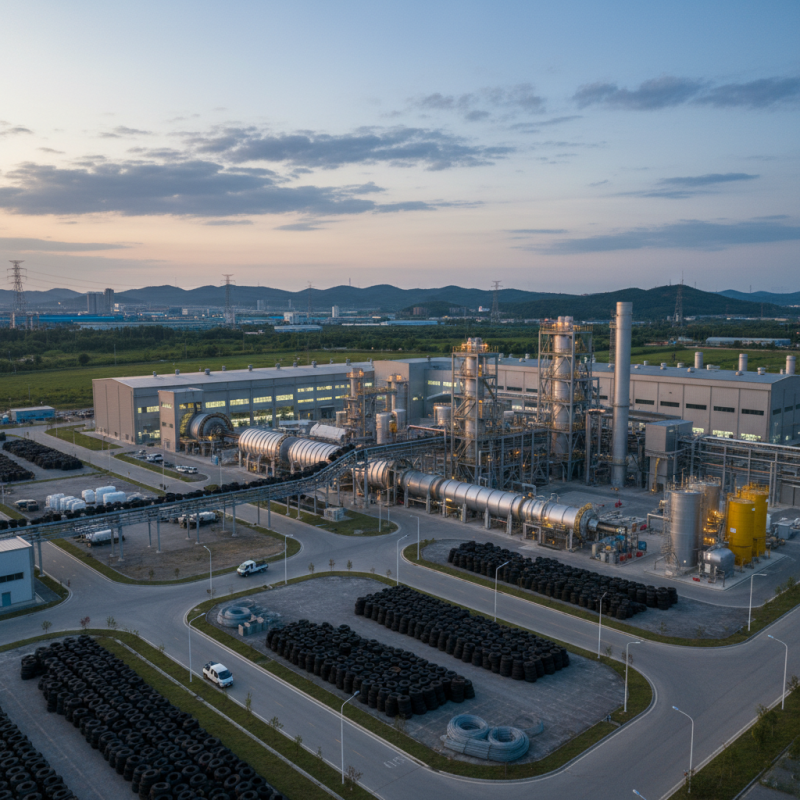
How to Choose the Best Continuous Waste Tire Pyrolysis Plant?
Choosing the best Continuous Waste Tire Pyrolysis Plant is crucial for effective waste management. Many factors influence this decision. The right plant can transform waste tires into valuable products. However, many options are available in the market.
When evaluating a Continuous Waste Tire Pyrolysis Plant, consider its efficiency and technology. The plant should meet industry standards and have proven environmental benefits. Look for manufacturers with a track record of success. Check for user reviews and testimonials to gauge reliability.
Selecting a plant is not just about price. It involves understanding the technology and production capacity. Many buyers overlook the importance of after-sales support. This factor can greatly impact operations. Be mindful of your unique needs. Each plant has its features and limitations, and reflecting on them is essential for making the right choice.
Understanding Continuous Waste Tire Pyrolysis Technology
Continuous waste tire pyrolysis technology is an innovative method for recycling used tires. It involves heating tires in an oxygen-free environment, leading to thermal decomposition. This process converts tires into valuable products like pyrolysis oil, carbon black, and gas. According to a recent industry report, about 1.5 billion tires are discarded annually worldwide. This staggering number highlights the critical need for sustainable waste management solutions, such as pyrolysis technology.
Tips: When selecting a pyrolysis plant, review its emissions data carefully. Confirm that it meets environmental regulations. This process can generate pollutants if not managed properly.
The efficiency of continuous pyrolysis systems can exceed 90%. They minimize human intervention, leading to lower operational costs. However, the choice of feedstock impacts output quality. Research indicates that tires rich in synthetic rubber yield more oil than those primarily composed of natural rubber. Understanding these nuances can significantly influence your investment decisions in this sector.
Key Factors to Consider When Choosing a Pyrolysis Plant
Choosing the right continuous waste tire pyrolysis plant requires attention to essential factors. First, consider the plant's efficiency. A plant that operates continuously will yield higher output, making it cost-effective. According to industry reports, such plants can convert up to 90% of waste tires into oil, carbon black, and gas when optimized correctly.
Next, evaluate the technology used. Advanced pyrolysis technology ensures cleaner emissions and higher energy recovery rates. Notably, innovations in catalysts and heating methods can enhance overall sustainability. Research indicates that modern pyrolysis plants can reduce greenhouse gas emissions by significantly minimizing harmful byproducts.
Tips: Always check for certifications. Compliance with environmental regulations shows the plant meets industry standards.
Additionally, look into the support and training provided by manufacturers. A reliable provider will offer necessary maintenance options and training for your team. This reduces downtime and increases the plant's operational lifespan. Some buyers overlook the importance of this factor, leading to future operational challenges.
Tips: Ask for customer testimonials. Real user feedback can point out true performance and reliability.
Evaluating the Efficiency and Capacity of Pyrolysis Equipment
When evaluating the efficiency and capacity of waste tire pyrolysis equipment, various factors come into play. The efficiency of a pyrolysis plant largely depends on its design and technology. High-performance plants should demonstrate a high rate of conversion, turning tires into valuable byproducts like oil, gas, and carbon black. Capacity is also crucial; a plant should handle the expected volume of tires seamlessly. Choose equipment that matches your operational needs.
Tips: Look for plants that offer customizable features. This allows you to adjust the process to maximize output. Also, consider energy consumption. Efficient plants use less energy, leading to cost savings over time.
Maintenance and reliability should not be overlooked. Effective systems require regular upkeep to ensure optimal performance. A reliable setup minimizes downtime and maximizes production. Always assess the technical support provided by manufacturers. Access to expertise can make a significant difference in smooth operations.
Remember, the best choice may not be the flashiest option. Sometimes, simpler designs prove to be more effective. Reflect on your specific requirements and long-term goals before making a decision.
Assessing Safety and Environmental Compliance in Pyrolysis Plants
When selecting a continuous waste tire pyrolysis plant, safety and environmental compliance are critical factors to consider. Pyrolysis involves high-temperature processing of tires, which can release harmful emissions if not managed properly. Effective filtration and gas cleaning systems are essential. They help eliminate toxins and pollutants, ensuring cleaner air.
Regulatory compliance is another essential aspect. Each region has specific environmental standards that pyrolysis plants must meet. Understanding these regulations can guide your choices, ensuring the plant operates within legal limits. Verifying the plant’s compliance with local laws will also build trust in its operation.
Lastly, consider the safety protocols in place at the facility. Are they equipped with emergency shut-off systems? Regular maintenance checks and staff training also contribute to operational safety. These measures may seem basic, but they directly affect plant reliability and public safety. Remaining vigilant and asking the right questions can ensure that your pyrolysis plant choice is both safe and environmentally responsible.
Cost Analysis and Return on Investment for Pyrolysis Systems
When considering the return on investment for pyrolysis systems, several factors come into play. A recent industry report indicates that the average cost of a continuous waste tire pyrolysis plant ranges from $300,000 to $1 million, depending on its capacity and technology. Operational costs are often an overlooked aspect. Maintenance, labor, and energy consumption can impact the overall expenses significantly.
Return on investment (ROI) can vary dramatically based on location and market conditions. According to analyses, companies can expect an ROI of around 30-50% if the output, typically carbon black, oil, and steel, is sold strategically. However, market fluctuations can pose risks. The selling price for pyrolysis oil can shift, affecting profitability. Some plants source tires locally, which may reduce transportation costs but could also face supply stability challenges.
Moreover, the technology used in the plant influences not just costs but also efficiency. Older systems may have high failure rates, leading to increased downtime and unexpected repairs. Many operators find that investing in advanced technology can mitigate these risks and enhance output quality. It is crucial to conduct thorough research and consider market trends before making a final investment decision.