2026 How to Choose the Right Surge Protective Device for Your Home?
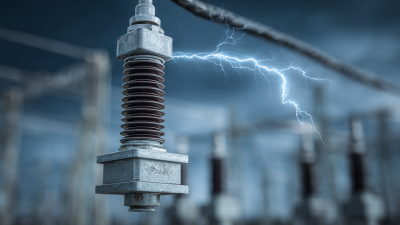
Choosing the right surge protective device for your home is crucial. As the expert in electrical safety, Dr. Emily Carter emphasizes, “A surge protective device is your first line of defense.” A surge protective device can prevent damage from sudden electrical surges. These surges can come from lightning strikes, power outages, or even appliances turning on and off.
Selecting the right device involves understanding your specific needs. Not all surge protective devices are equal. Factors like voltage rating, response time, and joule rating matter. A wrong choice could lead to inadequate protection. It’s essential to assess your home’s electrical system and the devices you want to protect.
Many homeowners overlook the importance of surge protection. They often think it’s unnecessary, assuming their devices are safe. However, the reality is that surges can happen at any time. Investing in a quality surge protective device is a wise decision. Without it, you risk losing valuable electronics and appliances.
Understanding Surge Protective Devices: Types and Functionality
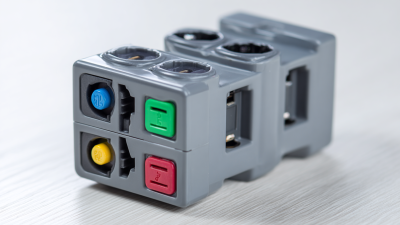
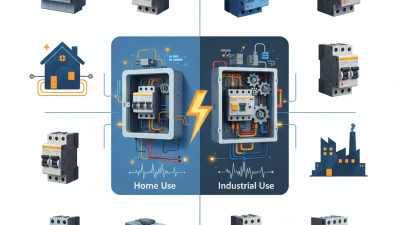
Surge protective devices (SPDs) are essential for safeguarding your home’s electrical system. They act as a barrier against voltage spikes. Understanding the types and functionality of SPDs can help in selecting the right one for your needs. There are three main types of SPDs: type 1, type 2, and type 3. Type 1 devices are typically installed at the service entrance. Type 2 devices are used for secondary protection. Type 3 devices are point-of-use devices, designed for specific appliances.
In the United States, voltage surges can vary significantly. Reports show that lightning strikes cause over 20 million surges each year. This can result in costly damages. Homes without adequate surge protection can face repair bills averaging $3,000. Choosing the correct SPD depends on your home’s wiring, the number of devices connected, and your unique risk factors.
**Tip:** Regularly check your surge protective devices. Ensure they are functional and replace them as needed. Many devices have indicators showing when they need replacement.
Another aspect to consider is clamping voltage. This is the voltage level that triggers the SPD to act. The lower the clamping voltage, the better the protection. However, overly sensitive devices can cause nuisance tripping. Ultimately, assess your home’s specific electrical appliances and needs before making a decision.
**Tip:** Consult with a licensed electrician to evaluate your home. A professional can provide insights that may save you from costly mistakes.
Evaluating Energy Ratings: Choosing the Right Joule Rating
When selecting a surge protective device (SPD) for your home, understanding energy ratings is crucial. The joule rating indicates how much energy the device can absorb before failing. Devices with higher joule ratings generally offer better protection. For instance, a SPD with a rating of 2,500 joules can handle numerous surges, while one rated at only 1,000 joules may not endure frequent surges.
Home appliances can generate surges of varying magnitudes. According to a report by the Institute of Electrical and Electronics Engineers (IEEE), a lightning strike can create surges exceeding 1,000 joules. This highlights the importance of choosing an SPD with a sufficient joule rating. Yet, many homeowners underestimate this aspect. They either opt for low-rated devices or ignore surge protection altogether.
Consider that a properly rated SPD can safeguard your expensive electronics. Failing to invest in adequate protection can lead to costly repairs or replacements. Homeowners often overlook the cumulative effect of multiple surges. Each small surge can chip away at the lifespan of your devices. Ultimately, the joule rating is not just a number; it is key to ensuring your home’s electrical safety.
How to Choose the Right Surge Protective Device for Your Home?
When selecting a surge protective device (SPD), one key factor to consider is the joule rating, which indicates the energy absorption capacity of the device. The following chart illustrates the relationship between different joule ratings and their suitability for various household electronics.
Assessing Response Times: Importance of Fast-Acting Protection
When selecting a surge protective device (SPD) for your home,
response time should be a primary focus.
Fast-acting devices can prevent damage from voltage spikes. These can occur during storms, power outages,
or when large appliances turn on. A quick response time helps ensure that your electronics remain safe.
Not all surge protectors react the same way.
Some devices may take longer to respond, leaving your appliances vulnerable.
A delay of even milliseconds can lead to significant damage.
It’s important to check the specifications of each device. Look for those that specify a
short response time, ideally in nanoseconds.
Remember, not every surge protective device is created equal. Some may promise high protection levels
but have slow response times. This is an area for critical reflection. Understand what is at risk in your home.
Evaluate not just the cost, but the potential consequences of a slow response.
Your choices today could save you from costly repairs tomorrow. Protect your home wisely.
Installation Considerations: Choosing Between Whole-House and Point-of-Use
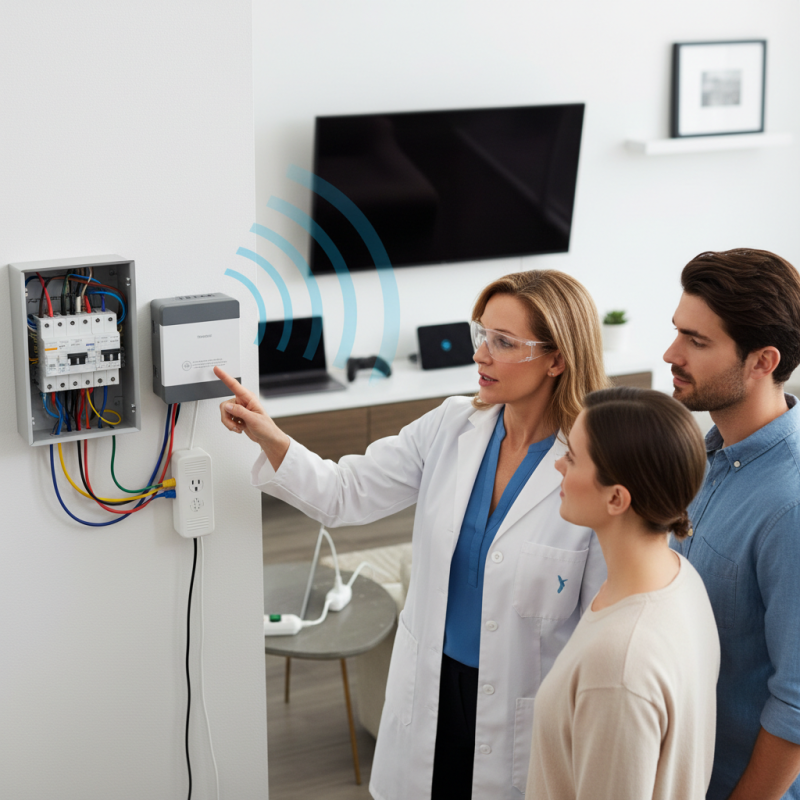
When choosing a surge protective device (SPD) for your home, installation considerations are crucial. One major decision is whether to opt for a whole-house device or point-of-use options. Whole-house SPDs protect all electronic devices from surges. They are installed at the main electrical panel. Reports indicate that a well-placed whole-house SPD can reduce the risk of damage to appliances by up to 80%.
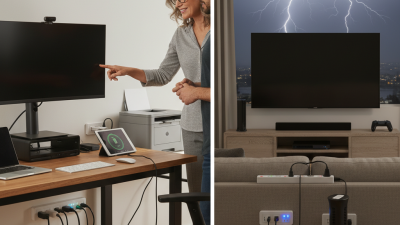
Point-of-use SPDs, on the other hand, are installed at individual outlets. They serve specific appliances or devices, such as computers or televisions. While they provide targeted protection, they may not offer the comprehensive coverage that whole-house options do. With point-of-use devices, you must assess the exact needs of each electronic device. This adds complexity to the installation process.
Cost is another factor. Whole-house units might have a higher upfront cost but often provide better long-term value by safeguarding everything. Consider the age and susceptibility of appliances in your home. Older devices might need more protection. It is important to weigh these elements carefully. An informed choice now can save you from substantial repair costs later.
Maintenance and Testing: Ensuring Long-Term Effectiveness of SPD Systems
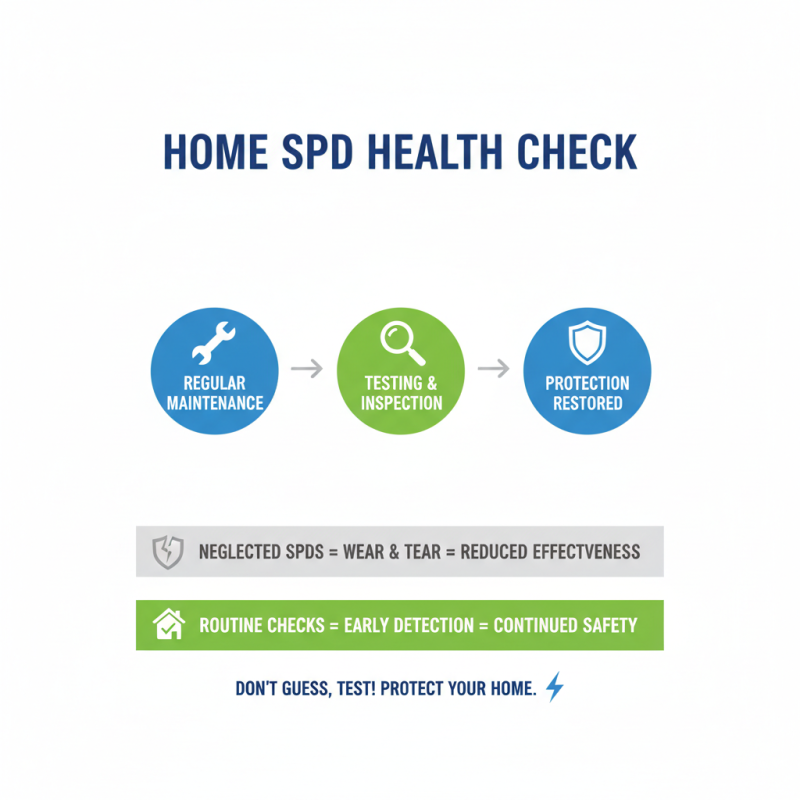
Regular maintenance and testing are crucial for surge protective devices (SPDs) in your home. Many homeowners neglect this aspect, assuming their devices will work indefinitely. However, over time, SPDs can lose their effectiveness due to wear and tear. This decline can happen without any visible signs. Regular checks can help identify potential issues before they escalate.
To maintain your SPD system, schedule annual inspections with a qualified technician. During these inspections, the technician should check the device's functionality and make necessary adjustments. Testing involves checking connections, evaluating the response time, and ensuring that the SPD activates properly during a surge. Homeowners should also visually inspect devices for signs of damage, such as discoloration or burn marks. These details often go unnoticed but are vital for continued protection.
Homeowners must reflect on their practices regarding SPD maintenance. Many rely on passive protection but fail to engage in proactive measures. It’s easy to forget about these systems until a surge causes damage. By taking small steps, such as keeping a maintenance log, homeowners can enhance the longevity of their surge protection. In the end, protecting your electrical system is about diligence and consistent care.