How to Choose the Best Motor Protection Solutions for Your Needs?
Choosing the right motor protection solutions is essential for any industry relying on electric motors. John Smith, a prominent expert in the motor protection field, emphasizes, "Effective motor protection can significantly extend the lifespan of your equipment." His insights underscore the importance of selecting appropriate solutions to avoid costly downtimes.
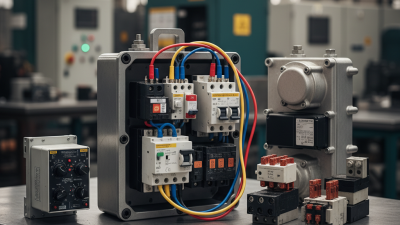
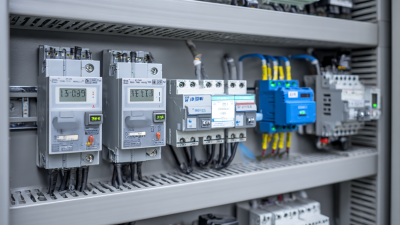
Motor protection encompasses various devices and methods designed to prevent damage to motors caused by overloads, short circuits, or environmental factors. The market offers a range of products, from thermal switches to advanced electronic protective relays. Each option has unique benefits and can be tailored to specific operational needs. Understanding the intricate demands of your motors can be daunting.
Assessing your specific requirements and conditions is crucial in making the best choice. It is easy to become overwhelmed by the choices available. Relying solely on one solution may not always yield optimal results. A balanced approach, combining various protective measures, often proves more effective. Consider consulting industry experts to navigate the complexities of motor protection. Their experience can guide you in making informed decisions, ultimately enhancing your motor's efficiency and lifespan.
Understanding the Importance of Motor Protection Solutions
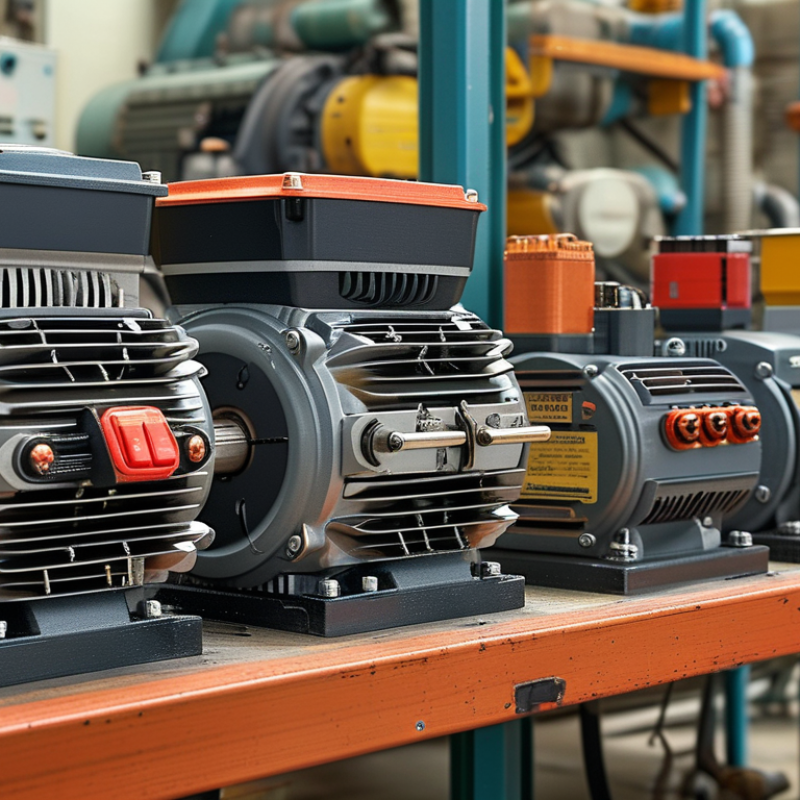
Motor protection solutions play a critical role in industrial applications. They prevent damage from overloads, short circuits, and other electrical faults. Choosing the right solutions can enhance efficiency and extend motor life. Understanding motor protection is necessary for decision-making.
When selecting protection systems, consider the motor's specific needs. Different motors have varying tolerance levels. Some environments may demand more robust solutions. This includes factors like temperature, humidity, and contamination. A tailored solution can safeguard against unexpected failures. Using generic protection may lead to vulnerabilities.
It is also essential to regularly review protection strategies. Systems can become outdated or inadequate over time. New technologies may offer better protection options. Periodic assessments can reveal weaknesses in your current setup. Reflecting on past issues helps in refining your approach. Emphasizing long-term reliability ensures operational success.
Identifying Different Types of Motor Protection Devices
When selecting the right motor protection devices, understanding the variety of options is key. Generally, these devices can be grouped into overload protection, short-circuit protection, and ground-fault protection. Each serves a distinct purpose. Overload relays protect motors from overheating due to excessive current, while fuses and circuit breakers prevent damage from short circuits. According to industry reports, the global motor protection market is projected to grow by 5.3% annually, indicating increasing industry reliance on these protective measures.
Ground-fault relays are crucial in applications where moisture or conductive materials are present. These devices monitor leakage current to prevent shock hazards, critical in environments like manufacturing. Many operators underestimate the potential risks and often fail to implement adequate ground-fault protection. A 2022 analysis found that nearly 30% of electrical accidents stem from insufficient grounding practices. This highlights the need for vigilance in these settings.
The choice between devices heavily depends on operational conditions. For instance, heavy-duty applications may require advanced electronic relays, while simpler setups can suffice with basic fuses. Engineers must evaluate the specific needs of their systems. There’s no one-size-fits-all solution. Making informed choices based on real-world data and conditions will minimize risks and enhance operational efficiency.
Evaluating Your Specific Motor Requirements and Applications
Choosing the right motor protection solutions requires a clear understanding of your specific needs. Consider the environmental factors affecting your motor. Is it exposed to dust, moisture, or extreme temperatures? Each of these can impact the motor's efficiency and longevity. Assess the application requirements. High-load operations need different protection than standard ones.
Tips: Always evaluate the ambient conditions. A sealed motor might be necessary for wet environments. Look into thermal protection as well. Overheating can cause severe damage.
Another critical factor is the type of motor used. Induction motors may have distinct requirements compared to synchronous motors. Consider the starting methods. Certain starters can provide better protection against current spikes.
Tips: Consult with experts if uncertain. They can help identify the specific protection needed. A quick check of your motor’s specifications often reveals what you should prioritize.
Reflect on the long-term implications. Investing in superior protection can prevent costly repairs. A small upfront cost can save money later. Think about your operational demands when deciding. Protecting your motor is not just about avoiding damage; it’s about enhancing performance.
Comparing Features and Benefits of Various Protection Solutions
When selecting motor protection solutions, understanding their features and benefits is essential. Various types include overload relays, circuit breakers, and fuses. Overload relays prevent excessive current and are vital for protecting motors from damage. Circuit breakers offer reset options, making them user-friendly. Fuses, on the other hand, provide a simpler and often less expensive solution but require replacement after a failure.
Tips for choosing the right solution: Assess the motor's size and operational conditions. Consider the environment in which the motor operates. Harsh conditions may require more robust protection. Don't overlook compatibility with your existing systems. Mismatched components can lead to inefficiencies or hazards.
It's also important to reflect on your needs. Are you looking for minimal maintenance or a solution that offers advanced features? These decisions hinge on the specific demands of your operations. The balance between cost and functionality is often challenging. Make sure to weigh these factors carefully.
Comparison of Motor Protection Solutions
Tips for Selecting a Reliable Supplier for Motor Protection Devices
Choosing the right motor protection solutions is critical for operational efficiency. A reliable supplier can make a significant difference. Start by researching potential suppliers. Look for those with a solid reputation in the industry. Ask for recommendations from trusted sources. Experience speaks volumes in this field.
Consider the range of solutions offered. A good supplier should provide various protective devices. These could include overload relays, thermal protection, or fuses. A diverse product selection allows you to tailor solutions to your specific needs. Check if they have expert staff who can provide insights.
Evaluate the supplier's customer service. Good communication can save time and resources later. Prompt responses to inquiries reflect a commitment to customer satisfaction. Read online reviews, but remember they can be biased. Engage directly with the supplier for a clearer understanding.