What is the Best Switch Disconnector for 2026 Top Applications?
In the evolving landscape of electrical systems, choosing the right switch disconnector is critical. As industries adapt to new technologies, applications for these devices will expand. The best switch disconnectors for 2026 must meet diverse needs, from safety to efficiency.
Different sectors rely on switch disconnectors to ensure operational integrity. In power distribution, for instance, reliability is non-negotiable. A high-quality switch disconnector can prevent equipment failure and protect personnel. Yet, selecting the ideal model can be challenging. There are numerous factors to consider, such as load ratings and environmental conditions.
It's essential to evaluate both performance and design. Industry experts often emphasize the role of durability. Yet, consumers sometimes overlook this aspect. A robust switch disconnector should withstand harsh conditions and frequent use. Understanding these nuances aids in making informed decisions for future applications.
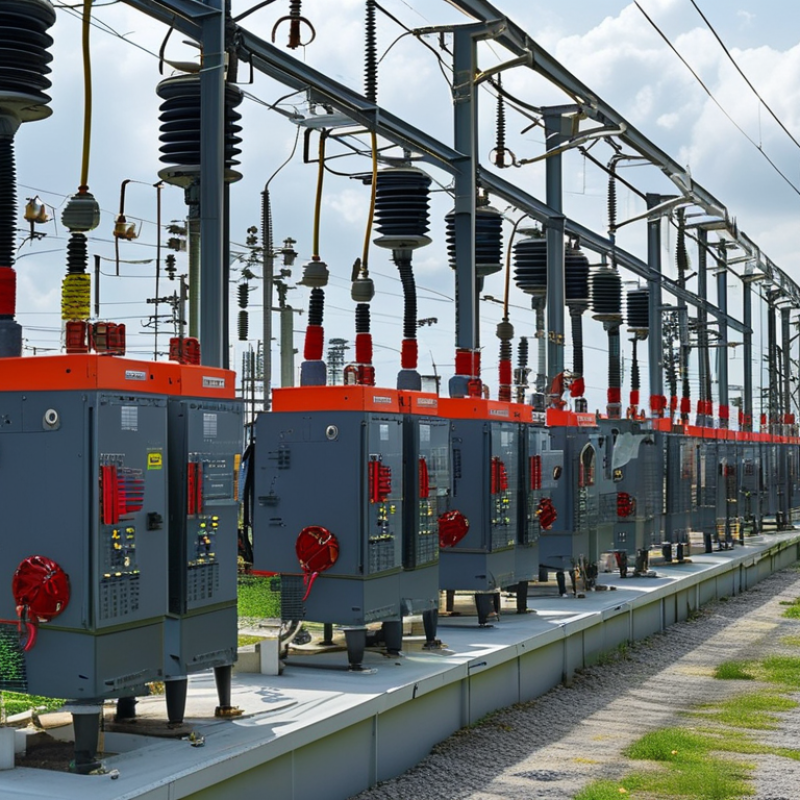
What is a Switch Disconnector and Its Role in Electrical Systems?
A switch disconnector is vital for electrical systems. It acts as a crucial safety device, isolating parts of a circuit when maintenance is needed. According to the International Electrotechnical Commission (IEC), these devices are essential in minimizing electrical risks. They ensure equipment operates safely and efficiently by cutting off power during servicing.
The role of a switch disconnector extends beyond isolation. It also helps in load management. In 2022, the global switch disconnector market was valued at approximately $2 billion, reflecting a steady growth rate. This growth is driven by increasing demand for reliable electrical infrastructure across industries. However, not all switch disconnectors meet the same safety standards. Choosing the right one requires careful consideration of electrical load, environmental conditions, and compliance with local regulations.
In many instances, users overlook the importance of regular maintenance and inspections. While switch disconnectors are designed to last, wear and tear can compromise their effectiveness. Industry studies show that over 30% of electrical faults are linked to inadequate isolation methods. This highlights the need for continuous education and training in the handling of these devices. Addressing such gaps can significantly enhance safety and reliability in electrical systems.
Key Factors to Consider When Choosing a Switch Disconnector for 2026
When selecting a switch disconnector for 2026, several key factors come into play. Understanding the specific application is crucial. The nature of the load you are controlling can dictate the specifications needed. High inrush currents or varying load types demand careful consideration. Ensuring that the disconnector can handle these variables is essential for reliable performance.
Another vital factor is the ambient conditions where the disconnector will be installed. High temperatures, humidity, or exposure to dust can affect performance. Choosing equipment with the right ingress protection (IP) rating is important. Additionally, consider the installation space and accessibility for maintenance. Sometimes, a compact design may seem appealing, but not all small models can withstand harsh environments.
Finally, professional consultation can reveal nuances that may not be immediately apparent. Clear understanding of technical requirements is necessary. Users often overlook long-term maintenance costs. Reliable products might present higher upfront costs but save money over time. Making a well-informed decision today can significantly impact efficiency and safety in 2026.
Top Switch Disconnector Applications for 2026
Top Switch Disconnector Brands Based on 2025 Market Analysis
As we look forward to 2026, understanding the best switch disconnectors is essential. Recent market analysis highlighted key brands shaping the industry. These brands stand out due to their commitment to quality, reliability, and innovation. Key features include user-friendly designs, compact sizes, and advanced safety mechanisms. Many of them offer intuitive operation and enhanced connectivity for efficient and safe electrical management.
However, selecting a switch disconnector is not straightforward. Users often face challenges in aligning their specific needs with available options. Each application might have different requirements. For instance, industrial settings may prioritize durability over compactness. In contrast, residential applications might favor aesthetics and ease of installation. The implications of such choices can result in inefficiencies or safety issues if not carefully considered.
Overall, the evolving landscape of switch disconnectors reveals opportunities and hurdles. Companies must adapt to emerging technologies while addressing varying user preferences. This dynamic highlights the importance of continuous research and development within the field. Engaging with experts and seeking out case studies can provide invaluable insights. A thoughtful approach can enhance decision-making for future applications.
Innovations in Switch Disconnectors: Trends Expected for 2026
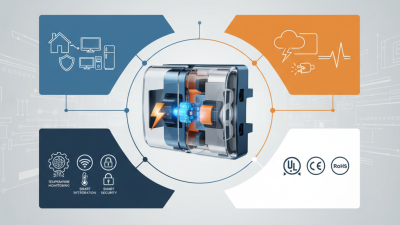
As we look toward 2026, switch disconnectors are evolving to meet new demands. Current innovations aim for enhanced safety and efficiency. These devices will integrate advanced technology, such as smart monitoring systems. Such features allow real-time data analysis, providing actionable insights into performance.
Trends show a move towards more compact designs. This addresses space limitations in modern infrastructures. Lightweight materials are becoming popular, reducing installation challenges. Users value ease of handling and installation. However, some designs may sacrifice durability for size. This is an area requiring careful balance.
Environmental considerations also play a pivotal role. Future switch disconnectors will likely be designed with sustainability in mind. This includes energy-efficient manufacturing processes and recyclable materials. Yet, the industry must confront potential challenges in sourcing these eco-friendly components. The balance of innovation and reliability remains a critical focus for developers.
Safety Standards and Compliance for Switch Disconnectors in 2026
In 2026, safety standards for switch disconnectors will evolve significantly. These standards are essential for ensuring reliability in electrical systems. Compliance with updated regulations will be paramount. It will impact design and operation at a fundamental level.
Every manufacturer must prioritize safety. Understanding local and international guidelines will be crucial. Testing procedures will require rigorous validation to demonstrate compliance. Attention to detail in the design will help mitigate risks and enhance performance.
Main challenges may include adapting to rapid technological changes. New materials might create unforeseen complications. Manufacturers should remain flexible and ready to adjust their products. Continuous training and awareness are vital for technicians. Emphasizing ongoing education can help build a culture of safety and compliance.