
7 Best IRS 2700 Series FTIR Gas Analyzers for Buyers

Selecting an FTIR gas analyzer is less about choosing the longest feature list and more about matching the instrument to real sampling conditions. This guide introduces seven IRS 2700 Series options for buyers comparing portable gas-analysis systems. It focuses on practical questions: which gases need measurement, what concentration ranges matter, and how samples will reach the analyzer. Small details count. A long sample line, changing humidity, or a busy field schedule can affect daily use.

The IRS 2700 Series Portable Fourier Transform Infrared Gas Analyzer may suit teams that need infrared-based measurements across different monitoring tasks. But product names alone do not confirm performance for a specific application. Buyers should check the manufacturer’s current specifications, including detection limits, response time, calibration requirements, supported gases, and operating conditions. Ask how the sampling setup handles moisture and particulates, and whether routine maintenance requires tools or trained service. These answers can matter more than a polished brochure.

The comparisons ahead are intended as a starting point, not a substitute for application review. Available configurations and capabilities can vary, and published information may not resolve every question. That is a real limitation. Before purchasing, confirm details directly with the supplier and request documentation relevant to your target gases and working environment. The best choice is the one whose verified capabilities fit the measurement task, not simply the one with the most impressive headline.
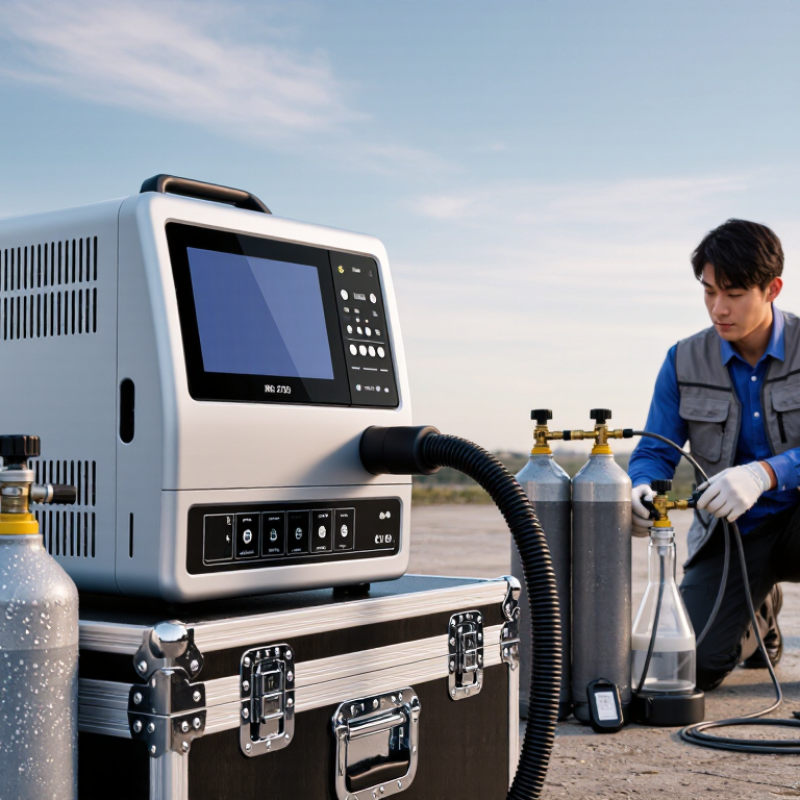
7 Best IRS 2700 Series FTIR Gas Analyzers for Buyers

IRS 2700 Series FTIR Gas Analyzer Design and Measurement Principles

An IRS 2700 Series FTIR gas analyzer uses infrared light to identify and measure gases in a sample. Its optical system typically includes an infrared source, an interferometer, a sample cell, and a detector. The interferometer modulates the light, creating a signal that carries information across many infrared wavelengths. The gas cell provides a controlled path for the sample.

Small design choices matter.

As light passes through the cell, gas molecules absorb specific wavelengths linked to their molecular structure. The detector records the resulting spectrum, and software compares absorption patterns with calibrated reference data. Absorption strength can help estimate concentration, while overlapping spectral features may require careful correction. This approach can measure several gases from one spectrum, depending on the analyzer configuration and calibration.

Real samples are rarely tidy.

Moisture, dust, pressure changes, or a leaking connection can affect readings, so sampling lines and cell conditions deserve attention. A sound measurement routine includes zero and span checks, appropriate sample conditioning, and review of unexpected results. Even a stable-looking number should be questioned if the sample flow or background has changed.

In practice, the instrument is only one part of the measurement system.

Key Specifications for Comparing IRS 2700 Series Analyzers

When comparing IRS 2700 series FTIR gas analyzers, begin with the target gases and expected concentration range. Check each model’s stated measurement range, detection limit, and accuracy for those gases. A broad range may suit changing process conditions, while a lower detection limit can matter for trace measurements. Confirm whether specifications apply to the actual gas mixture, not only to a controlled test setup.

Response time deserves close attention. A short response may help track rapid process changes, but sample-line length and flow can add delay. Compare the analyzer’s resolution, repeatability, and stated response time under similar conditions. Also review how water vapor and other gases affect readings. Small details matter. A heated sample line, for example, may reduce condensation risk, but it does not remove every source of measurement error.

Check calibration intervals, gas-cell requirements, operating temperature, and maintenance access before choosing a model. Ask for sample reports or test data using a mixture close to your own. Verify communication options and data outputs against your control system. Published figures can look precise; installation conditions may change them. I would leave room in the comparison for uncertainty, especially when humidity, dust, or pressure vary during normal operation.

Seven IRS 2700 Series FTIR Gas Analyzer Options for Buyers

Seven IRS 2700 Series FTIR gas analyzer options can be compared by sampling setup and monitoring needs. Consider a portable configuration for field checks, a fixed installation for continuous monitoring, or a multi-gas setup for changing process streams. A low-concentration configuration may suit trace measurements, while a wider-range setup can help when gas levels fluctuate. Heated sample handling may be worth evaluating for streams prone to condensation. Automated data output and expanded sampling connections are two further options to discuss with a supplier. These are practical configurations to compare, not guaranteed factory variants.

Check the target gases, expected concentration range, response time, and sample conditions before choosing. Ask how calibration is performed and whether the instrument’s reporting units match your workflow.

Review the sample line material and length; both can affect measurement quality. Request test data using a representative gas mixture, not only a clean reference sample.

Small details matter. One point is easy to overlook: the most feature-rich setup may be harder to maintain than your team needs.

Tips: Keep a list of gases, ranges, and operating conditions for each site. Confirm service access, consumables, and data-export compatibility in writing. If two configurations seem similar, compare their documented performance under your actual sampling conditions.

Applications and Operating Requirements Across Analyzer Models

Selecting among IRS 2700 Series FTIR gas analyzers starts with the sample, not the model name. Stack testing, process control, and leak investigations demand different measurement ranges and response times. For stack applications, EPA Method 320 describes extractive FTIR measurement of gas-phase emissions. A heated sampling line can help prevent condensation before the gas reaches the analyzer. Dust filters, stable flow, and controlled cell temperature also matter. Small setup differences can shift results.

Model requirements depend on target gases, expected concentrations, and likely spectral interference. Check detection limits, measurement range, cell conditions, and whether the analyzer can measure several gases at once. The IEA’s Global Methane Tracker 2024 estimated 120 million tonnes of methane emissions from fossil fuel operations in 2023, underscoring the value of reliable monitoring. Calibration checks with appropriate reference gases and routine inspection of filters and tubing support dependable readings. A clean-looking spectrum can still mislead. Moisture or overlapping absorption bands may distort interpretation, so confirm performance under real operating conditions. No single setup is ideal; matching the analyzer to the sample takes careful review.

7 Best IRS 2700 Series FTIR Gas Analyzers for Buyers — Applications and Operating Requirements Across Analyzer Models

Analyzer configuration Typical application Representative gases Sampling and conditioning Key operating requirements Buyer considerations
1. Heated extractive emissions analyzer Continuous monitoring of combustion flue gas and industrial stack emissions Common targets include CO, CO₂, NO, NO₂, SO₂, HCl, and HF, subject to the configured method Use a heated probe, sample line, and gas cell when needed to prevent condensation and loss of water-soluble components Maintain the sample path above the sample’s dew point; account for water-vapor spectral interference and dust loading Check the required reporting range, applicable monitoring method, response time, and compatibility with the site’s sampling system
2. Process-gas analyzer Process control and troubleshooting in chemical, refining, and manufacturing operations May include CO, CO₂, CH₄, NH₃, H₂O, and selected process-specific gases Choose a probe, filter, and cell arrangement compatible with the process pressure, temperature, and gas composition Define pressure and flow conditions; protect the cell from particulates, condensation, and incompatible materials Confirm target-gas calibration, expected background gases, measurement range, and integration needs with the control system
3. Combustion and burner-tuning analyzer Combustion optimization, furnace checks, and burner performance assessment Common measurements include CO, CO₂, NO, NO₂, and H₂O; O₂ may require a separate or additional measurement method Use a sampling arrangement suitable for hot, particle-bearing exhaust; conditioning depends on whether wet or dry measurements are required Keep sampling conditions consistent and avoid unplanned dilution or condensation that could alter reported concentrations Verify whether the application needs continuous monitoring or portable diagnostic measurements, and confirm the required accuracy and response
4. Biogas and landfill-gas analyzer Digester, landfill, and renewable-gas process monitoring Common targets include CH₄, CO₂, H₂O, and, where configured, NH₃ or H₂S Provide particulate protection and manage moisture; select wetted materials compatible with the actual gas mixture Consider variable moisture, pressure, and gas composition; assess corrosion and condensation risks before selecting the sample path Check whether H₂S is within the validated measurement configuration and whether additional safety-rated equipment is required at the site
5. Acid-gas monitoring configuration Scrubber performance checks and monitoring of corrosive or acid-forming gases Potential targets include HCl, HF, SO₂, and other gases included in the validated method Use corrosion-resistant, suitably heated sampling components where required; minimize cold spots and reactive surfaces Prevent condensation and adsorption losses, especially for water-soluble species; follow material-compatibility and maintenance guidance Request evidence of performance for the specific gas matrix, concentration range, humidity, and sampling-system materials
6. Low-concentration ambient or clean-gas configuration Background-air studies, clean-process checks, and applications with low target-gas levels Depending on the method, targets may include CO, CO₂, CH₄, N₂O, or selected volatile compounds A long-path or otherwise sensitivity-optimized cell may be appropriate; use clean, low-background sample lines Control leaks, contamination, pressure, and water-vapor effects; verify detection limits under the actual matrix and operating conditions Compare validated detection limits and uncertainty with the measurement objective; do not infer trace capability from the technique alone
7. Fast-response transient-gas configuration Engine exhaust, pilot plants, and processes with rapidly changing gas composition Possible targets include CO, CO₂, NO, NO₂, CH₄, and H₂O, depending on the configured method Use short, low-volume sampling paths where practical; heated lines may be necessary for hot or condensable samples System response depends on the cell volume, sample flow, line length, and spectral acquisition settings; validate the full sample train Ask for demonstrated response time and data-update rate for the selected gases, not just the analyzer’s nominal measurement interval

Selection note: These are application-based FTIR analyzer configurations, not manufacturer-verified model or SKU specifications. Gas lists, measurement ranges, detection limits, materials, and operating limits must be confirmed for the specific analyzer and sampling system.

How to Select and Configure an IRS 2700 Series Analyzer

Selecting a 2700-series FTIR gas analyzer begins with the sample, not the instrument’s feature list. Identify target gases, expected concentration ranges, and likely interferents. Record whether the sample contains moisture, dust, or corrosive components. Small details matter. A humid stream can alter readings or damage an unsuitable sampling path.

Match the analyzer’s measurement range and detection capability to the process. Ask for performance data using a gas mixture close to your actual sample; clean, dry test gas may not reflect field conditions. Consider cell path length, response time, pressure, and temperature. Longer paths may improve sensitivity, but they can also affect response and maintenance. Avoid selecting a configuration based on a single best-case number.

Plan the sampling system and calibration before ordering. Specify tubing materials, filters, heated lines if needed, sample flow, and connections to your control system. Confirm how zero and span checks will be performed, and document the gases used. During commissioning, compare readings with a trusted reference method under stable operating conditions. One point deserves another look: sampling losses can resemble analyzer error. Review the full sample path, not just the display. Recheck the setup when the process composition changes.

Blogs