10 Best Heat Shrink Wire Terminals for Global Buyers
Heat Shrink Wire Terminals combine a crimped metal connector with heat-shrink insulation, helping protect wire joints from moisture, abrasion, and accidental contact. For buyers, the small details matter. A terminal may look suitable in a product photo, yet its wire range, barrel material, or tubing fit may not match the job. Check the stated wire gauge, temperature rating, shrink ratio, and whether the lining contains adhesive. Then confirm that the chosen crimping tool fits the terminal.
This guide compares 10 options for different wiring tasks, from automotive repairs to marine and industrial installations. It considers connection type, material, insulation, packaging, and the clarity of each product’s specifications. A tight, even crimp and smooth, fully recovered tubing are useful signs during inspection. But appearances are not proof of performance. Follow the manufacturer’s instructions and test a sample connection when practical.
Global purchasing adds another layer. Product names, test documents, and certification claims can vary by supplier and market. Ask for current specifications and supporting documentation instead of relying on a listing headline. There is no single best terminal for every wire, environment, or budget. Some comparisons will still leave trade-offs unresolved. That deserves attention. Use the shortlist as a starting point, then verify fit, ratings, and supplier details before placing a bulk order.
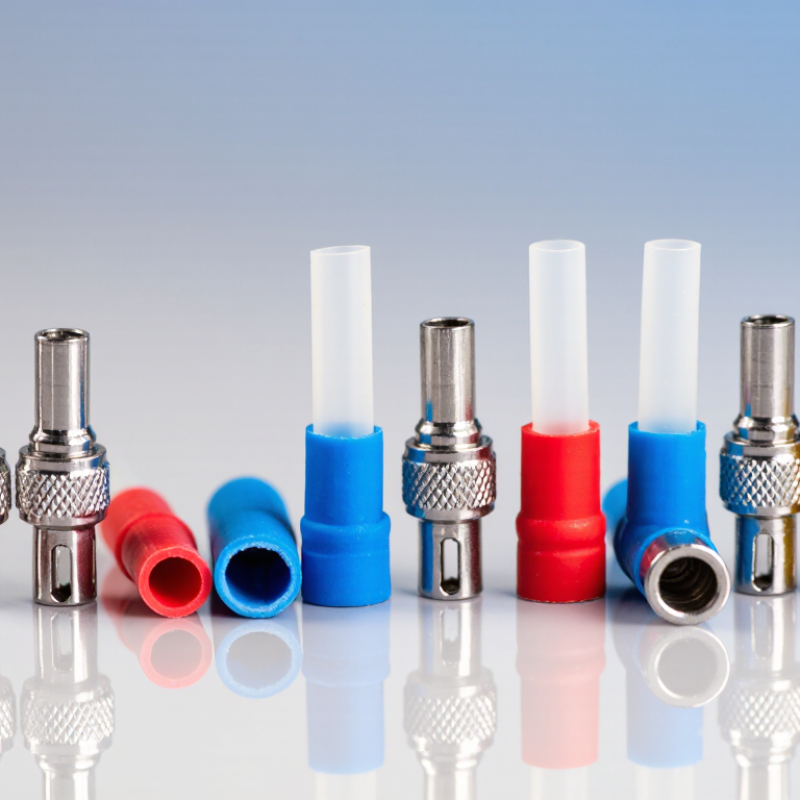
Heat Shrink Wire Terminals: Types, Materials, and Key Features
Heat shrink wire terminals come in several shapes for different connections. Butt connectors join two wire ends inline, while ring terminals secure a wire beneath a screw or stud. Spade terminals allow quicker removal, and quick-disconnect types pair with matching tabs. Choose the shape to suit the connection, not simply the wire gauge. Fit matters.
Conductors are commonly copper or tinned copper. Tinning can help limit surface oxidation, but it does not replace proper storage or installation. The insulating sleeve is often polyolefin, with adhesive lining in many sealed designs.
When heated, the tubing contracts and the adhesive softens around the wire insulation. A visible adhesive bead can indicate flow, though it does not prove the joint is waterproof.
Key features include wire-size range, stud size, insulation color, shrink ratio, and rated temperature. Color codes can help with selection, but conventions vary; verify the printed specifications.
Use a compatible crimp tool and the specified die. A loose crimp can overheat, while excessive force may damage strands. Apply heat evenly, keeping the source moving, and inspect the finished joint for full tubing recovery and exposed conductor.
Heat shrink adds insulation and some moisture resistance, but it is not a substitute for mechanical support in a vibrating assembly. One detail is easy to overlook: a neat-looking seal can still hide a poor crimp.
How to Assess Terminal Quality, Compatibility, and Performance
For global buyers, a heat shrink terminal should be judged by fit and evidence, not appearance alone. Check its stated wire-gauge range against the actual conductor, including stranded-wire construction. A terminal that looks close may still crimp loosely. Confirm the shrink ratio, operating temperature, and insulation material suit the equipment and installation environment. For outdoor or humid use, review the supplier’s stated moisture-protection conditions; “sealed” can mean different things.
Tips: Crimp a sample using the intended tool. Inspect the barrel for even compression, then apply a steady pull. Check that the tubing shrinks evenly without exposing the crimp. Record the wire size, tool setting, and result.
Compatibility is only part of the assessment. Compare metal type and plating with the application, especially where heat, vibration, or corrosion may matter. Ask for a current datasheet and traceable test information, such as pull-force results or temperature ratings. Sample testing helps reveal problems that a product photo cannot. It is not a perfect guarantee, though; real installations vary. Keep a few samples from each incoming lot, and recheck them when specifications or suppliers change. Small differences in wire strands or crimp height can affect performance more than expected.
10 Best Heat Shrink Wire Terminals for Global Buyers
For global buyers, the best heat shrink wire terminal depends on the wire, connection, and working environment. A useful shortlist includes butt splices, ring terminals, fork terminals, female spade connectors, male spade connectors, bullet connectors, parallel splices, step-down splices, sealed end caps, and adhesive-lined inline connectors. Each serves a different job. A ring terminal suits a fixed stud connection, while a fork terminal is easier to remove during maintenance.
Check wire-gauge range and stud size before comparing prices. A terminal that looks close may still crimp poorly. Heat the sleeve evenly until it shrinks and adhesive appears at the ends, without scorching the insulation. Small details matter. Use a calibrated crimping tool when possible, and inspect sample crimps before approving a bulk order. I would not rely on color alone; color codes can vary between product ranges.
Buyers sourcing across regions should request material, temperature, and test documentation for the specific product, rather than assuming every heat shrink terminal performs alike. Confirm packaging and labeling are clear for the receiving team. Ask for samples. It sounds obvious, but it is often skipped. One limitation deserves attention: adhesive sealing can reduce moisture entry, but it cannot correct a poor crimp, damaged wire, or unsuitable connector choice. Temperature, vibration, and exposure should guide selection.
Comparing Terminals by Seal Strength, Conductivity, and Durability
Heat-shrink wire terminals vary most in how well their sleeves seal after crimping. Adhesive-lined tubing can close around the insulation and barrel, limiting moisture entry at the joint. Check that the tubing shrinks evenly without scorching or leaving gaps. A tight-looking seal is not proof of waterproof performance. Look for documented sealing conditions and test data.
Conductivity depends heavily on the metal barrel and the crimp. Copper barrels generally conduct well, while tin plating can help resist surface corrosion. Match the terminal to the wire gauge and use the specified crimping profile. An oversized barrel may loosen under vibration; an undersized one can damage strands. A millivolt-drop check under load can reveal resistance that a visual inspection misses. Small detail, big difference.
Durability also depends on temperature range, abrasion, vibration, and exposure to oils or cleaning fluids. Compare these ratings with the actual installation environment, not just the sleeve’s appearance. In a damp equipment bay, for example, a terminal may face repeated heat cycles and cable movement. Add strain relief where needed; adhesive does not replace it. I would hesitate to rank one terminal type as best without knowing the wire, crimp tool, and service conditions. Even a careful comparison leaves some uncertainty until the assembly is tested.



