
Top 10 Benefits of Using Silicon Steel Alloy in Industry?

Silicon Steel Alloy has emerged as a vital material in various industries. Its unique properties make it an ideal choice for applications in electric motors, transformers, and other electrical devices. The alloy's excellent magnetic characteristics significantly enhance energy efficiency. Furthermore, its durability ensures longevity, reducing the need for frequent replacements.

In addition to energy efficiency, Silicon Steel Alloy offers excellent resistance to corrosion. This feature is crucial for applications that operate in harsh environments. Industries can benefit from reduced maintenance costs and improved reliability. Moreover, the lightweight nature of this alloy aids in design flexibility.

However, some challenges exist. The production process can be costly and complex. It requires skillful handling to maintain the desired properties. As industries adopt Silicon Steel Alloy more widely, these production issues must be addressed. Balancing cost with performance is an ongoing concern for manufacturers.
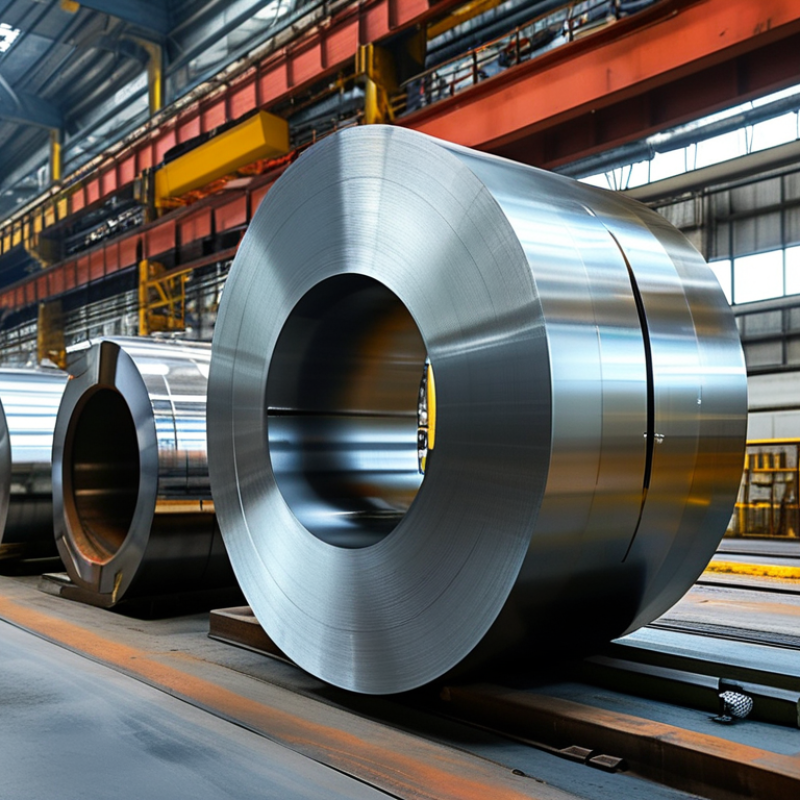
Top 10 Benefits of Using Silicon Steel Alloy in Industry?

Key Properties of Silicon Steel Alloy in Industrial Applications

Silicon steel alloy is an essential material in various industrial applications. Its magnetic properties make it valuable for electrical devices. A significant advantage is its high electrical resistivity. This property helps to reduce energy losses in transformers and motors. The alloy's ability to withstand high temperatures also contributes to its effectiveness. In environments where machines need to operate under stress, silicon steel shows considerable strength.

Another critical property is its improved mechanical rigidity. The addition of silicon enhances structural properties without compromising workability. This benefit enables manufacturers to create components that are both lightweight and durable. Additionally, silicon steel exhibits excellent corrosion resistance. This ensures longer service life in industrial applications, where exposure to harsh conditions is common.

Despite its advantages, the use of silicon steel alloy comes with challenges. The manufacturing process can be complex, requiring specific expertise. Variations in silicon content can affect the final product's performance. Manufacturers must carefully consider these factors to achieve optimal results. Continuous advancements in technology promise improvements in this field, yet there is always room for innovation and refinement.

Enhanced Magnetic Properties for Improved Efficiency

Silicon steel alloy is a remarkable material used in various industries. Its enhanced magnetic properties lead to improved efficiency in electrical applications. This alloy contains silicon, which reduces energy losses in transformers and electric motors. The result is a more efficient operation, contributing to lower energy costs.

The magnetic properties of silicon steel allow for better performance in high-frequency applications. Its ability to withstand changes in magnetic fields makes it ideal for transformers. The alloy also exhibits low hysteresis loss, which reduces heating during operation. This benefits industries that rely on precise energy management.

While silicon steel offers many advantages, there can be challenges. Manufacturing processes need to maintain specific silicon content for optimal performance. Not all applications may harness the full potential of this alloy. Careful assessment is needed to ensure that silicon steel meets the requirements of each project. Understanding these nuances can lead to better implementation in the industry.

Corrosion Resistance and Longevity in Harsh Environments

Silicon steel alloy is known for its remarkable corrosion resistance. It performs well in challenging environments. This characteristic helps protect equipment and structures from degradation over time. Industries such as power generation and automotive greatly benefit from this property. Machinery exposed to moisture and chemicals experiences less wear. The overall longevity of components made from this alloy can lead to reduced maintenance costs.

In harsh conditions, the corrosion resistance of silicon steel influences production efficiency. While there are limitations in extreme environments, the benefits often outweigh the drawbacks. For example, while it may not resist all chemicals, it offers significant protection against rust. This is crucial for manufacturers relying on consistent performance. The durability of silicon steel enhances the reliability of critical infrastructure.

However, it’s essential to consider that not all silicon steel alloys are equally effective. Variations in composition can lead to differences in performance. Understanding these nuances can aid in selecting the right alloy for specific applications. Continuous research will help optimize these materials, bridging the gap between theoretical benefits and real-world performance. In industries demanding resilience, silicon steel showcases potential yet requires thoughtful application.

Cost-Effectiveness of Silicon Steel Alloy in Manufacturing Processes

Silicon steel alloy is increasingly recognized for its cost-effectiveness in manufacturing processes. Its unique properties contribute significantly to improved efficiency and reduced energy consumption. Many industries integrate silicon steel into electrical applications, from transformers to motors. This metal's magnetic characteristics allow for efficient power transmission, which lowers operational costs.

The initial investment in silicon steel may seem high, but long-term savings offset this expense. Reduced energy loss translates to lower utility bills. Additionally, silicon steel offers durability and resistance to wear, which means fewer replacements. Over time, these advantages contribute to a favorable return on investment.

Yet, the transition to silicon steel alloy isn't without challenges. Industries must adapt to technological changes and ensure proper processing techniques. Initial training and system upgrades can be resources-intensive. However, companies willing to make these adjustments often find their operational efficiency greatly improved. Embracing this material ultimately helps streamline costs and enhance production processes.

Top 10 Benefits of Using Silicon Steel Alloy in Industry

Benefit Description Cost-Effectiveness
High Magnetic Permeability Silicon steel alloy offers superior magnetic properties, enhancing efficiency in electrical applications. Reduces energy losses, leading to lower operational costs.
Reduced Core Losses Minimizes energy loss in transformers and motors. Decreases long-term energy expenses.
Improved Thermal Conductivity Enhances heat dissipation in electrical equipment. Extends the lifespan of components, reducing replacement costs.
Enhanced Mechanical Strength Offers better durability and resilience in harsh environments. Decreases maintenance frequency and costs.
Versatile Applications Applicable in motors, generators, and transformers. Saves on inventory costs due to fewer material types needed.
Reduced Weight Lightweight construction allows for easier handling and installation. Lowers shipping and freight costs.
Eco-Friendly Option Recyclable materials lead to less environmental impact. Potential for reduced costs related to waste disposal and recycling.
Cost Savings in Production Streamlined production process due to desirable properties. Increased throughput, leading to lower per-unit costs.
Better Performance in Electrical Applications Optimized for high-performance electrical applications. Improves return on investment through higher efficiency.
Long-Term Reliability Proven performance over extended periods of use. Reduces the need for frequent replacements, translating to cost savings.

Versatility and Applications Across Various Industrial Sectors

Silicon steel alloy stands out for its versatility in various industrial sectors. Widely used in electrical applications, it enhances magnetic properties and reduces energy losses, making it ideal for transformers and electric motors. A report by the International Energy Agency highlights that the efficiency of such equipment can increase by 20% when using silicon steel, promoting sustainability in energy consumption.

In the automotive industry, silicon steel plays a vital role in manufacturing electric vehicle (EV) components. The demand for lightweight, highly efficient materials is increasing. According to a study by Research and Markets, the global silicon steel market is expected to reach $34 billion by 2025. This growth reflects the alloy's importance in supporting the transition to greener technologies.

Consider the multi-faceted applications of silicon steel. In the construction of machinery, its strength allows for durable components that withstand pressure and heat. However, sourcing high-quality silicon steel can be tricky. Not every manufacturer meets the same standards, so do your research before selecting a supplier. Always inquire about certifications. This diligence pays off in the long run. The characteristics of silicon steel can vary, and having reliable materials is crucial for optimal performance.

Blogs