Why Air Circuit Breaker Protection Relays Are Essential for Electrical Safety: Key Industry Insights
In the ever-evolving landscape of electrical safety, the role of the air circuit breaker protection relay has become increasingly critical. Industry expert Dr. Emily Johnson, a leading authority on electrical systems, emphasizes this importance by stating, "The reliability of air circuit breaker protection relays can significantly impact the overall safety and efficiency of electrical networks." With the surge in industrial automation and expanding electrical infrastructures, these protection relays serve as essential components designed to prevent failures and enhance safety measures.

Air circuit breaker protection relays function as the first line of defense against electrical faults, ensuring that systems operate within safe parameters. By quickly detecting anomalies, these relays provide timely circuit interruptions, effectively safeguarding both equipment and personnel. As sectors such as renewable energy and smart grids gain momentum, the relevance of air circuit breaker protection relays will only grow, reinforcing their mission to maintain operational integrity and prevent catastrophic failures.
Understanding the intricacies of air circuit breaker protection relays allows stakeholders to implement more comprehensive safety strategies. As industries adapt to new technologies and environmental standards, investing in robust protection mechanisms will not only enhance performance but also ensure compliance with regulatory requirements. The insights shared by experts like Dr. Johnson are pivotal as we navigate the complexities of modern electrical safety.
The Critical Role of Air Circuit Breakers in Modern Electrical Systems
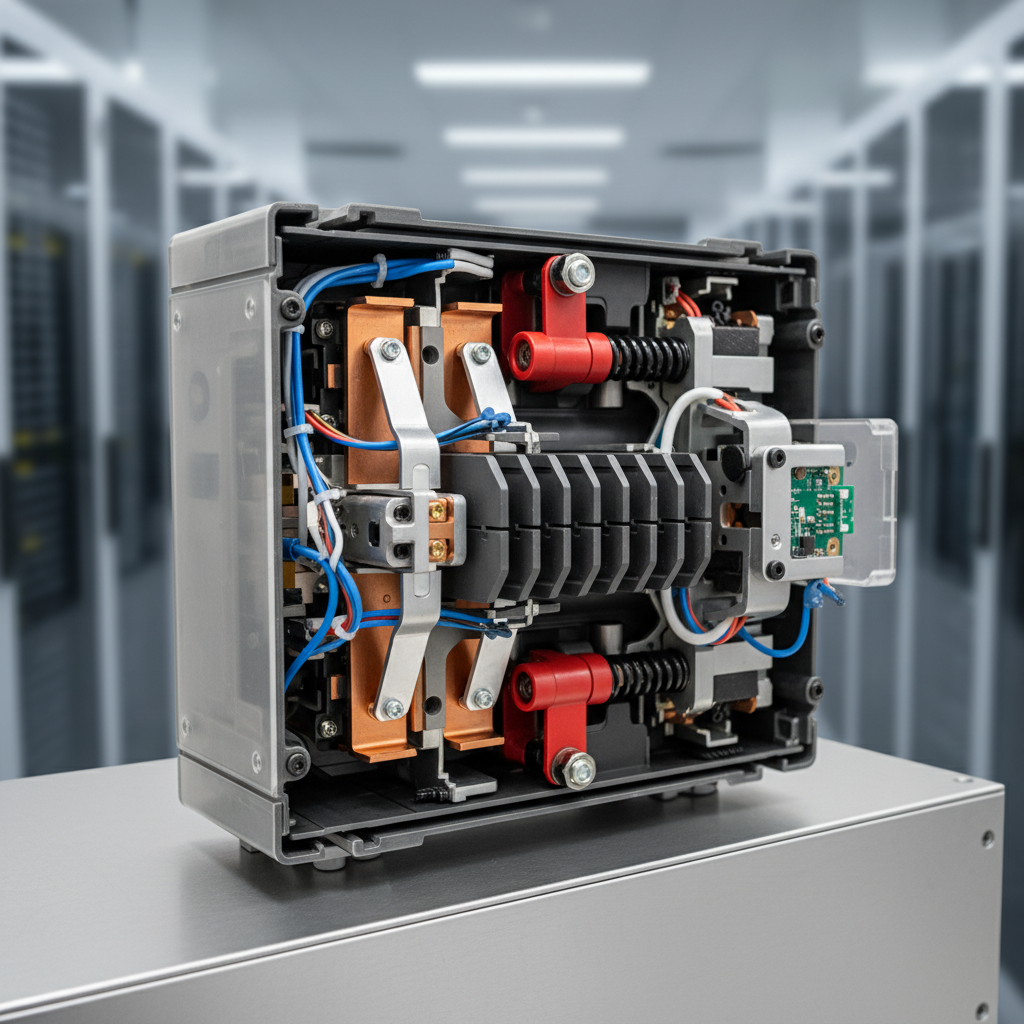
Air circuit breakers (ACBs) play a pivotal role in modern electrical systems by providing reliable protection against overcurrent, short circuits, and other electrical anomalies. Designed to interrupt the flow of electricity automatically, ACBs help maintain safety and operational efficiency in industrial and commercial environments. Their advanced mechanisms ensure that electrical faults are detected quickly, minimizing potential damage to equipment and reducing the risk of fire hazards.
In addition to their protective functions, air circuit breakers facilitate the monitoring and management of electrical loads, optimizing energy usage within a facility. With features such as adjustable trip settings and real-time diagnostic capabilities, ACBs empower operators to make informed decisions regarding system adjustments and maintenance. As industries increasingly rely on automation and digitalization, the importance of integrating robust circuit protection mechanisms cannot be overstated. ACBs not only enhance safety but also contribute to the longevity and performance of electrical installations, underscoring their critical role in the modern electrical landscape.
Understanding the Mechanisms of Protection Relays in Preventing Electrical Failures
Protection relays play a pivotal role in ensuring electrical safety by safeguarding equipment and minimizing the risk of failures. These relays are designed to detect abnormalities in electrical circuits, such as overloads or short circuits. When an anomaly is detected, the relay quickly signals the air circuit breaker to disconnect the power supply, thus preventing potential damage to both personnel and equipment. This rapid response is crucial in mitigating the effects of electrical faults, emphasizing the importance of their role in any electrical system.
The mechanisms behind protection relays incorporate a combination of current and voltage sensing techniques, allowing for precise monitoring of operational parameters. Advanced relays utilize digital technology to analyze real-time data and apply complex algorithms for fault detection. This capability not only enhances the reliability of the protective measures but also facilitates easier integration into automated systems. As industries increasingly rely on complex electrical networks, the significance of protection relays in preventing electrical failures and ensuring operational continuity cannot be overstated.
Industry Statistics on Electrical Faults and the Effectiveness of Air Circuit Breakers
The rising demand for Electric Vehicles (EVs) is significantly enhancing the need for robust electrical infrastructure, including air circuit breakers (ACBs). According to recent industry statistics, electrical faults remain a leading cause of equipment failures, resulting in substantial downtime and repair costs across various sectors. ACBs provide essential protection by interrupting fault currents, thereby preventing potential damages. The effectiveness of ACBs in mitigating electrical faults is underscored by data indicating that systems equipped with reliable circuit breakers experience up to a 25% reduction in failure rates compared to unprotected infrastructures.
Furthermore, the global circuit breaker market is projected to expand notably, with Europe alone expected to witness substantial growth driven by increasing investments in power generation and distribution. Recent forecasts suggest that the European circuit breaker market could reach new heights by 2033, with significant contributions from the automotive and renewable energy sectors. The integration of advanced air circuit breaker protection relays plays a vital role in ensuring electrical safety, accommodating rising energy demands while effectively managing fault currents that could jeopardize system integrity.
Regulatory Standards Driving the Adoption of Circuit Breaker Protection Solutions
The importance of regulatory standards in driving the adoption of Air Circuit Breaker (ACB) protection solutions cannot be overstated. According to a report by the International Electrotechnical Commission (IEC), adherence to industry standards like IEC 60947 is crucial for ensuring the reliability and safety of electrical systems. These standards establish guidelines for the design, performance, and testing of circuit breakers, thus enhancing the operational efficiency and longevity of electrical installations. As the demand for safer electrical infrastructure grows, regulatory bodies are reinforcing these standards, compelling industries to adopt advanced protection relays.
Furthermore, a study by the National Fire Protection Association (NFPA) indicates that over 30% of electrical failures in industrial settings are due to inadequate protection against faults. This statistic highlights the necessity for ACBs equipped with sophisticated protection relays that can detect and respond to faults in real-time. The implementation of these solutions is not only a regulatory requirement but also a proactive measure to minimize risks associated with electrical hazards. Through compliance with updated standards and the integration of effective ACB protection solutions, organizations can significantly enhance their electrical safety frameworks, safeguarding both their assets and personnel.
Why Air Circuit Breaker Protection Relays Are Essential for Electrical Safety: Key Industry Insights
| Aspect |
Details |
| Regulatory Standards |
IEC 60947-2, UL 489, NEC 2020 |
| Main Function |
To protect electrical circuits from overload and short-circuit conditions. |
| Common Applications |
Industrial power distribution, renewable energy systems, commercial buildings. |
| Benefits |
Enhanced safety, reduced downtime, compliance with regulations. |
| Trends |
Increasing automation, integration with smart grid technologies, IoT connectivity. |
| Maintenance Requirements |
Regular testing, annual inspections, calibration of protection settings. |
Future Trends in Air Circuit Breaker Technology and Their Impact on Safety Compliance
The air circuit breaker (ACB) technology continues to evolve, significantly influencing safety compliance in the electrical industry. With the global low voltage DC circuit breaker market projected to grow from $1.55 billion in 2025 to $2.24 billion by 2032, a compound annual growth rate (CAGR) indicating a robust increase, it is clear that advancements in circuit breaker technology are not just enhancing operational efficiency but are also paramount to ensuring electrical safety. This rise is indicative of a broader trend where enhanced monitoring and predictive capabilities are deployed to mitigate risks associated with electrical failures.
Future trends in ACB technology highlight a growing emphasis on smart systems that integrate IoT and AI capabilities. These innovations aim to provide real-time data tracking, predictive maintenance, and improved reliability, which are essential for meeting stringent safety regulations. The Circuit Breaker Based Transfer Switch market, expected to reach USD 2.7 billion by 2035, with a CAGR of 6.8%, demonstrates the industry's pivot towards smarter, more responsive solutions that enhance user safety. Such developments not only comply with evolving safety standards but also reinforce the infrastructure necessary for reliable electrical systems in commercial and residential applications.
Air Circuit Breaker Technology Trends and Safety Compliance Metrics