2025 Top Switch Disconnector Trends and Key Features You Need to Know
The landscape of electrical infrastructure is continually evolving, and one of the pivotal components driving this change is the switch disconnector. As we approach 2025, various trends are shaping the design, functionality, and application of these essential devices. With an increasing focus on safety, efficiency, and sustainability, understanding the key features of modern switch disconnectors is crucial for industry professionals and stakeholders alike.
In this article, we will delve into the latest advancements in switch disconnector technology, exploring aspects such as enhanced performance capabilities, integration with smart grids, and the growing importance of environmental compliance. As the demand for reliable energy management systems rises, the switch disconnector's role becomes ever more significant. By forecasting the trends that will define this market over the next few years, we aim to provide valuable insights that empower decision-makers to adapt and thrive in a rapidly changing environment. Whether you are an engineer, a facility manager, or an industry analyst, keeping abreast of these developments will be vital for ensuring optimal electrical performance and safety in the future.
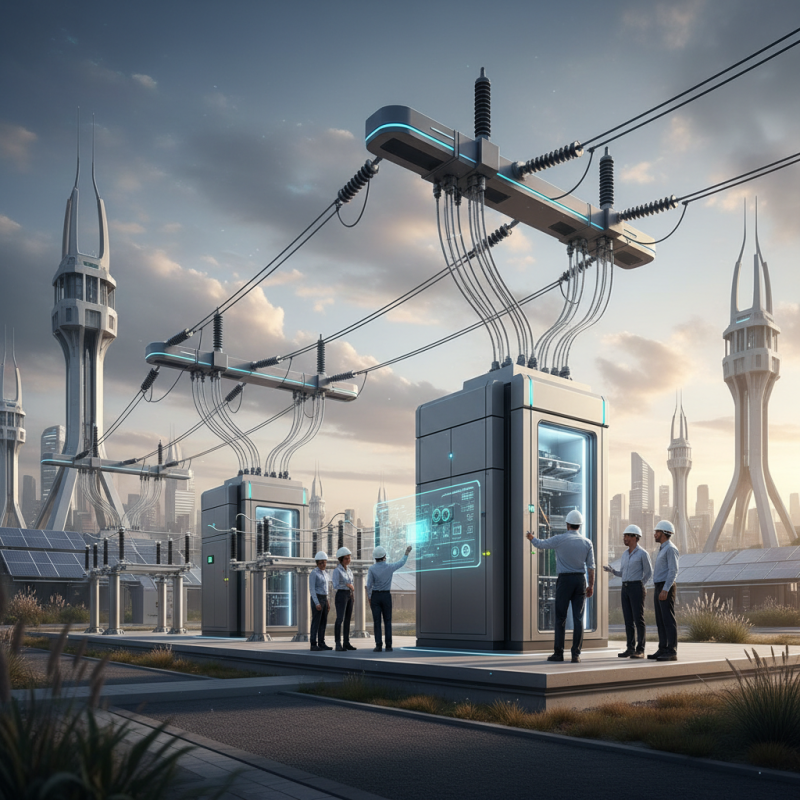
Emerging Technologies in Switch Disconnectors for 2025
The landscape of switch disconnectors is poised for significant transformation by 2025, driven by emerging technologies that enhance safety, efficiency, and sustainability. One prominent trend is the integration of smart technology that allows for real-time monitoring and remote control of disconnector operations. These innovations enable operators to receive instantaneous updates on performance metrics and fault conditions, helping to reduce downtime and enhance system reliability. Additionally, advancements in sensor technology allow for improved detection of electrical anomalies, ensuring quicker response times to potential hazards.
Another key feature on the horizon is the implementation of eco-friendly materials and energy-efficient designs. As industries strive to meet stricter environmental regulations, manufacturers are exploring alternatives that reduce the carbon footprint of switch disconnectors. This includes the use of innovative insulation materials that offer better performance with lower environmental impact. Furthermore, the growing emphasis on modular designs facilitates easier upgrades and maintenance, leading to improved lifecycle management and reduced waste. These emerging technologies not only align with industry goals for sustainability but also enhance the overall functionality and adaptability of switch disconnectors in various applications.
2025 Top Switch Disconnector Trends and Key Features You Need to Know
| Trend |
Key Feature |
Benefits |
Adoption Rate (%) |
| Smart Disconnectors |
IoT Integration |
Remote monitoring and control |
65% |
| Eco-Friendly Models |
Sustainable Materials |
Reduced environmental impact |
50% |
| Enhanced Safety Features |
Arc-Fault Protection |
Minimized risk of electrical fires |
70% |
| Modular Designs |
Interchangeable Components |
Customization and scalability |
45% |
| Wireless Communication |
Bluetooth and Zigbee |
Easy access and connectivity |
55% |
Key Features Driving the Evolution of Switch Disconnectors
The evolution of switch disconnectors is characterized by several key features that are shaping their development for the future. One of the most significant trends is the integration of smart technology, which enhances monitoring and control capabilities. These advanced disconnectors are now equipped with sensors that allow for real-time data collection on electrical flow, improving operational efficiency and safety. Such innovations ensure that users can receive alerts for maintenance needs and detect potential faults before they escalate, increasing system reliability.
Another vital feature driving the evolution of switch disconnectors is their improved energy efficiency. With a rising focus on sustainability and reducing carbon footprints, manufacturers are designing disconnectors that minimize energy losses during operation. Enhanced insulation materials and advanced engineering techniques contribute to reduced heat generation and higher performance. This efficiency not only supports environmental goals but also translates into cost savings for industries relying on these critical components for managing power distribution.
Market Trends Influencing Switch Disconnector Design and Functionality
The switch disconnector market is evolving rapidly, driven by various market trends that influence both design and functionality. Key considerations include the demand for enhanced safety features, energy efficiency, and compact designs. As industries seek to minimize downtime and improve operational resilience, manufacturers are focusing on producing disconnectors that offer clear visual indicators for operation status, antimicrobial coatings for enhanced hygiene, and smart connectivity options that improve monitoring and control.
In addition to safety and efficiency, the push for sustainability is making a significant impact. Eco-friendly materials and processes are becoming essential in the production of switch disconnectors. This shift reflects a broader movement towards reducing environmental impact across all sectors. Companies are responding to regulatory pressures and consumer expectations by integrating recyclable components and energy-efficient technologies, influencing how disconnectors are designed and marketed.
**Tip:** When selecting a switch disconnector, consider its compatibility with smart grid technologies. This will not only enhance your operational capabilities but also ensure long-term relevance in a rapidly changing energy landscape. Engaging with manufacturers that prioritize innovative technologies can also help keep your systems up-to-date with the latest advancements.
Innovations in Safety Standards for Switch Disconnectors
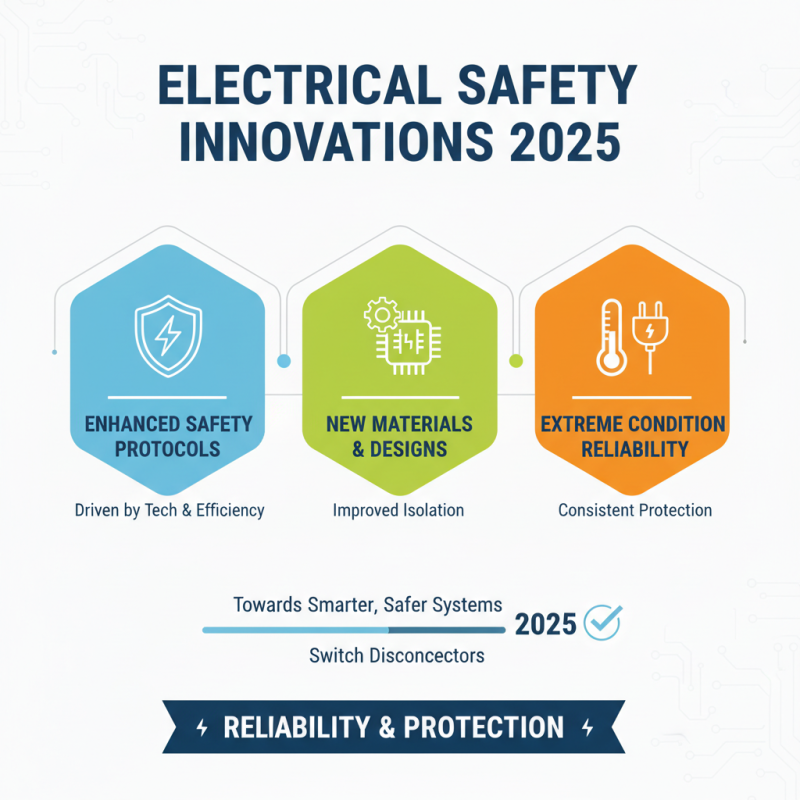
The innovations in safety standards for switch disconnectors are rapidly transforming the landscape of electrical systems, ensuring both reliability and protection in various applications. As we move towards 2025, the emphasis on enhanced safety protocols is evident, driven largely by advancements in technology and the increasing demand for more efficient energy management solutions. New materials and design techniques are being introduced to improve isolation capabilities, ensuring that disconnectors can operate under extreme conditions while maintaining safety.
Moreover, the integration of smart technologies into switch disconnectors is reshaping safety standards. With the advent of monitoring and diagnostic systems, operators can receive real-time data on the performance of their disconnectors, allowing for proactive maintenance and reducing the risk of failures. These smart disconnectors not only meet current safety regulations but often exceed them, providing an additional layer of assurance for users. The focus on safety is not merely about compliance; it embodies a commitment to improving the resilience and efficiency of electrical infrastructure in various sectors.
Sustainability Considerations in the Development of Switch Disconnectors
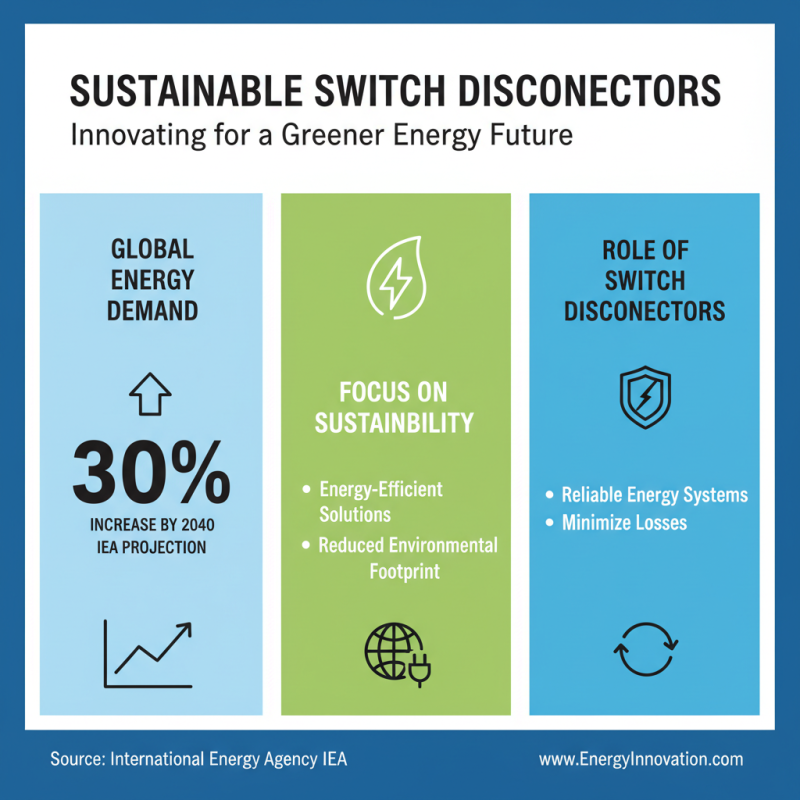
As the demand for energy-efficient solutions rises, the focus on sustainability in the development of switch disconnectors has become paramount. According to a report published by the International Energy Agency (IEA), global energy demand is projected to increase by 30% by 2040, necessitating innovations in electrical distribution equipment. In this context, switch disconnectors are playing a crucial role in ensuring that energy systems remain reliable while minimizing their environmental footprint.
Key sustainability considerations include the use of eco-friendly materials and the incorporation of advanced technologies to improve energy efficiency. Recent studies indicate that replacing traditional materials with recyclable options can reduce production waste by up to 25%. Additionally, the integration of smart technologies in switch disconnectors allows for real-time monitoring and diagnostics, which can enhance operational efficiency and reduce energy losses by approximately 20%. This shift not only addresses regulatory pressures for greener technologies but also meets consumer expectations for sustainable products in the electrical infrastructure market.
Furthermore, as industries worldwide commit to carbon neutrality, the development of more efficient switch disconnectors is essential. As reported by the Global Energy Storage Association, enhancing the efficiency of electrical components, including switch disconnectors, can contribute significantly to overall system performance and sustainability goals. Embracing these trends and features ensures that the industry evolves in alignment with both environmental imperatives and future energy demands.